8 Best Ornamental Grasses for Texture
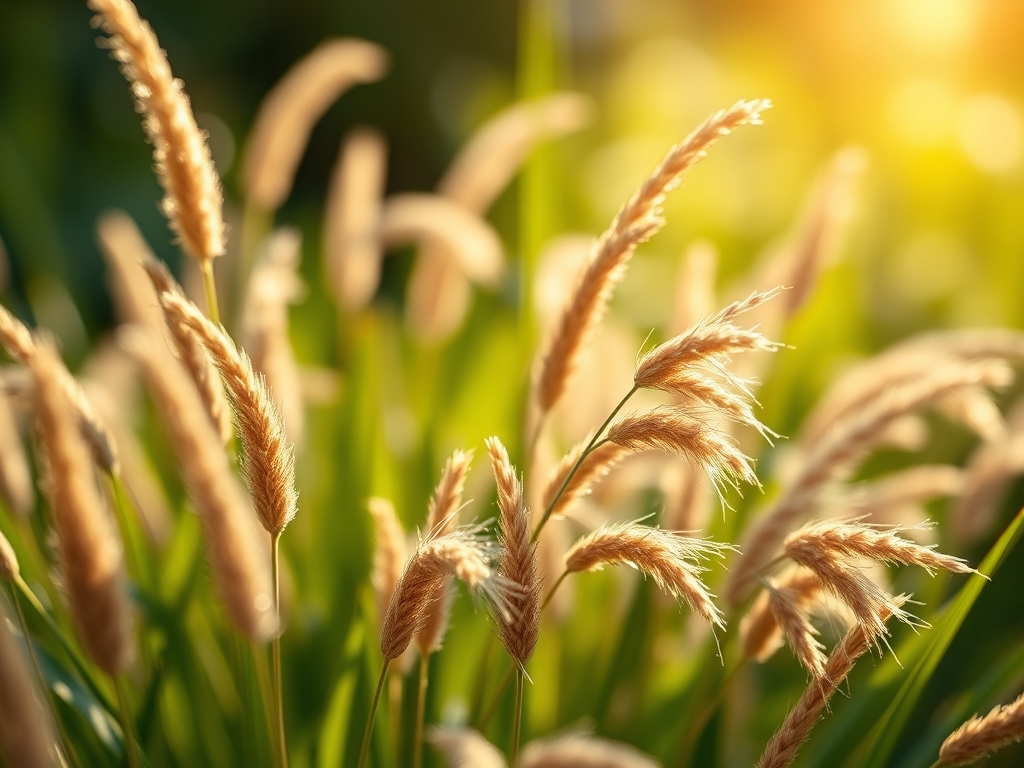
Damp earth carries the sharp, metallic scent of geosmin as the spade cuts through the topsoil. A healthy blade of grass maintains high turgor pressure; it feels rigid and cool to the touch because the vascular system is fully hydrated. Selecting the best ornamental grasses for texture requires more than an aesthetic eye. It demands an understanding of leaf morphology and the mechanical strength of the cell walls. Texture in the garden is a physical variable defined by the width of the leaf blade, the presence of trichomes or fine hairs, and the rigidity of the culm. Fine-textured grasses like Festuca ovina provide a soft, cloud-like visual density, while the coarse, serrated edges of Miscanthus sinensis offer a structural contrast that catches low-angle sunlight. These plants do not merely fill space. They function as living sculptures that respond to wind and light through specific physiological adaptations. Achieving the ideal textural balance depends on the soil chemistry and the hydraulic conductivity of the site.
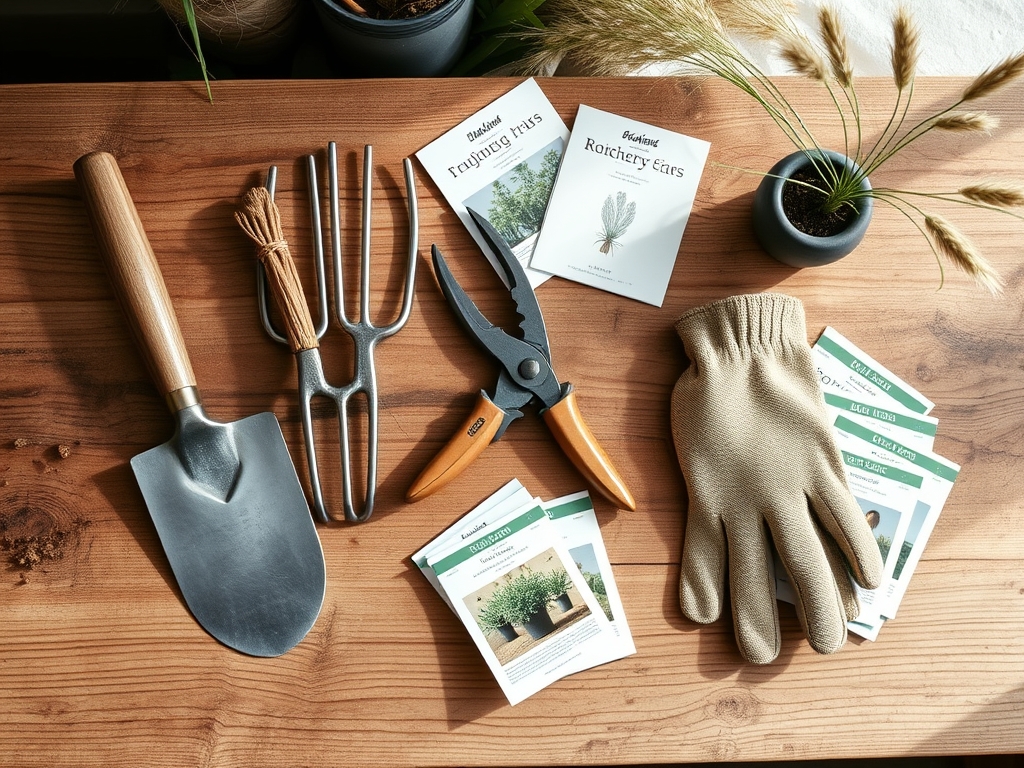
Materials:
The ideal substrate for most ornamental grasses is a **friable loam** with a Cation Exchange Capacity (CEC) between **15 and 25 meq/100g**. This ensures the soil can retain and exchange essential cations like calcium and magnesium. Most ornamental species thrive in a **soil pH of 6.0 to 7.0**, though some Blue Fescue varieties tolerate slightly more alkaline conditions up to 7.5.
For establishment, focus on an NPK ratio of 10-10-10 to support balanced root and shoot development. Once established, shift to a low-nitrogen regimen, such as 5-10-15, to prevent excessive vegetative growth which can lead to "flopping" or weak cell wall structure. High nitrogen levels increase the length of the internodes, compromising the plant's structural integrity. Ensure the planting medium has a high percentage of organic matter to facilitate mycorrhizal colonization, which improves water uptake and nutrient absorption.
Timing:
Most ornamental grasses are categorized as either cool-season or warm-season based on their photosynthetic pathway (C3 or C4). Cool-season grasses like Helictotrichon sempervirens begin active growth when soil temperatures reach 50 degrees Fahrenheit. Warm-season grasses, such as Panicum virgatum, remain dormant until soil temperatures consistently hit 65 to 70 degrees Fahrenheit.
In Hardiness Zones 4 through 9, the primary planting window opens in early spring, approximately two to four weeks after the last killing frost. This allows the root system to establish before the onset of summer heat stress. The "Biological Clock" of these plants is governed by the photoperiod. As day length increases, the plant transitions from the vegetative stage, where it builds biomass, to the reproductive stage, characterized by the emergence of inflorescences. Understanding this transition is vital for pruning; cutting back too late in the spring can decapitate emerging flower spikes.
Phases:

Sowing and Propagation
Most high-texture grasses are best started from divisions or plugs rather than seed to ensure genetic uniformity. If sowing seed, maintain a consistent temperature of 70 degrees Fahrenheit and provide supplemental light for 14 hours per day. Cover seeds lightly with vermiculite to retain moisture without blocking light.
Pro-Tip: Utilize the principle of phototropism by rotating seed trays 180 degrees every 48 hours. This prevents the elongation of cells on the shaded side of the stem, ensuring a stout, upright habit from the start.
Transplanting
Dig a hole twice as wide as the root ball but no deeper. The crown of the plant must sit exactly at the soil line. Deep planting leads to crown rot; shallow planting exposes the rhizosphere to rapid desiccation. Backfill with native soil to maintain consistent hydraulic conductivity between the root ball and the surrounding earth.
Pro-Tip: Inoculate the planting hole with endomycorrhizal fungi. This symbiotic relationship extends the root's reach, allowing the plant to access phosphorus and micronutrients that are otherwise chemically bound in the soil matrix.
Establishing
During the first growing season, the plant requires 1 inch of water per week. Monitor the soil with a digital moisture meter at a depth of four inches. Mulch with two inches of wood chips to regulate soil temperature and suppress competitive weed growth.
Pro-Tip: Avoid high-phosphorus "starter" fertilizers if the soil test shows adequate levels. Excessive phosphorus can inhibit the formation of mycorrhizal networks, forcing the plant to rely solely on its own limited root architecture.
The Clinic:
Physiological disorders in grasses often stem from improper site selection or moisture levels.
- Symptom: Yellowing of older leaves (Nitrogen Chlorosis).
Solution: Apply a slow-release nitrogen fertilizer at a rate of 0.5 lbs per 1,000 square feet. - Symptom: Lodging or falling over.
Solution: Reduce water and nitrogen. This is often caused by "soft" growth. Ensure the plant receives at least six hours of direct solar radiation. - Symptom: Center of the clump dying out (Senescence).
Solution: Dig up the plant in early spring and divide it using a hori-hori knife. Replant the vigorous outer sections and discard the woody center. - Symptom: Rust spots on foliage.
Solution: Improve air circulation by increasing spacing and avoid overhead irrigation. Keep foliage dry to prevent fungal spore germination.
Maintenance:
Precision maintenance ensures the grass retains its textural definition. Use a hori-hori knife to remove deep-rooted weeds within the drip line. In late winter or very early spring, before new growth begins, use bypass pruners to cut back warm-season grasses to 3 to 5 inches above the ground. For cool-season grasses, only remove the dead tips and old flower stalks to avoid stressing the plant during its active growth phase.
Irrigation should be targeted. Deliver 1.5 inches of water per week at the drip line using a soaker hose. Avoid the crown to prevent fungal pathogens. During periods of extreme heat, monitor for leaf rolling, a defensive mechanism used to reduce surface area and limit transpiration. If the soil feels dry at a depth of 3 inches, provide a deep, slow soak.
The Yield:
While ornamental grasses are not typically edible, the "yield" consists of the dried inflorescences used in floral design. Harvest these when the pollen is first visible but before the seeds begin to shatter. Cut the stems at the base using sharp snips. To preserve the "day-one" texture and color, hang the bundles upside down in a dark, well-ventilated room with a humidity level below 40 percent. This prevents the stalks from bending and stops the development of mold within the dense seed heads.
FAQ:
When is the best time to divide ornamental grasses?
Divide cool-season grasses in early spring or late summer. Divide warm-season grasses in spring just as new growth appears. This timing ensures the rhizome has sufficient energy to recover before temperature extremes occur.
Why is my ornamental grass turning brown in summer?
Cool-season grasses often enter a semi-dormant state during high heat to conserve moisture. This is a survival mechanism. Ensure the soil remains moist at a depth of 4 inches to prevent total desiccation of the crown.
How do I stop my grass from flopping over?
Ensure the plant receives full sun and avoid over-fertilizing with nitrogen. High nitrogen levels cause rapid, weak cell elongation. Cutting back on water once established also encourages a more rigid, upright culm structure.
Can I grow ornamental grasses in heavy clay?
Yes, provided you incorporate organic matter to improve drainage. Species like Panicum virgatum have deep root systems that can penetrate heavy soils. Ensure the planting site does not have standing water, which causes anaerobic conditions and root rot.