9 Authentic Ways How to Design a Mediterranean Garden
The scent of crushed rosemary oil and the gritty texture of decomposed granite define the sensory foundation of a dry-climate landscape. To master how to design a mediterranean garden, one must prioritize plant turgor pressure over aesthetic fluff. Success depends on managing the transition from cool, wet winters to arid, high-UV summers. This requires a shift in perspective from traditional irrigation-heavy gardening to a system built on drainage, mineral-rich substrates, and strategic windbreaks. You are not merely planting a garden; you are engineering a microclimate that mimics the limestone cliffs and scrublands of the Mediterranean Basin. Every placement must account for the high evapotranspiration rates of the region. By focusing on the physiological needs of sclerophyllous plants, you ensure longevity and resilience against heat stress.
Materials:
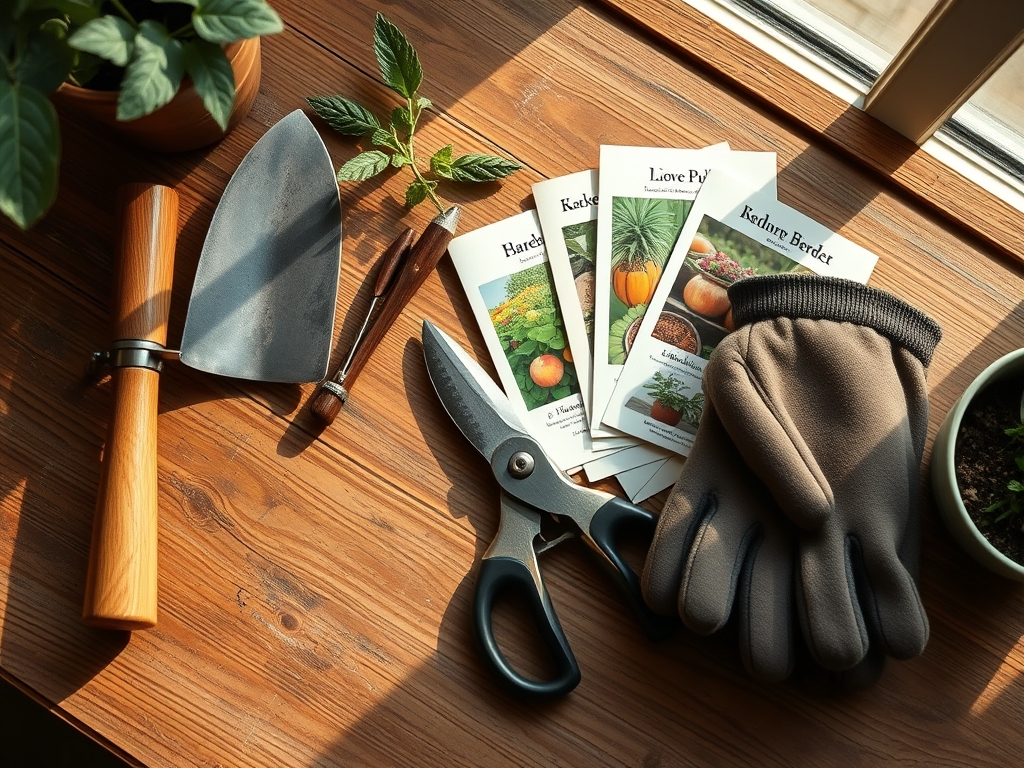
The ideal substrate for a Mediterranean garden is a friable loam with a high percentage of inorganic matter. Aim for a soil pH between 6.5 and 8.0, as many Mediterranean species are calciphiles. The Cation Exchange Capacity (CEC) should be moderate to low to prevent excessive nutrient salt buildup.
- Substrate Composition: Mix 50% native soil with 25% horticultural grit or crushed lava rock and 25% well-aged compost.
- Nitrogen (N): Use a low-nitrogen approach. An NPK ratio of 4-8-12 is preferred to encourage root development and woody growth rather than lush, weak foliage.
- Phosphorus (P): Essential for ATP production and root establishment. Maintain at 20-30 ppm.
- Potassium (K): Critical for regulating stomatal conductance and water retention. Target 150-200 ppm.
- Mulch: Avoid wood chips which retain too much moisture at the crown. Use 1 to 2 inches of pea gravel or river rock to reflect heat and facilitate rapid drainage.
Timing:
Design and planting schedules must align with USDA Hardiness Zones 8 through 11. The most critical window for installation is autumn, specifically when soil temperatures remain between 60 and 70 degrees Fahrenheit while ambient air temperatures begin to drop. This allows the root system to establish during the winter rainy season without the demand of high transpiration.
The "Biological Clock" of Mediterranean flora involves a distinct summer dormancy. In July and August, plants enter a state of reduced metabolic activity to conserve moisture. Attempting to force growth during this period via heavy fertilization or irrigation often leads to root rot or fungal pathogens. Aim for a vegetative growth phase starting in late February, triggered by increasing photoperiods and rising soil temperatures.
Phases:

Sowing and Seed Stratification
Direct sowing is effective for annuals like Papaver rhoeas. These seeds often require a period of "cold stratification" to break dormancy. Sow seeds in late autumn at a depth of double the seed's diameter.
Pro-Tip: Ensure seeds have direct contact with mineral soil. The Biological Why: Many Mediterranean seeds are light-sensitive for germination; burying them too deep prevents the red-light spectrum from reaching the embryo and activating the phytochrome system.
Transplanting into the Rhizosphere
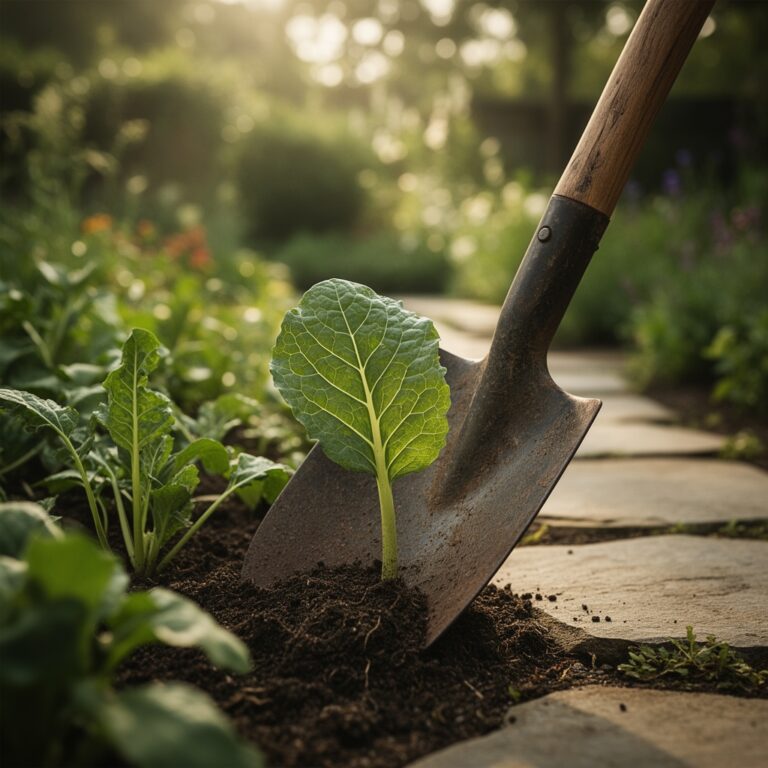
When moving nursery stock, dig a hole twice as wide but no deeper than the root ball. Ensure the crown of the plant sits 0.5 inches above the soil line to prevent crown rot.
Pro-Tip: Inoculate the planting hole with endomycorrhizal fungi. The Biological Why: This symbiotic relationship extends the root surface area, allowing the plant to access phosphorus and water in pore spaces too small for standard root hairs.
Establishing and Hardening Off
During the first 12 months, the goal is to encourage deep taproot penetration. Water deeply but infrequently to force roots to seek moisture at lower soil horizons.
Pro-Tip: Avoid staking unless absolutely necessary. The Biological Why: Allowing the stem to flex in the wind stimulates thigmomorphogenesis, which increases the production of ethylene and strengthens the trunk through secondary xylem growth.
The Clinic:
Physiological disorders in Mediterranean gardens often stem from over-care rather than neglect.
- Symptom: Interveinal chlorosis (yellowing leaves with green veins) on new growth.
- Solution: This indicates Iron (Fe) deficiency, often caused by high pH locking up micronutrients. Apply chelated iron or lower pH using elemental sulfur.
- Symptom: Marginal leaf burn or necrosis.
- Solution: This is typically Salt Toxicity. Flush the soil with 3 inches of water to leach accumulated salts from the root zone.
- Symptom: Soft, drooping stems despite wet soil.
- Solution: Phytophthora root rot. Improve drainage immediately by incorporating grit and reducing irrigation frequency.
- Fix-It for Nitrogen Chlorosis: If older leaves turn pale yellow, apply a liquid seaweed extract or a low-dose organic fertilizer to provide a quick nitrogen boost without triggering a massive flush of succulent growth.
Maintenance:
Precision is mandatory. Established Mediterranean plants require roughly 0.5 to 1.0 inch of water every 14 to 21 days during the peak of summer; however, this should be applied at the drip line, not the trunk. Use a soil moisture meter to verify that the top 4 inches of soil are dry before re-irrigating.
Pruning should be performed with sharp bypass pruners to ensure clean vascular cuts that heal quickly. Remove no more than 25% of the canopy at once to avoid sunscald on interior branches. For weeding in rocky substrates, a hori-hori knife is the superior tool for extracting taproots like those of dandelions without disrupting the surrounding soil structure. In late winter, prune lavender and santolina by one-third to prevent the centers from becoming woody and senescent.
The Yield:
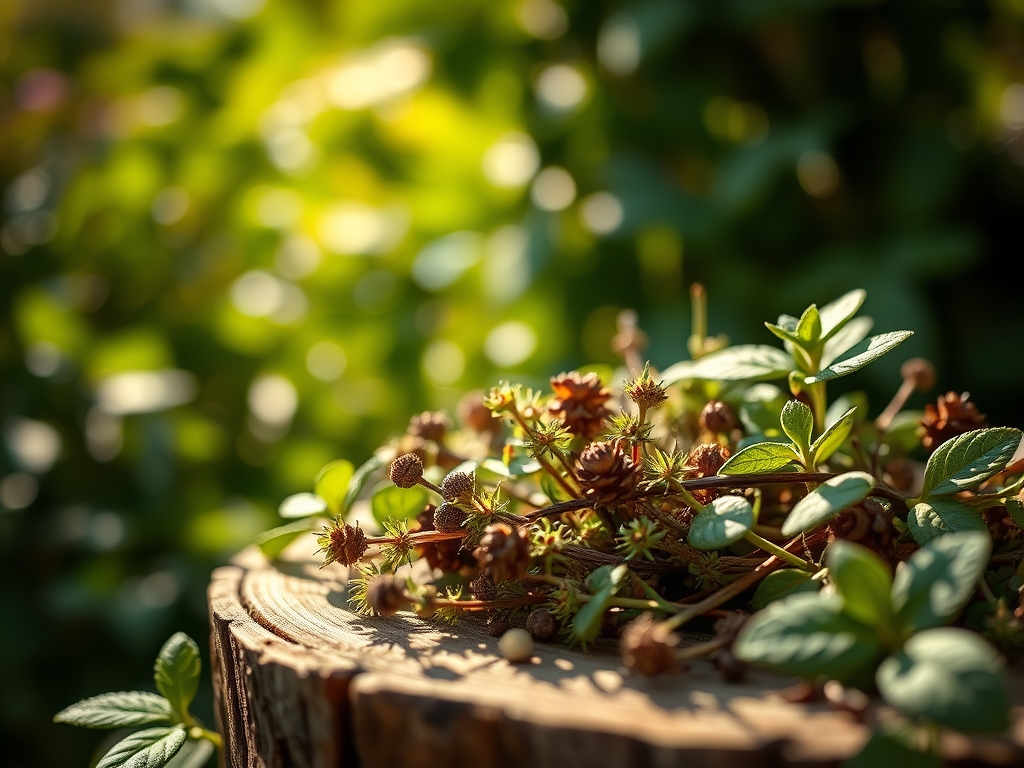
If your Mediterranean design includes lavender, rosemary, or bay laurel, timing the harvest is essential for essential oil concentration. Harvest during the "pre-bloom" stage when flower buds are formed but not yet open. This is when the plant's secondary metabolites are at their peak.
Use a sharp knife to cut stems in the early morning after the dew has evaporated but before the sun hits its zenith. This preserves the volatile oils. For "day-one" freshness, bundle the herbs and hang them upside down in a dark, well-ventilated room with a humidity level below 40%. This prevents mold and ensures the cellular structure of the leaves remains intact during the drying process.
FAQ:
How much sun does a Mediterranean garden need?
Most species require a minimum of 6 to 8 hours of direct solar radiation daily. Insufficient light leads to "etiolation," where plants become leggy and lose their structural integrity due to reduced photosynthetic efficiency and auxin accumulation.
Can I grow a Mediterranean garden in clay soil?
Yes, but you must modify the site. Plant on raised mounds or berms at least 12 inches high. Incorporate 30% expanded shale or coarse grit to improve macropore space, ensuring oxygen reaches the rhizosphere during heavy rains.
What is the best mulch for these plants?
Use inorganic mulch like crushed limestone, pea gravel, or decomposed granite. These materials do not hold moisture against the plant crown, reflect heat to ripen wood, and provide the alkaline mineral runoff many Mediterranean species prefer.
Why are my Mediterranean plants dying in winter?
The primary cause is "wet feet" rather than cold. Saturated soil in winter leads to root asphyxiation. Ensure perfect drainage and avoid supplemental irrigation during the dormant season when the plant's metabolic demands are at their lowest.