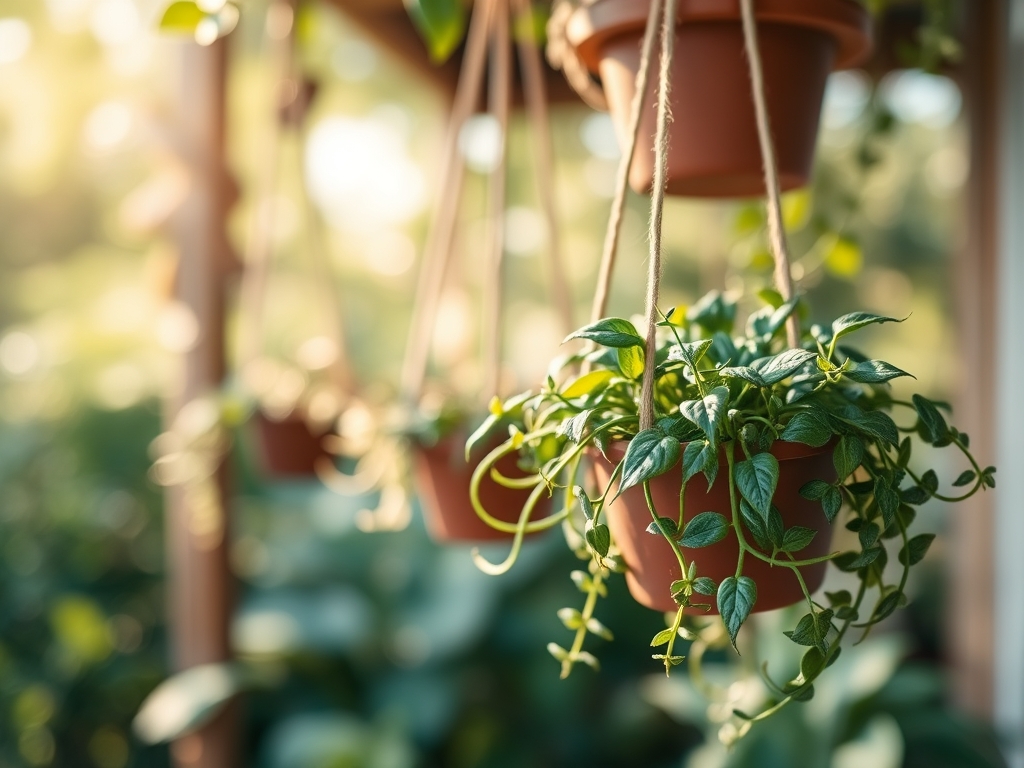
7 Best Hanging plants for Porches
Crushing a handful of damp, anaerobic peat moss between your fingers reveals the structural integrity of a growing medium; it should spring back once released, indicating high pore space. Choosing the best hanging plants for porches requires more than aesthetic preference. It demands an understanding of cellular turgor pressure and the metabolic demands of species suspended in high-evaporation environments. A healthy specimen displays rigid stems and leaves saturated with water, a state maintained by consistent osmotic potential within the vascular system. When selecting for your porch, you are managing a microclimate defined by wind desiccations and limited root volume. Success depends on matching the physiological tolerances of the plant to the specific light intensity and humidity levels of your outdoor structure.
Materials:
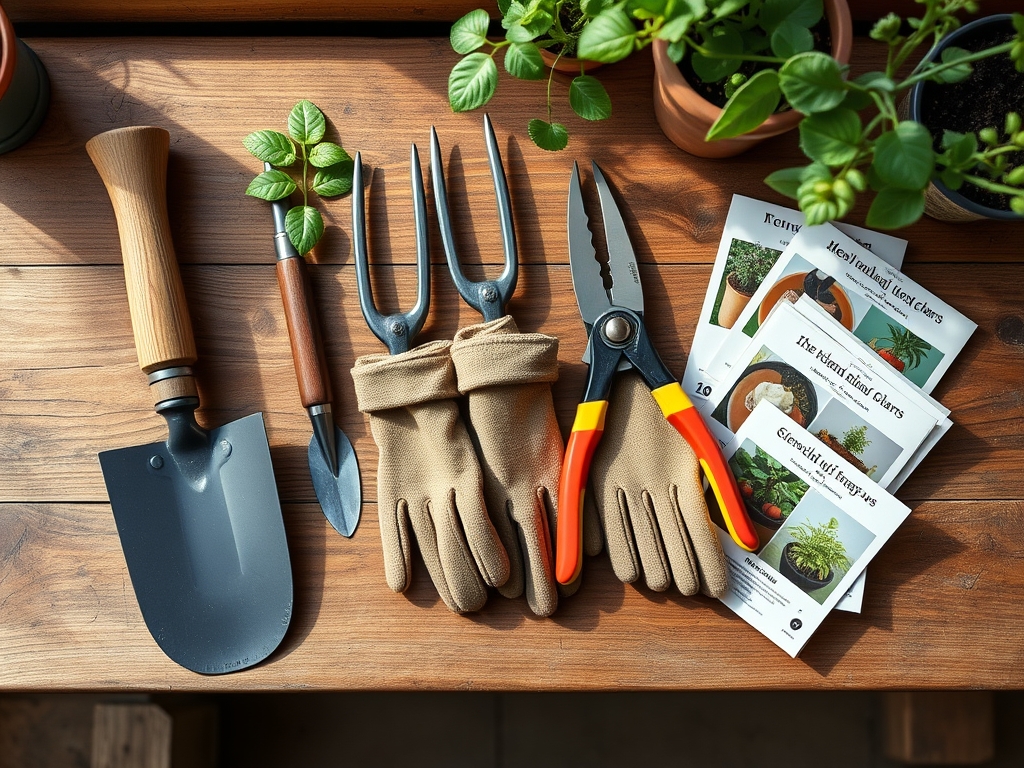
The foundation of a successful hanging display is a friable loam substrate with high Cation Exchange Capacity (CEC). This allows the soil to retain essential nutrients like ammonium and potassium against the leaching forces of frequent watering.
- Soil pH: Aim for a range of 5.8 to 6.5 to ensure maximum bioavailability of micronutrients like iron and manganese.
- NPK Ratios: Use a 10-10-10 balanced granular fertilizer for initial potting. Transition to a 15-30-15 high-phosphorus liquid feed during the peak flowering phase to support reproductive growth.
- Substrate Composition: Mix 40 percent peat moss, 30 percent perlite, and 30 percent pine bark. This ratio ensures a bulk density low enough to prevent structural failure of the hanging hardware while maintaining water-holding capacity.
- Container Specs: Select a 12-inch diameter basket with a minimum depth of 8 inches to accommodate the primary root mass.
Timing:
Hanging plants are highly susceptible to ambient temperature fluctuations due to the lack of ground insulation. For most species, wait until the minimum overnight temperature consistently exceeds 55 degrees Fahrenheit (13 degrees Celsius). In Hardiness Zones 7 through 10, this usually occurs between late March and early May.
The "Biological Clock" of these plants is governed by the photoperiod. As daylight increases toward the summer solstice, the plant shifts from the vegetative stage (leaf and stem production) to the reproductive stage (flowering). In species like Fuchsia or Petunias, this transition is triggered when daylight exceeds 12 hours. If you move plants outdoors too early, a late frost will rupture the cell walls as internal water freezes and expands, leading to immediate tissue necrosis.
Phases:
Sowing and Propagation
Start seeds or cuttings indoors 8 to 10 weeks before the last frost date. For cuttings, use a rooting hormone containing Indole-3-butyric acid (IBA) at a concentration of 1,000 ppm. Place the cuttings in a sterile medium at a constant 72 degrees Fahrenheit.
Pro-Tip: Maintain high humidity to prevent transpiration pull from wilting the cutting before it develops adventitious roots. This is critical because the plant lacks a vascular connection to water until the rhizosphere begins to form.
Transplanting
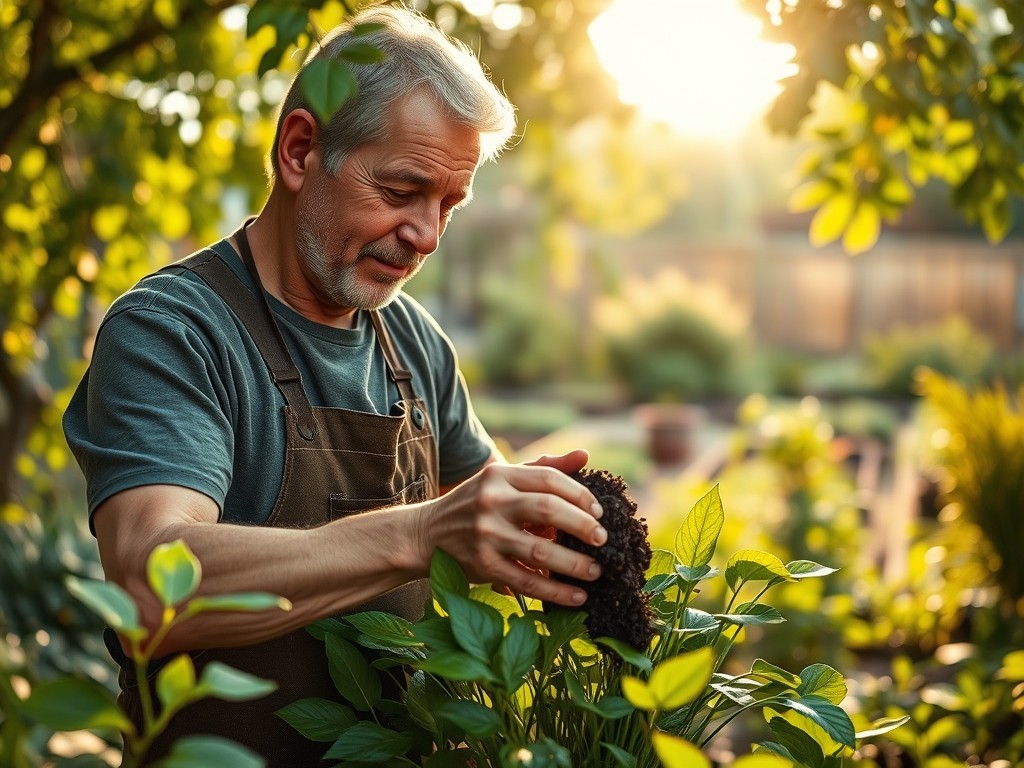
When moving a plant to its final hanging basket, ensure the root ball is saturated. Position the plant so the crown sits 1 inch below the rim of the pot to allow for a "water reservoir" during irrigation. Firm the soil to remove large air pockets that can desiccate fine root hairs.
Pro-Tip: Inoculate the soil with mycorrhizal fungi during transplanting. This symbiotic relationship extends the root system's reach; the fungi scavenge for phosphorus and water in exchange for plant sugars; effectively increasing the plant's drought tolerance.
Establishing
During the first 14 days, keep the plants in a shaded area of the porch to minimize transplant shock. Gradually increase light exposure by 1 hour per day. Monitor the turgor pressure of the leaves; if they droop by midday, the transpiration rate is exceeding the root's uptake capacity.
Pro-Tip: Practice auxin suppression by pinching off the terminal buds of young plants. This removes the source of apical dominance, allowing lateral buds to develop and creating a fuller, more "trailing" habit suitable for hanging displays.
The Clinic:
Physiological disorders in hanging plants often stem from the restricted root zone and rapid drying cycles.
- Symptom: Interveinal chlorosis (yellowing between green veins) on new growth.
- Solution: This indicates an Iron deficiency, often caused by a pH rise above 7.0. Apply a chelated iron drench to lower the pH and restore chlorophyll production.
- Symptom: Marginal leaf burn or "scorching."
- Solution: This is typically Salt Accumulation from synthetic fertilizers. Flush the pot with a volume of water equal to two times the pot volume to leach out excess sodium and potassium salts.
- Symptom: Lower leaves turning uniform yellow and dropping.
- Solution: Nitrogen deficiency. The plant is mobilizing nitrogen from old tissues to support new growth. Apply a high-nitrogen (20-10-10) liquid fertilizer immediately.
- Symptom: Sudden wilting despite wet soil.
- Solution: Pythium Root Rot. Excessive moisture has excluded oxygen from the root zone, allowing fungal pathogens to thrive. Improve drainage and reduce watering frequency.
Maintenance:
Precision is the difference between a surviving plant and a thriving one. Use a soil moisture meter daily; do not rely on visual cues. Most hanging plants require 1.5 inches of water per week, but in temperatures exceeding 90 degrees Fahrenheit, you may need to irrigate twice daily.
Apply water directly to the soil surface at the "drip line" rather than over the foliage to prevent fungal spores from germinating on the leaves. Use a hori-hori knife to occasionally probe the soil and check for compaction. If the soil becomes "hydrophobic" (repelling water), use a wetting agent or submerge the entire basket in a bucket of water for 20 minutes.
For pruning, use bypass pruners to make clean cuts at a 45-degree angle just above a node. This encourages rapid healing and directs new growth outward. Remove spent blooms (deadheading) to prevent the plant from entering senescence, a stage where energy is diverted to seed production instead of flower development.
The Yield:
If your porch selection includes flowering species like Lobelia or Nasturtiums, harvest flowers in the early morning when turgor pressure is at its peak. Cut stems with a sharp blade and immediately submerge them in 110-degree Fahrenheit water. This "hardening" process removes air bubbles from the xylem, ensuring the flowers remain upright and fresh for up to 7 days. For edible varieties, harvest no more than 30 percent of the foliage at once to ensure the plant retains enough photosynthetic surface area to recover.
FAQ:
How often should I water hanging plants on a porch?
Check soil moisture daily. Most baskets require watering when the top 1 inch of soil feels dry. In high heat or wind, this typically results in daily irrigation to maintain cellular turgor and prevent metabolic stress.
What is the best fertilizer for hanging flowers?
Use a water-soluble fertilizer with a 15-30-15 NPK ratio every two weeks. The high phosphorus content supports ATP production and stimulates heavy blooming, while the liquid form ensures immediate availability within the restricted rhizosphere of the container.
Can I use garden soil in my hanging baskets?
No. Garden soil is too dense and lacks sufficient pore space for gas exchange. It often contains pathogens and weed seeds. Always use a professional-grade, peat-based potting mix to ensure proper drainage and a high cation exchange capacity.
Why are my hanging plants turning yellow?
Yellowing, or chlorosis, usually indicates a nitrogen deficiency or a pH imbalance. If lower leaves yellow first, it is a mobile nutrient issue. If new growth is yellow, it is likely an iron or manganese lockout caused by alkaline soil.
How do I stop my hanging baskets from dripping?
Use baskets with built-in reservoirs or attach a "drip tray" to the bottom. Alternatively, water the plants in a sink or bathtub and allow them to reach field capacity and finish draining before re-hanging them on the porch.