7 Balanced Benefits of Specialized Houseplant Soil
The scent of damp forest floor and the snap of a leaf under high turgor pressure define a healthy indoor environment. When a plant achieves maximum cellular hydration, its cell walls push against each other; this creates the structural rigidity required for vertical growth. Achieving this state depends entirely on the rhizosphere. Using a specialized houseplant soil ensures that the delicate root hairs are not suffocated by anaerobic conditions or scorched by improper mineral concentrations. Standard garden soil lacks the porosity needed for container life. It compacts under its own weight, leading to root rot and nutrient lockout. A specialized substrate provides the specific drainage and aeration required to maintain a gas exchange rate of at least 10 percent. This allows oxygen to reach the roots while carbon dioxide escapes. Without this balance, the plant enters a state of physiological stress that no amount of light can fix. The goal is to replicate the native geological and biological conditions of the species within the confines of a ceramic or plastic vessel.
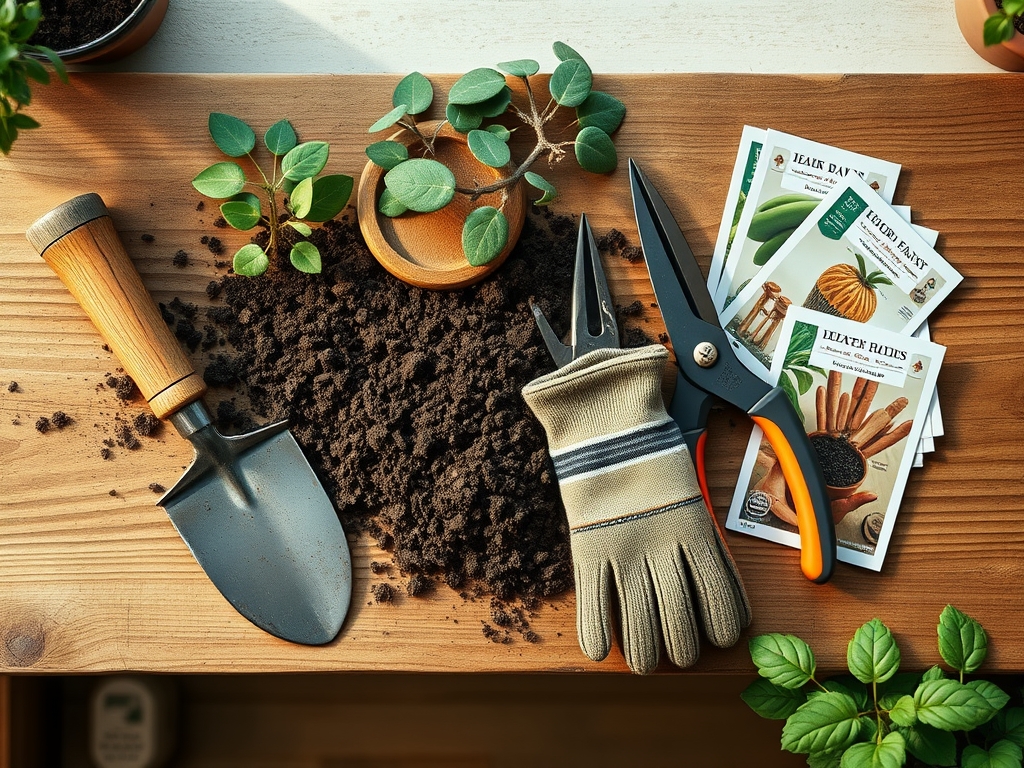
Materials:
The ideal substrate is a friable loam that maintains its structure even when saturated. For most tropical houseplants, the target soil pH is 5.8 to 6.5. This slightly acidic range is the "sweet spot" for nutrient solubility; it ensures that phosphorus and micronutrients like iron remain available to the plant. A high-quality specialized mix often utilizes a base of coco coir or peat moss, supplemented with perlite or pumice for drainage.
Nutrient profiles should be modest to avoid osmotic shock. A balanced NPK ratio of 1-1-1 or 0.5-0.5-0.5 within the soil itself is standard. This provides a baseline of Nitrogen (N) for chlorophyll production, Phosphorus (P) for root development, and Potassium (K) for cellular enzyme activation. The Cation Exchange Capacity (CEC) of the soil should be high, typically achieved through the inclusion of aged pine bark or vermiculite. A high CEC allows the soil to hold onto positively charged ions like Calcium (Ca2+) and Magnesium (Mg2+), preventing them from leaching out during irrigation.
Timing:
While indoor environments are climate-controlled, plants still respond to external cues and the "Biological Clock." Most houseplants follow a photoperiodic rhythm tied to the sun. In Hardiness Zones 3 through 7, the transition from vegetative growth to dormancy occurs as daylight drops below 12 hours. The best window for repotting or refreshing soil is the early spring, specifically two to four weeks before the last frost date in your region. This aligns with the plant's natural surge in auxin production, which stimulates new root growth.
During the vegetative stage, the plant focuses on leaf area index (LAI) expansion. If the plant is a flowering variety, such as an African Violet or Peace Lily, it will transition to the reproductive stage once it has accumulated enough thermal units and specific light triggers. Using a specialized houseplant soil during this transition is critical because the plant's demand for Phosphorus and Potassium increases as it prepares to develop floral primordia.
Phases:
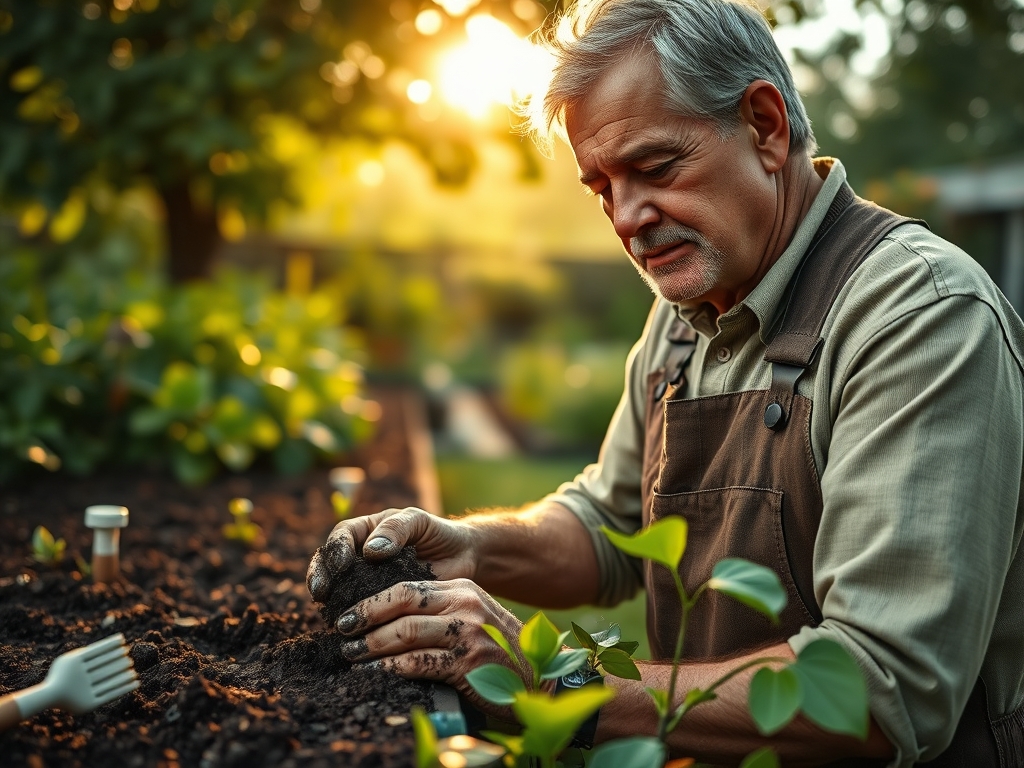
Sowing and Germination
When starting seeds indoors, the substrate must be sterile and fine-textured. Use a mix with zero added fertilizers to prevent burning the emerging radicle. Maintain a constant temperature of 70 to 75 degrees Fahrenheit for most tropical species.
Pro-Tip: Maintain high humidity to prevent the seed coat from hardening. This supports the biological process of imbibition, where the seed absorbs water to activate metabolic enzymes.
Transplanting
When moving a plant to a larger vessel, ensure the new container is only 1 to 2 inches wider in diameter than the previous one. Using a specialized houseplant soil during this phase prevents "perched water tables," where water sits at the bottom of the pot because the soil texture is too fine.
Pro-Tip: Do not tease the roots aggressively. Instead, rely on mycorrhizal symbiosis by dusting the root ball with beneficial fungi. These organisms extend the root system's reach, increasing the surface area for water and nutrient uptake.
Establishing
The first 14 days after repotting are the "establishment phase." Keep the plant in indirect light to reduce transpiration rates while the roots anchor into the new substrate. Monitor the soil moisture daily using a digital moisture meter or the finger test.
Pro-Tip: Avoid heavy fertilization during this window to prevent auxin suppression. High nitrogen levels can signal the plant to prioritize foliage over root repair, leading to a weak foundation.
The Clinic:
Physiological disorders often stem from the rhizosphere. Observe the foliage closely for diagnostic signals.
- Symptom: Interveinal Chlorosis (yellowing between leaf veins while veins stay green).
Solution: This indicates a Magnesium or Iron deficiency. Check the pH. If the pH is above 7.0, the plant cannot uptake these minerals. Flush with acidified water to bring the pH back to 6.0. - Symptom: Leaf Tip Burn (necrosis at the distal ends of leaves).
Solution: This is often caused by "salt crusting" from tap water minerals. Using a specialized houseplant soil with high porosity allows you to flush the pot thoroughly, leaching out excess sodium and fluoride. - Symptom: Epinasty (downward curling of leaves).
Solution: Often a sign of overwatering or poor soil aeration. The roots are suffocating. Repot immediately into a mix with 30 percent perlite to increase macropore space.
Fix-It for Nitrogen Chlorosis: If lower leaves turn a uniform pale yellow, the plant is scavenging nitrogen from old growth to support new growth. Apply a liquid fertilizer with a 3-1-2 NPK ratio at half-strength.
Maintenance:
Precision is the hallmark of a master horticulturist. Most houseplants require the soil to dry out significantly between waterings. Use a soil moisture meter to ensure the root zone has reached a "Level 3" or "Dry" reading before adding water. When you do water, apply enough so that 10 to 15 percent of the volume exits through the drainage holes. This flushes out metabolic wastes.
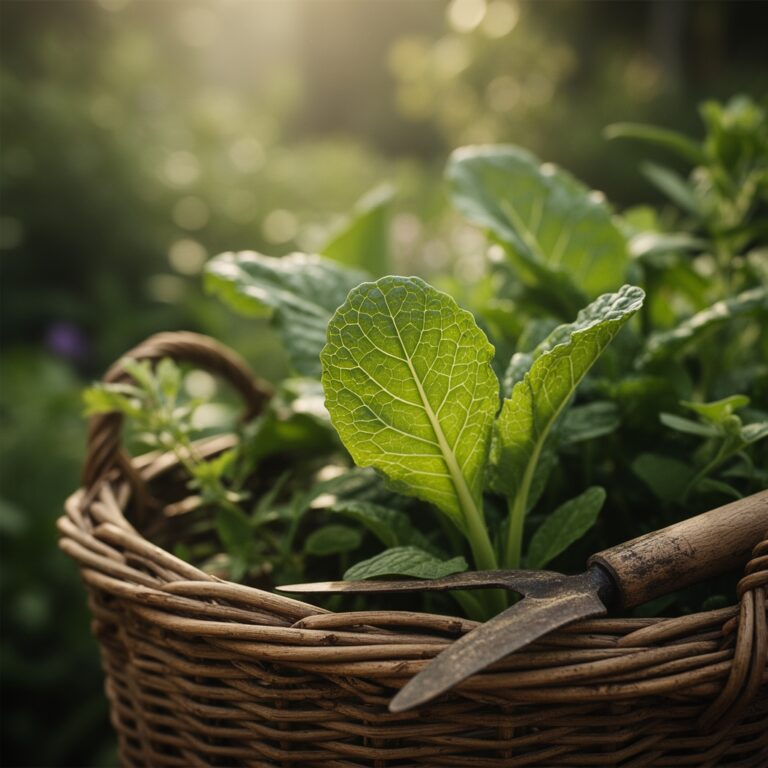
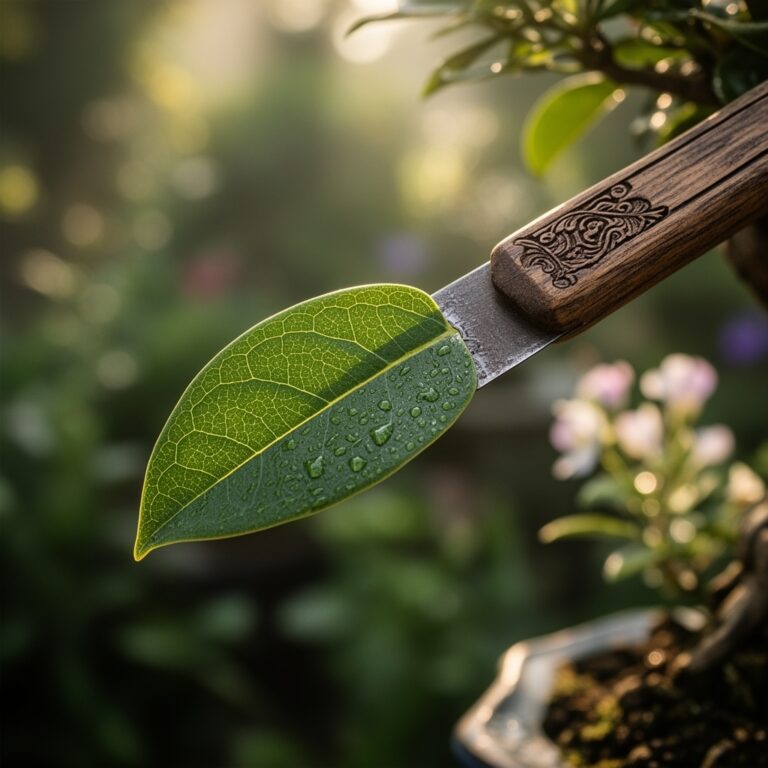
For pruning, use bypass pruners for clean cuts that heal quickly, preventing pathogens from entering the vascular system. If you are dividing a plant, a hori-hori knife is the superior tool for slicing through dense rhizomes or root cakes with minimal crushing of the xylem and phloem tissues.
The Yield:
For those growing indoor herbs or flowering plants, the yield is the reward for soil management. Harvest herbs like basil or mint just before they flower to ensure the highest concentration of essential oils. Cut the stems at a 45-degree angle just above a node to encourage branching.
To maintain "day-one" freshness for cut flowers, place the stems immediately in 100-degree Fahrenheit water with a pinch of citric acid. This "hardening off" process removes air bubbles from the xylem, allowing for maximum water transport to the petals.
FAQ:
How often should I change my houseplant soil?
Replace specialized soil every 12 to 18 months. Over time, organic matter decomposes and loses its structure, leading to compaction. Fresh soil restores the necessary Cation Exchange Capacity and aeration required for root respiration.
Can I reuse old houseplant soil?
It is not recommended. Old soil may harbor pathogens, fungus gnat larvae, or accumulated mineral salts. Reusing soil risks infecting new plants and lacks the NPK baseline and physical porosity of fresh, specialized substrates.
Why is my new soil repelling water?
Peat-based specialized soils can become hydrophobic when completely dry. To fix this, use a "bottom watering" technique. Submerge the pot in a basin of water for 20 minutes until the capillary action rehydrates the organic fibers.
What is the best soil for succulents versus tropicals?
Succulents require a mineral-heavy mix with 50 to 70 percent grit or coarse sand. Tropicals need a "loamy" specialized soil with higher organic content to retain moisture while still providing adequate oxygen to the root zone.