9 Tropical Steps to Prepare an Indoor Palm Plant Shelf
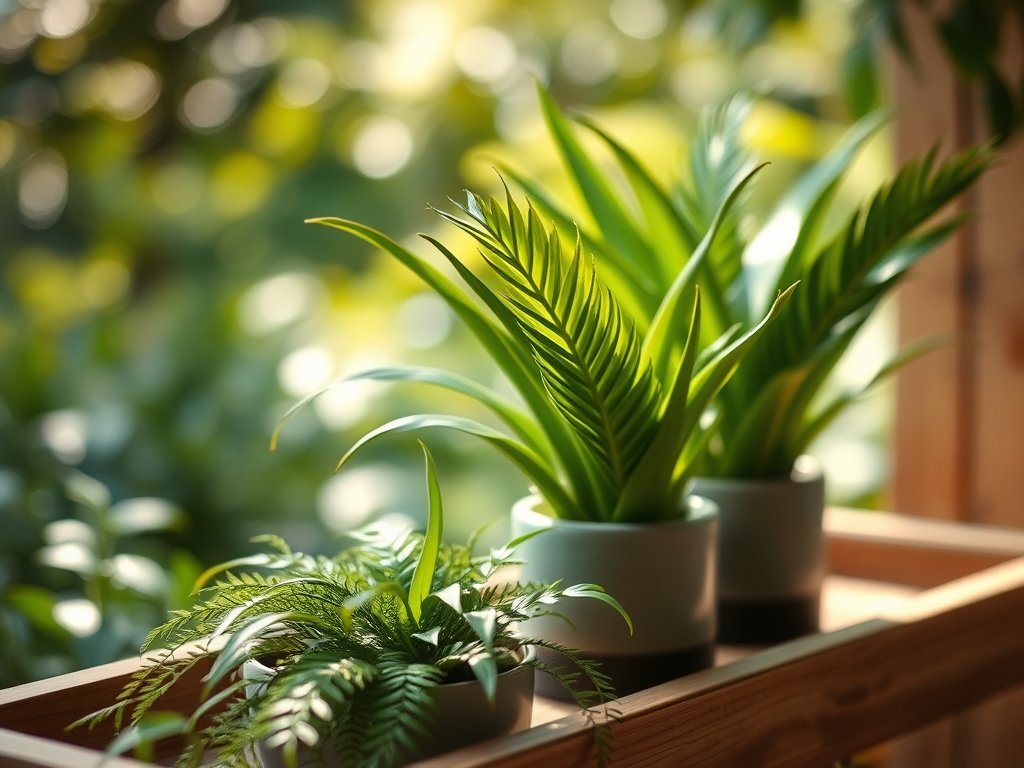
The scent of damp peat and the sharp, metallic tang of perlite define the workspace of a professional indoor horticulturist. Maintaining high turgor pressure in an Arecaceae specimen requires more than aesthetic placement; it demands a calculated engineering of the microclimate. When learning how to prepare a plant shelf for palms, the focus must shift from furniture to a functional rhizosphere support system. Indoor palms like the Chamaedorea elegans or Dypsis lutescens operate on narrow physiological margins. A shelf must accommodate vertical growth trajectories while managing the high transpiration rates characteristic of tropical understory species. Success is measured in the rigidity of the frond and the absence of necrotic tips. This process involves calibrating light intensity, humidity gradients, and substrate chemistry to mimic a forest floor environment within a confined domestic space. You are not merely placing a pot on a plank; you are constructing a life support system that balances gas exchange with moisture retention.
Materials:
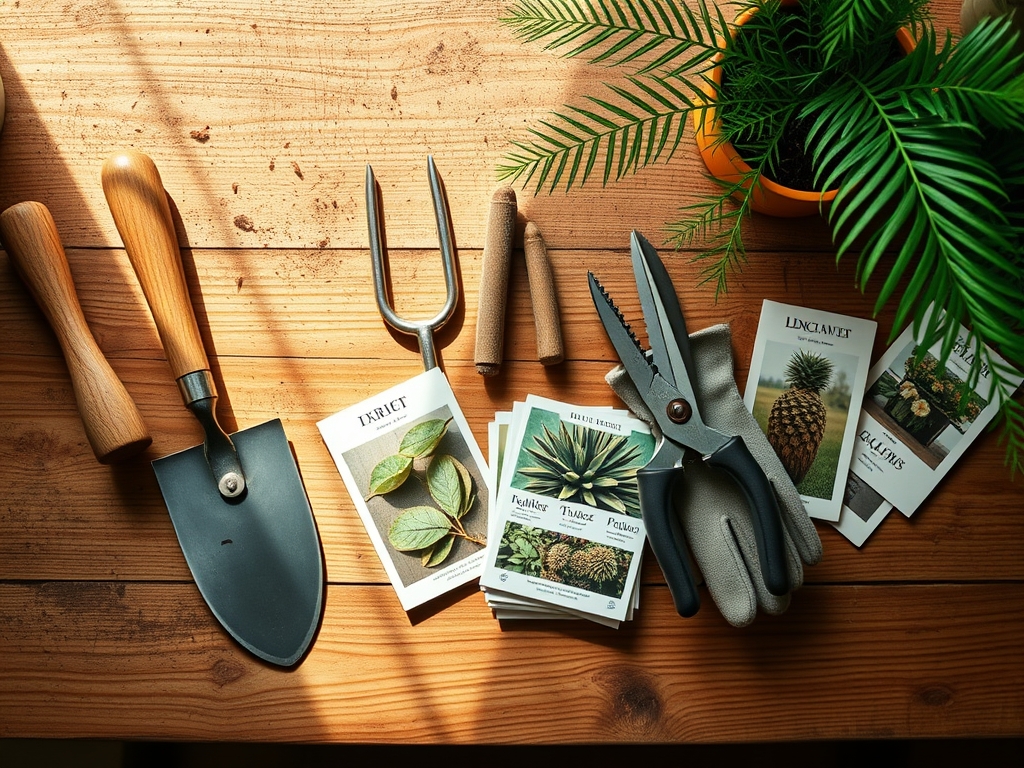
The foundation of a palm shelf begins with the substrate chemistry. Palms generally thrive in a slightly acidic environment with a **pH range of 5.5 to 6.5**. This acidity ensures that micronutrients like iron and manganese remain bioavailable. The ideal substrate is a friable loam composed of two parts peat moss or coconut coir, one part pine bark fines, and one part coarse perlite. This mixture provides the high porosity required for oxygen to reach the root zone.
Regarding nutrition, utilize a controlled-release fertilizer with an NPK ratio of 12-4-12 or 8-2-12. Palms have a high demand for potassium (K) and magnesium (Mg). Look for a Cation Exchange Capacity (CEC) rating on your soil components; higher CEC materials like clay or organic matter hold onto positively charged nutrients, preventing them from leaching during irrigation. Avoid standard potting soils that lack structural integrity, as they will compact over time and suffocate the sensitive root hairs.
Timing:
While indoor environments are climate-controlled, palms still respond to the biological clock dictated by external photoperiods. In Hardiness Zones 8 through 11, where many palms are native, the transition from vegetative growth to semi-dormancy occurs as daylight hours diminish. The ideal window to prepare your shelf and transition plants is late winter or early spring, specifically two to three weeks before the last frost date in your region.
During this period, the plant exits its winter senescence and enters a phase of rapid cell division. Increasing the light exposure on your shelf during this transition mimics the natural seasonal shift, triggering the production of auxins that stimulate new frond development. If you are relocating a palm from a nursery to your shelf, ensure the ambient temperature remains between 65 and 80 degrees Fahrenheit. Sudden drops below 50 degrees can cause chilling injury, manifesting as grayish-black lesions on the foliage.
Phases:
Sowing and Seed Preparation
If starting from seed, scarification is often necessary to break the tough outer coat. Soak seeds in deionized water for 24 to 48 hours, changing the water every 12 hours to prevent pathogen buildup. Sow seeds in a sterile medium at a depth equal to the seed diameter. Maintain a consistent bottom heat of 85 degrees Fahrenheit using a germination mat.
Pro-Tip: Maintaining high soil temperatures during germination is vital because it accelerates metabolic enzymes. This thermal energy facilitates the breakdown of endosperm nutrients, ensuring the embryo has sufficient fuel before it can begin photosynthesis.
Transplanting and Root Management
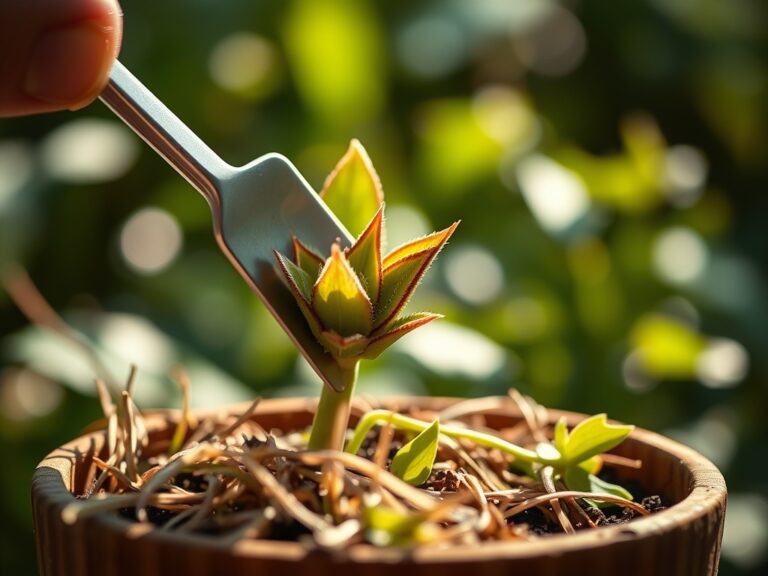
When moving a palm to the shelf, inspect the root ball for circling roots. Use a hori-hori knife to make vertical incisions in the root mass if it has become pot-bound. This encourages lateral root branching. Ensure the palm is situated at the same depth it was previously growing; planting too deep can lead to trunk rot, while planting too shallow causes desiccation of the upper root system.
Pro-Tip: Avoid disturbing the central root mass excessively. Palms rely on a sensitive symbiotic relationship with mycorrhizal fungi in the rhizosphere. Preserving this fungal network enhances the plant's ability to absorb phosphorus and water.
Establishing the Microclimate
Once the palm is positioned, calibrate the light levels. Most indoor palms require 1,500 to 3,000 foot-candles of light. If natural light is insufficient, install full-spectrum LED bars at a distance of 12 to 18 inches above the canopy. Use a digital hygrometer to ensure relative humidity stays above 50 percent.
Pro-Tip: Rotate the pots 90 degrees every week to counteract phototropism. This ensures that auxin distribution remains even across the stem, preventing the plant from leaning and maintaining structural integrity.
The Clinic:
Physiological disorders in palms often mimic pest damage, but they are frequently rooted in abiotic stress.
Symptom: Yellowing of older fronds while new growth remains green.
Solution: This indicates Nitrogen chlorosis. Nitrogen is a mobile nutrient; the plant pulls it from old growth to support new development. Apply a liquid 3-1-2 NPK fertilizer for immediate uptake.
Symptom: Brown, "scorched" leaf tips and margins.
Solution: This usually results from fluoride toxicity or low humidity. Switch to distilled or rainwater and increase the local humidity to 60 percent.
Symptom: Interveinal chlorosis on new leaves (yellowing between green veins).
Solution: This is a classic Manganese deficiency, common when the soil pH rises above 7.0. Lower the pH using elemental sulfur or a chelated manganese drench.
Fix-It: For general nutrient lockout, flush the substrate with three times the pot's volume in distilled water to remove accumulated salts, then re-introduce a balanced nutrient solution.
Maintenance:
Precision is the hallmark of professional maintenance. Use a soil moisture meter to verify that the top two inches of substrate have dried before re-watering. On average, a shelf-bound palm requires roughly 1.5 inches of water per week, delivered directly to the soil surface to avoid crown rot.
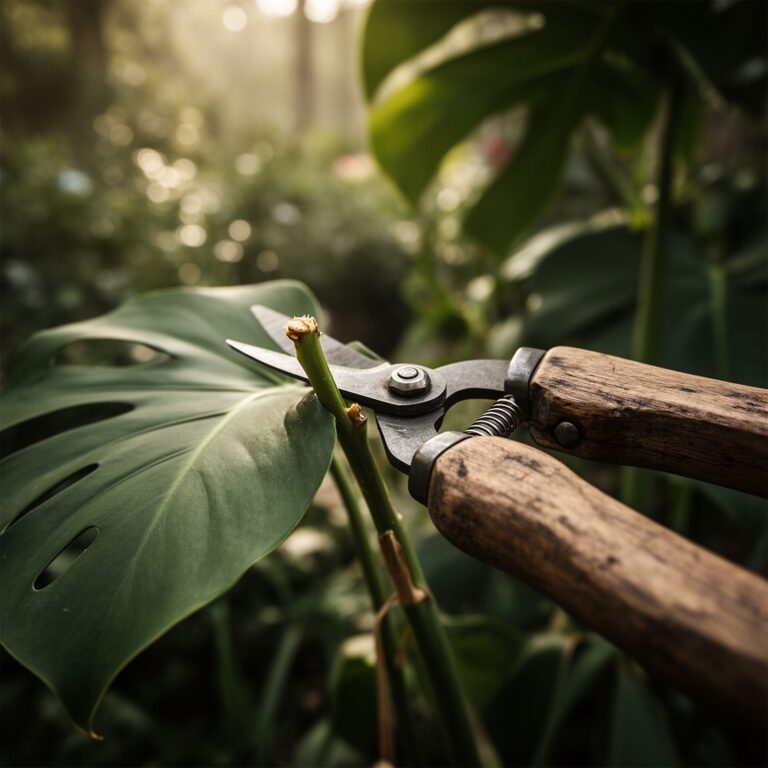
Pruning should be conservative. Use bypass pruners to remove only fully brown, necrotic fronds. Do not remove fronds that are merely yellowing, as the plant is still translocating mobile nutrients from those tissues. Clean your tools with a 70 percent isopropyl alcohol solution between plants to prevent the spread of pathogens. Every six months, wipe the fronds with a damp microfiber cloth to remove dust, which can block stomata and reduce photosynthetic efficiency by up to 30 percent.
The Yield:
While indoor palms are rarely harvested for fruit, the "yield" in a horticultural sense is the production of healthy, viable offsets or "pups" in species like the Rhapis excelsa. To harvest these, wait until the offset has developed its own independent root system, usually when it reaches 20 percent of the parent plant's height. Use a sharp blade to sever the connection, ensuring you retain a significant portion of the offset's roots. Treat the wound with powdered charcoal to prevent fungal entry and pot immediately in the friable loam mix described earlier. This ensures "day-one" freshness and minimizes transplant shock.
FAQ:
How often should I fertilize my shelf palms?
Apply a balanced, slow-release fertilizer every three months during the active growing season. Reduce frequency to once every six months during winter. Always water the substrate before applying liquid fertilizers to prevent root burn from concentrated salts.
What is the best light for a palm shelf?
Palms require bright, indirect light. Aim for 200 to 400 micro-moles of Photosynthetically Active Radiation (PAR). If using windows, North or East-facing exposures are ideal. Avoid direct midday sun, which can cause permanent solarization of the leaf tissues.
Why are my palm leaves turning brown and crispy?
This is typically caused by low atmospheric humidity or high salt accumulation in the soil. Maintain humidity above 50 percent and flush the soil with distilled water monthly to leach out excess minerals and tap water chemicals like fluoride.
Can I use regular garden soil for my palm?
No. Garden soil is too dense and lacks the necessary pore space for indoor palms. It compacts quickly, leading to anaerobic conditions and root rot. Always use a specialized, well-draining soilless mix containing perlite, bark, and peat.