9 Best Durable Mulch for High-Traffic Garden Paths
The scent of damp earth rising from a freshly turned bed signals the presence of geosmin; this organic compound confirms a healthy microbial population within the rhizosphere. When walking through a landscape, the physical resistance of the ground determines the longevity of the surrounding flora. High-traffic areas demand a substrate that prevents soil compaction, which otherwise restricts oxygen flow and reduces the turgor pressure of nearby root systems. Selecting the best mulch for paths requires a balance between aesthetic durability and the biological needs of the soil profile. A path that fails to distribute weight effectively leads to anaerobic conditions, causing root rot and stunted growth in adjacent perennials.
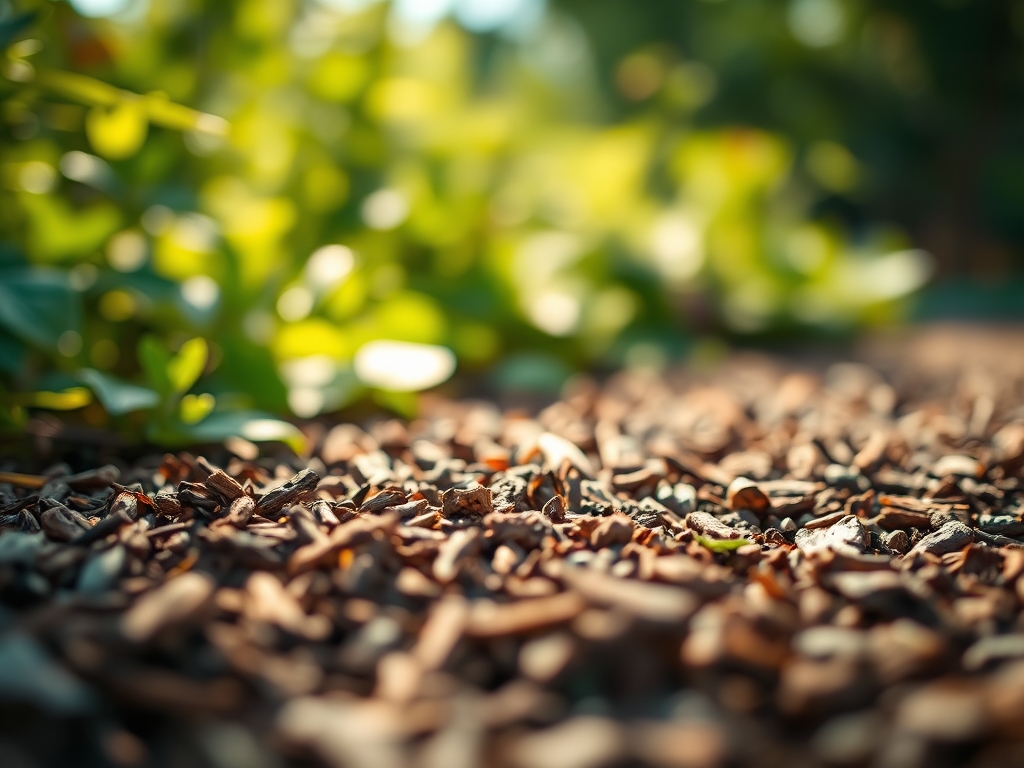
Engineered wood fibers and inorganic aggregates provide the structural integrity needed to withstand constant footfall while maintaining high porosity. In professional horticulture, we prioritize materials that do not rapidly decompose into a fine silt, as this would clog the macro-pores of the soil. By utilizing coarse-textured mulches, you preserve the structural integrity of the soil aggregates. This ensures that even under heavy use, the path remains a functional part of the garden ecosystem rather than a compacted dead zone. Every selection below serves to protect the cation exchange capacity of the underlying soil while providing a stable, non-slip surface for garden transit.
Materials:
Path construction begins with understanding the chemical baseline of your site. Most durable mulches interact with soil pH. For instance, pine bark nuggets possess a pH between **3.5 and 4.5**, making them ideal for paths bordering acid-loving species like Ericaceae. Conversely, limestone gravel can raise pH, potentially inducing iron chlorosis in sensitive plants. The ideal substrate beneath your mulch should be a **friable loam** with a Cation Exchange Capacity (CEC) of **15 to 25 meq/100g**. This allows the soil to retain essential cations like Potassium (K+) and Magnesium (Mg2+) even as water leaches through the path material.
- Arborist Wood Chips: High carbon-to-nitrogen ratio (up to 500:1). Excellent for fungal dominance.
- Double-Shredded Hardwood: Interlocking fibers resist washout on slopes.
- Pine Bark Nuggets: High lignin content ensures slow decomposition.
- Cedar Shavings: Naturally resistant to decay with a neutral impact on NPK levels.
- Crushed Granite (Fine): Inorganic; zero nutrient contribution but superior drainage.
- Pea Gravel: Smooth texture; requires a stable sub-base to prevent shifting.
- Pine Straw: High resin content; provides a knit surface that prevents erosion.
- Recycled Rubber: High durability; inert but provides no biological benefit to the soil.
- Coco Coir Pith: High water retention; best used in low-traffic, shaded transition zones.
Timing:
Installation timing is dictated by the thermal properties of the soil. In Hardiness Zones 4 through 7, the optimal window for path installation is late spring, once the soil temperature consistently reaches 55 degrees Fahrenheit. This prevents the mulch from insulating a frozen layer of soil, which would delay the spring "Biological Clock" and the transition from vegetative to reproductive stages in nearby plants.
In warmer regions, specifically Zones 8 through 11, autumn installation is preferred. This allows the mulch to settle before the intense ultraviolet radiation of summer begins the process of photo-degradation. Monitoring the photoperiod is essential; as days shorten, the metabolic rate of soil microbes slows, reducing the rate at which organic mulches break down. Aim to complete heavy path work at least four weeks before the first hard frost to ensure the soil structure has stabilized.
Phases:

Sowing the Foundation
Before laying the best mulch for paths, the site must be excavated to a depth of 3 to 4 inches. Remove all competitive vegetation and level the sub-base. If using organic mulch, avoid plastic liners which suffocate the soil. Instead, use a heavy-grade landscape fabric that allows for gas exchange.
Pro-Tip: Maintaining soil porosity is vital because of gas exchange dynamics. When oxygen cannot reach the roots, the plant shifts to anaerobic respiration, producing ethanol which can reach toxic levels in the root zone.
Transplanting and Edging
When paths border garden beds, install a physical barrier such as steel or heavy-duty plastic edging 2 inches above the soil line. This prevents mulch migration and protects the crown of adjacent plants from being buried too deeply. Ensure that the mulch does not directly touch the stems of neighboring shrubs to prevent bark decay.
Pro-Tip: Leave a 3-inch gap between the path edge and plant stems to prevent adventitious root growth. Excessive moisture against the trunk can trigger the plant to grow roots from the stem, compromising the structural integrity of the primary root system.
Establishing the Surface
Apply the mulch in layers, tamping down each 1-inch lift to ensure compaction-resistance. For wood-based materials, a total depth of 3 inches is standard. For inorganic aggregates, 2 inches is sufficient. Water the path thoroughly after installation to settle the particles and initiate the "knitting" process of the fibers.
Pro-Tip: Wood-based mulches encourage mycorrhizal symbiosis. The fungi break down the lignin and cellulose, creating a hyphal network that extends into the garden beds, effectively increasing the surface area for nutrient uptake by up to 1,000 percent.
The Clinic:
Physiological disorders in path-side plants often stem from the physical environment of the walkway.
- Symptom: Marginal leaf scorch and wilting despite regular watering.
- Solution: Check for soil compaction. Use a penetrometer to measure resistance. If it exceeds 300 psi, the roots cannot penetrate the soil. Aerate the area and replace heavy gravel with lighter wood chips.
- Symptom: Yellowing of new growth with green veins (Interveinal Chlorosis).
- Solution: This indicates a pH imbalance, likely from limestone leaching. Test the soil pH. If it is above 7.5, apply elemental sulfur at a rate of 5 lbs per 1,000 square feet to lower the alkalinity.
- Symptom: Rapid fungal bloom (Slime Mold) on mulch surface.
- Solution: This is a sign of excessive moisture and poor drainage. Increase the coarse fraction of your mulch or install a French drain beneath the path to move water away from the root zones.
Fix-It for Nitrogen Chlorosis: If using fresh wood chips, microbes may "rob" nitrogen from the soil to break down the carbon. Apply a high-nitrogen fertilizer with an NPK ratio of 21-0-0 (Ammonium Sulfate) at the rate of 1 lb per 100 square feet to offset this temporary deficit.
Maintenance:
A professional-grade path requires active management. Use a soil moisture meter weekly to ensure the soil beneath the mulch maintains a consistent moisture level of 25 to 35 percent. During the heat of summer, provide 1.5 inches of water per week at the drip line of adjacent plants using a soaker hose buried beneath the mulch.
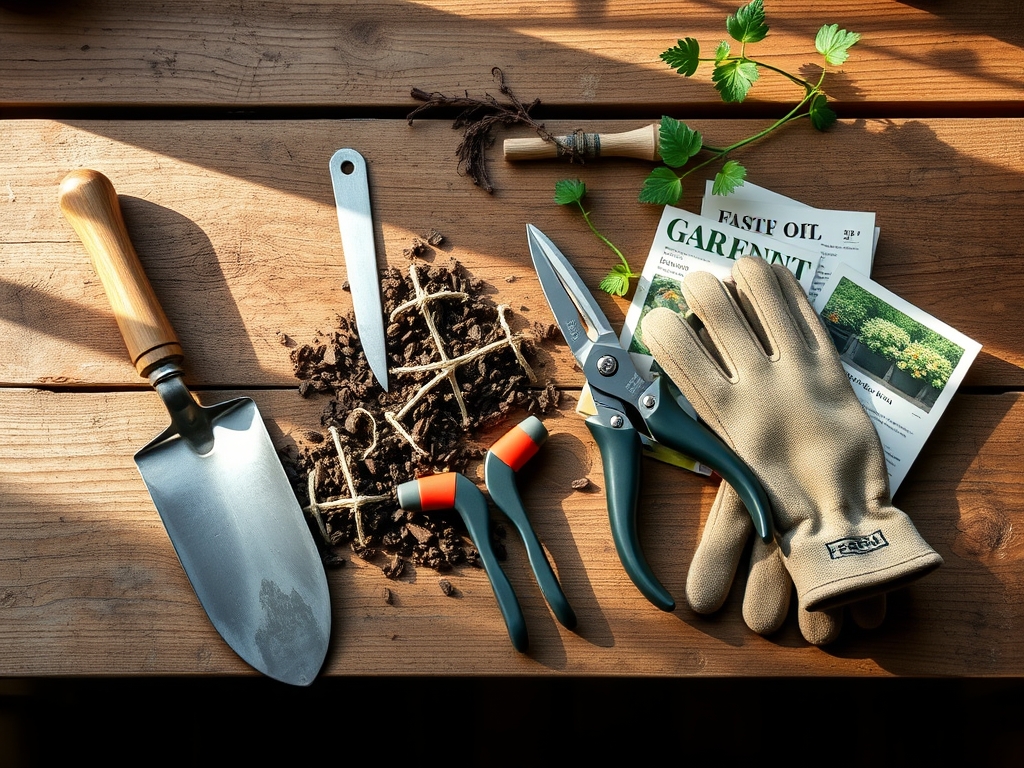
Every spring, inspect the path for "thinning." Use a hori-hori knife to check the depth at various points. If the mulch has decomposed to less than 2 inches, top-dress with fresh material. Use bypass pruners to trim any encroaching roots or overhanging foliage that might drop excessive organic matter onto the path, which would accelerate the formation of a weed-friendly silt layer.
The Yield:
While path mulches are not harvested, the "yield" is the sustained health of the surrounding landscape. A well-maintained path prevents the senescence of nearby perennials by protecting their root systems from mechanical damage. If your path borders edible herbs or flowers, ensure the mulch is "certified weed-seed free" to prevent competition. When harvesting path-side lavender or thyme, cut in the early morning when turgor pressure is highest for maximum essential oil concentration.
FAQ:
What is the longest-lasting organic mulch for paths?
Cedar and cypress mulches last the longest due to high concentrations of natural resins and thujone. These compounds resist microbial breakdown, maintaining structural integrity for 2 to 3 years before requiring a significant top-dress.
Does mulch attract wood-destroying insects to the garden?
While mulch provides moisture, most path mulches like cedar or inorganic gravel do not provide a primary food source for termites. Keep mulch 6 inches away from wooden structures and foundations to maintain a dry "buffer zone."
Can I use grass clippings as path mulch?
No. Grass clippings lack the lignin required for durability. They decompose rapidly, creating a slippery, anaerobic mat that blocks oxygen from the soil. Use wood chips or bark for the best mulch for paths instead.
How do I stop weeds from growing through my path?
Maintain a mulch depth of at least 3 inches to ensure total light occlusion. This prevents the germination of weed seeds by denying them the red-light spectrum required to trigger the growth response in dormant seeds.