9 Humidity Benefits of Using an Indoor Bonsai Pebble Tray
Using a pebble tray for indoor bonsai transforms the microclimate around your tree by creating a localized humidity zone through continuous evaporation. The shallow reservoir beneath the plant releases moisture into the air as water molecules escape the surface, raising relative humidity by 10 to 25 percent within the immediate canopy zone. This method mimics the forest floor conditions where most bonsai species evolved, providing consistent atmospheric moisture without saturating the root zone or compromising cation exchange capacity in the substrate.
Indoor environments, especially during heating season, typically maintain 20 to 40 percent relative humidity. Most temperate and tropical bonsai species require 50 to 60 percent for optimal stomatal function and nutrient uptake. The pebble tray creates a buffer zone where the tree can access ambient moisture while the root system remains in well-drained substrate with proper air exchange.
Materials
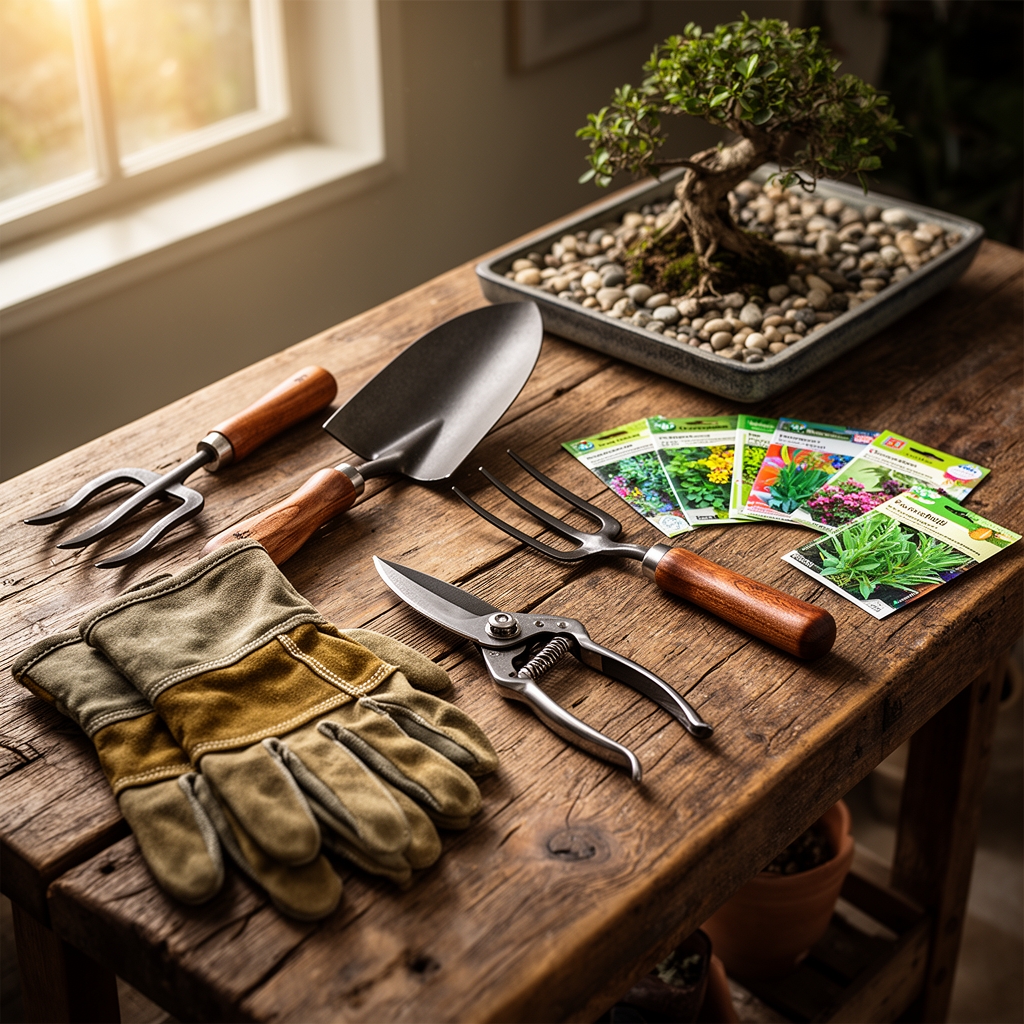
Select a waterproof tray 2 to 3 inches deep and 2 inches wider than your bonsai pot diameter on all sides. Plastic, ceramic, or glazed terra cotta work equally well, provided the material is non-reactive and stable. Avoid unglazed clay, which wicks water away from the evaporation surface.
For aggregate, choose river pebbles or aquarium gravel in the 0.25 to 0.5 inch diameter range. Lava rock works but absorbs water into its porous structure, reducing evaporative surface area by approximately 30 percent. Crushed granite or decorative stones with smooth surfaces maximize the water-to-air interface.
Substrate pH in the bonsai pot should remain between 6.0 and 6.5 for most species. The pebble tray itself requires no soil amendments. If you fertilize with liquid formulations, use a balanced 4-4-4 organic meal diluted to half strength every two weeks during active growth, or apply a controlled-release 10-10-10 synthetic fertilizer at the soil surface in early spring. The tray will not alter nutrient availability unless you allow fertilizer runoff to accumulate in standing water, which can concentrate salts and create reverse osmosis pressure.
Timing
Establish your pebble tray system when transitioning bonsai indoors in fall, typically when nighttime temperatures drop below 50°F. For USDA Hardiness Zones 6 through 9, this occurs between late September and mid-October. Tropical species should remain on humidity trays year-round, as they never enter true dormancy and require consistent moisture in the air.
In Zones 3 through 5, begin humidity supplementation by early September. Central heating systems activate earlier in these regions, dropping indoor humidity to critical levels by mid-autumn. Monitor your home environment with a hygrometer placed at canopy height near your bonsai display area.
Spring timing depends on species. Temperate deciduous bonsai can move outdoors after the last frost date, which ranges from late March in Zone 9 to late May in Zone 3. Tropical ficus, schefflera, and jade should remain on pebble trays until consistent nighttime outdoor temperatures exceed 60°F.
Phases
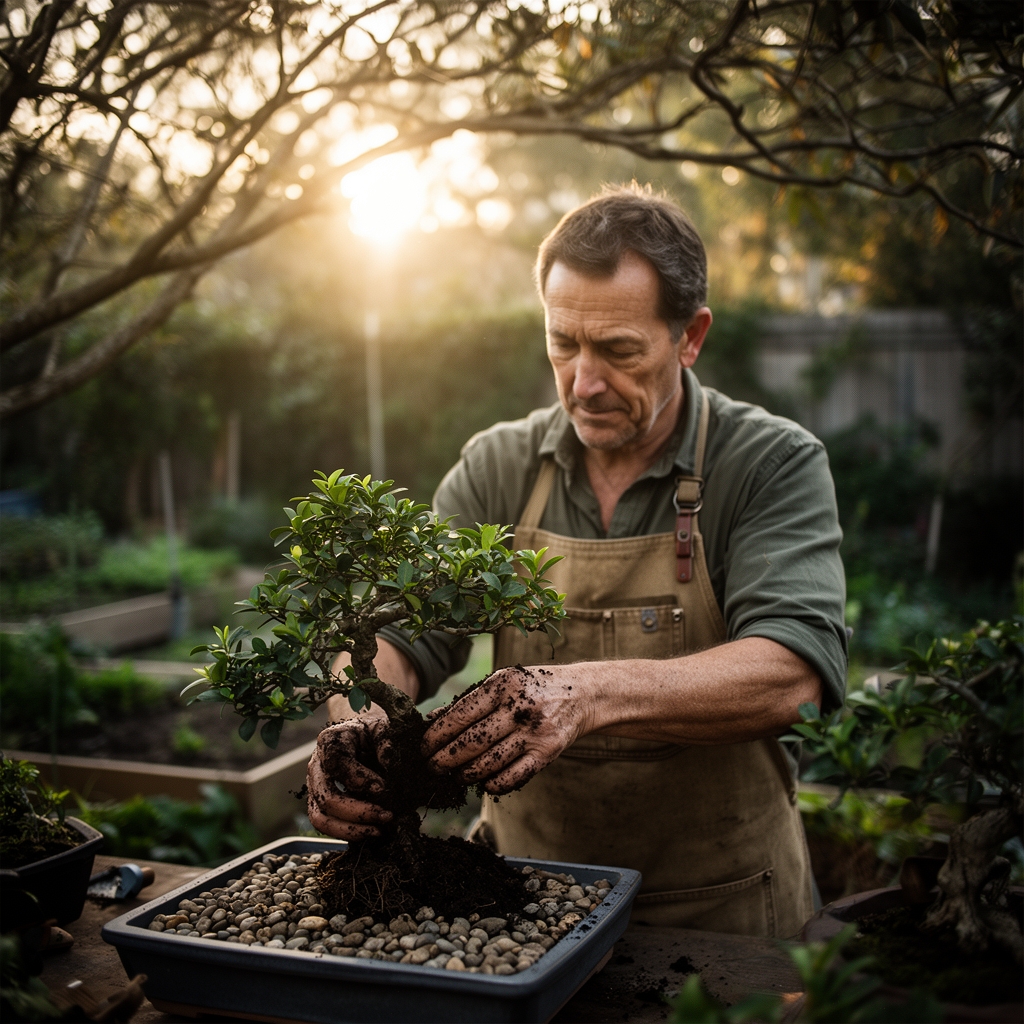
Initial Setup: Place pebbles in the tray to a depth of 1 to 1.5 inches. Add water until the surface reaches 0.25 inches below the top layer of stones. The pebbles must remain partially exposed to maximize evaporative surface area. Position the bonsai pot on the stones, ensuring the drainage holes sit above the water line. Direct contact between pot and water creates capillary action, which oversaturates the lower substrate layer and inhibits mycorrhizal fungi colonization.
Pro-Tip: Add 3 to 5 pieces of horticultural charcoal to the water reservoir. Activated carbon absorbs organic compounds from decomposing debris and maintains neutral pH in the standing water for 4 to 6 weeks.
Daily Operation: Check water levels each morning. Indoor humidity, air circulation from HVAC systems, and ambient temperature all affect evaporation rates. Most setups require refilling every 2 to 3 days, adding 0.5 to 1 cup of water to maintain the target level. Use room-temperature tap water that has sat uncovered for 24 hours to allow chlorine dissipation, or collect rainwater at pH 5.5 to 6.5.
Pro-Tip: Position the tray where it receives indirect light but not direct sun. Solar heating accelerates evaporation by 40 to 60 percent but also raises water temperature above 80°F, creating conditions favorable for algae and bacterial growth.
Monthly Maintenance: Remove the bonsai and drain the tray completely. Rinse pebbles under running water to eliminate salt deposits, algae films, and mineral buildup. Scrub the tray interior with a brush and diluted hydrogen peroxide solution (1 part 3% peroxide to 3 parts water). Allow all components to dry for 2 hours before reassembling. This prevents biofilm accumulation that reduces evaporative efficiency and harbors fungal spores.
Pro-Tip: Rotate your bonsai 90 degrees each time you refill the tray. Uneven humidity distribution caused by directional airflow from vents or windows can lead to asymmetric auxin distribution, resulting in one-sided growth patterns over 8 to 12 weeks.
Troubleshooting
Symptom: White crusty deposits on pebbles and tray edges. Solution: Mineral accumulation from hard water. Switch to distilled water or install a basic carbon filter. Flush the system weekly with distilled water to dissolve existing deposits. Calcium and magnesium concentrations above 180 ppm create visible scale within 3 to 4 weeks.
Symptom: Green or brown slimy film on water surface. Solution: Algae or bacterial bloom from excess nutrients and light exposure. Drain completely, sterilize with 10% bleach solution (1 part bleach to 9 parts water), rinse thoroughly, and relocate away from direct sun. Reduce liquid fertilizer concentration by 50% to limit nutrient runoff into the tray.
Symptom: Musty odor from tray area. Solution: Anaerobic bacterial growth in stagnant water. Increase drainage by elevating one end of the tray 0.25 inches to create gentle water flow. Add an aquarium air stone connected to a small pump to maintain dissolved oxygen above 5 ppm. Replace charcoal pieces every 6 weeks.
Symptom: Fungus gnats hovering near bonsai and tray. Solution: Larvae breeding in moist pebbles or overwatered substrate. Allow the top 0.5 inches of bonsai soil to dry completely between waterings. Apply Bacillus thuringiensis israelensis (BTI) to the water reservoir at 1 tablespoon per gallon. The bacterial toxin targets dipteran larvae without harming plants or beneficial insects.
Symptom: Leaf edges browning despite adequate watering. Solution: Humidity remains insufficient. Add a second tray or increase surface area by 40%. Cluster multiple bonsai on a shared large tray to create a group microclimate. Measure relative humidity with a digital hygrometer placed 6 inches from the foliage. Target readings should stay between 50 and 65% throughout the day.
Maintenance
Refill the pebble tray when water drops to 0.125 inches depth, typically every 48 to 72 hours in heated indoor spaces. Add 8 to 12 ounces depending on tray size and ambient conditions. During peak heating season (December through February in most regions), evaporation rates double and may require daily additions of 4 to 6 ounces.
Clean the entire system monthly using the protocol described in the phases section. Every 3 months, replace 25% of the pebbles to maintain optimal surface characteristics as weathering and algae etching reduce smoothness over time.
Monitor substrate moisture independently from humidity levels. Water bonsai soil when the top 0.5 inches feel dry to touch, delivering 1 to 1.5 cups of water slowly over 2 minutes until excess drains freely. The pebble tray provides atmospheric humidity only and should never replace proper root zone irrigation.
Inspect pebbles weekly for debris accumulation. Remove fallen leaves, dropped flowers, or soil particles that create nutrient-rich pockets where algae blooms initiate. A quick 30-second visual check prevents larger maintenance issues.
FAQ
How much humidity does a pebble tray add? A properly sized pebble tray increases relative humidity by 10 to 25 percentage points within 12 inches of the canopy. Actual gain depends on room size, air circulation, and evaporative surface area. A 12-inch diameter tray adds approximately 15% humidity in a 100 square foot space.
Can I use sand instead of pebbles? Sand reduces effectiveness by 50 to 70%. Fine particles pack densely, minimizing water surface exposure. Capillary action also pulls water higher in sand, potentially contacting pot bottoms and creating saturation issues. Stick with 0.25 to 0.5 inch aggregate.
Should water touch the bonsai pot? Never. Direct contact causes capillary wicking into the substrate through drainage holes, oversaturating the lower root zone and creating anaerobic conditions. Maintain a 0.25 inch air gap between water surface and pot bottom at all times.
Do all indoor bonsai need pebble trays? Tropical and subtropical species (ficus, jade, schefflera) require year-round humidity support. Temperate species benefit during indoor winter dormancy but may not require trays if ambient humidity stays above 45%. Desert-adapted species like bougainvillea tolerate 30 to 40% humidity without supplementation.
How do I prevent algae without chemicals? Reduce light exposure, maintain water temperature below 75°F, and ensure complete monthly cleaning cycles. Adding 1 teaspoon of 3% hydrogen peroxide per gallon of water every two weeks provides mild oxidation that suppresses algae without residual toxicity. The peroxide degrades to water and oxygen within 48 hours.