7 Best Soft Plant Ties for Delicate Indoor Stems
The scent of damp, pasteurized peat moss and the crisp turgor of a fully hydrated leaf signify a healthy indoor environment. When a Monstera deliciosa or a delicate orchid begins to lean, the structural integrity of the stem depends on the immediate application of the Best plant ties to prevent vascular constriction. Maintaining high turgor pressure requires a support system that accommodates secondary xylem growth without scarring the epidermis. A physical break in the stem wall invites pathogens into the vascular bundle; therefore, selecting ties with sufficient elasticity is a requirement for any serious indoor horticulturalist.
Materials:
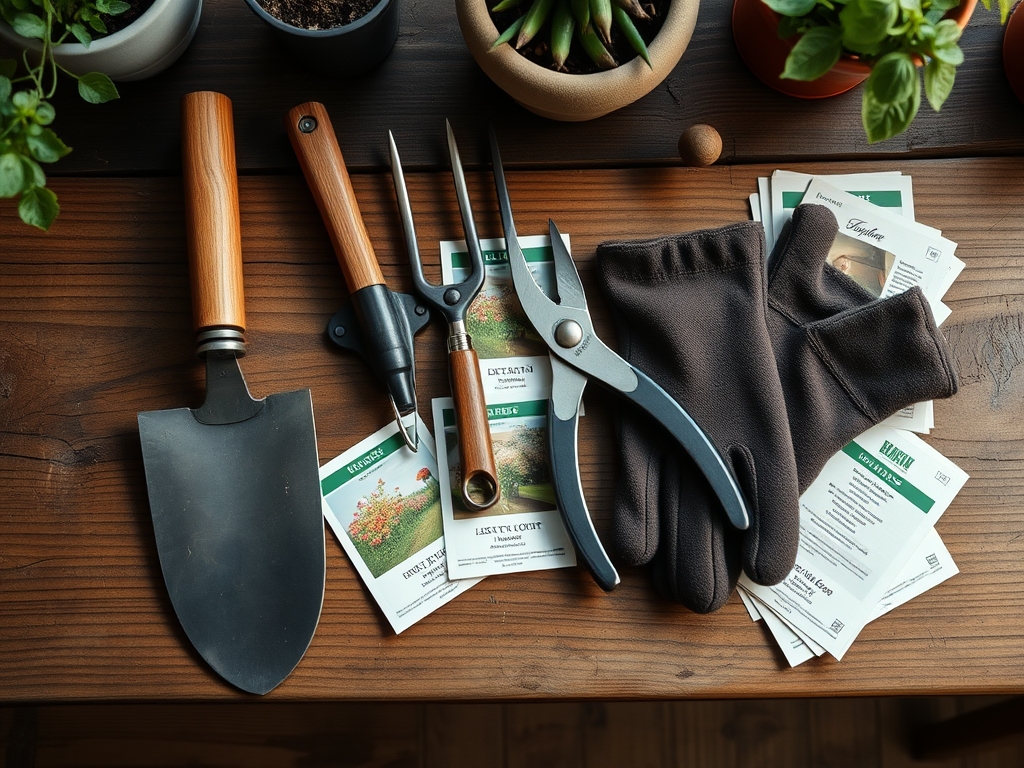
Indoor plants thrive in a **friable loam** with a high Cation Exchange Capacity (CEC) to ensure nutrient availability. The substrate should maintain a **pH between 5.8 and 6.5** for optimal mineral solubility. When securing plants, the material must interact safely with the soil chemistry. Use an **NPK ratio of 3-1-2** for foliage plants to support vegetative expansion. Soft ties made of expanded polyethylene or hook-and-loop nylon are ideal because they do not leach chemicals into the **rhizosphere** during heavy irrigation cycles. Ensure the tie material is non-absorbent to prevent the localized accumulation of mineral salts or fungal spores near the stem tissue.
Timing:
Indoor cultivation bypasses traditional Hardiness Zones; however, the "Biological Clock" remains tied to the photoperiod. Most indoor species transition from active vegetative growth to a slower metabolic state when daylight drops below 12 hours. Secure your plants during the early vegetative phase when auxin levels are highest at the apical meristem. This ensures the plant hardens off in the desired vertical orientation. Avoid heavy manipulation during the reproductive stage; the energy shift toward flowering reduces the plant's ability to repair mechanical damage to the outer cuticle.
Phases:
Sowing and Early Growth
Start seeds in a sterile medium with low electrical conductivity (EC). Once the first true leaves appear, the seedling begins its search for light. If the stem appears "leggy," it is experiencing etiolation.
Pro-Tip: Use a thin, soft wire tie to provide a loose guide. This prevents phototropism from causing the stem to collapse under its own weight before the lignin levels increase.
Transplanting
Move the specimen when roots occupy 75 percent of the current container. Use a hori-hori knife to loosen the root ball. Secure the main lead to a bamboo or moss pole using a soft foam tie.
Pro-Tip: Position the tie just below a node. This exploits apical dominance by stabilizing the primary growth point while allowing the lateral buds to remain unobstructed for future branching.
Establishing
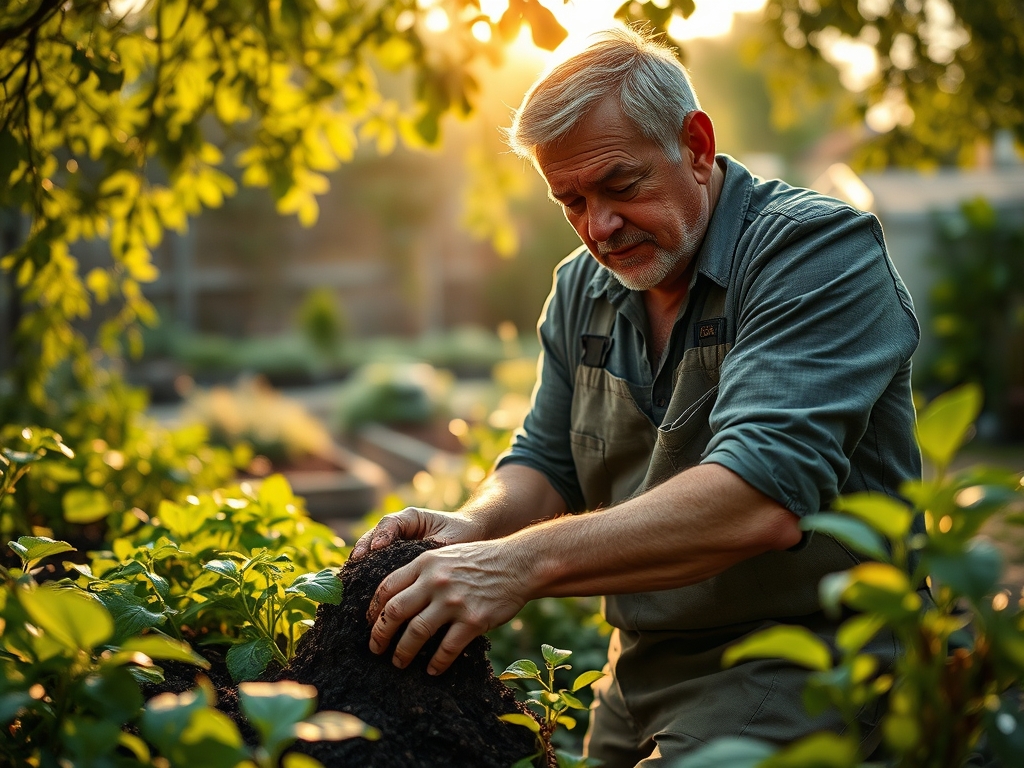
As the plant establishes, the root system develops a mycorrhizal symbiosis with beneficial fungi, increasing phosphorus uptake. The ties must be checked every 30 days to ensure they are not girdling the stem as the diameter increases.
Pro-Tip: Leave a 0.5-inch gap between the tie and the stake. This allows for "thigmomorphogenesis," where the plant develops a thicker, stronger stem in response to slight mechanical movement from ambient airflow.
The Clinic:
Observation of physiological disorders is critical for intervention.
- Symptom: Interveinal chlorosis on lower leaves. Solution: This indicates Nitrogen deficiency. Apply a water-soluble fertilizer with a high N-value to restore chlorophyll production.
- Symptom: Stem "strangulation" or localized bruising. Solution: The tie is too tight. Replace with a soft, stretchy fabric tie to allow for vascular expansion.
- Symptom: Leaf drop and soft, brown stems. Solution: This is likely Pythium root rot caused by over-saturation. Use a soil moisture meter to ensure the top 2 inches of soil are dry before the next irrigation.
- Symptom: Tip burn on new growth. Solution: Excess salt accumulation. Flush the substrate with distilled water equal to three times the volume of the pot to lower the EC levels.
Maintenance:
Precision is the hallmark of a professional. Provide exactly 1.5 inches of water per week at the drip line for large floor plants. Use bypass pruners to remove any necrotic tissue at a 45-degree angle to prevent water pooling on the wound. Monitor the rhizosphere temperature; most tropical indoor plants prefer a root zone between 65 and 75 degrees Fahrenheit. If using moss poles for climbing plants, mist the pole daily to maintain a localized humidity of 60 percent, encouraging the development of adventitious aerial roots.
The Yield:
For indoor fruiting plants like calamondin oranges or peppers, harvest when the fruit reaches 90 percent color saturation. Use a sharp blade to cut the pedicel; do not pull the fruit, as this can damage the fruiting spur. To maintain "day-one" freshness, hydro-cool the harvest by submerging it in 50-degree Fahrenheit water for 10 minutes to remove field heat and slow the rate of senescence.
FAQ:
What are the best plant ties for fragile orchids?
Soft hook-and-loop tape or padded foam wires are superior. These materials provide grip without crushing the delicate velamen layer of the orchid roots or the primary flower spike. Check tension weekly to prevent mechanical scarring during growth.
Can I reuse soft plant ties?
Yes, provided they are sterilized. Soak used ties in a 10 percent bleach solution for 20 minutes to eliminate pathogens like Botrytis. Ensure they are completely dry before reapplying to a new specimen to prevent fungal transfer.
How tight should a plant tie be?
A tie should never be flush against the stem. Maintain a 0.5-inch loop to allow for secondary growth. If the tie leaves an indentation in the tissue, it is obstructing the phloem and must be loosened immediately.
When should I remove support ties?
Remove ties once the plant demonstrates self-supporting structural integrity. This usually occurs after the stem has undergone significant lignification. Test this by gently shaking the base; if the apical meristem remains upright without assistance, the tie is unnecessary.