9 Baking-Soda Steps for Treating Rust Fungus Naturally
Damp earth emits a sharp, geosmin-heavy scent when fungal spores begin to colonize the leaf surface. You notice the loss of turgor pressure in the foliage as orange pustules erupt across the underside of the leaf. This is rust fungus; it is a parasitic organism that siphons nutrients directly from the plant vascular system. Effective management requires precise steps for treating rust with pruning to stop the spread of Pucciniales spores before they decimate your crop.
The physiological impact of rust is immediate. It disrupts photosynthesis by covering the stomata, which leads to premature senescence and stunted growth. A successful intervention combines chemical pH manipulation with aggressive mechanical removal of infected tissue. You must act when the first sign of chlorotic spotting appears on the upper leaf surface. Waiting for the pustules to rupture means the spores have already become airborne.
Materials:

To combat rust, you must first optimize the soil environment to ensure the plant has the cellular strength to recover. The substrate should be a **friable loam** with a **Cation Exchange Capacity (CEC) above 15**. High CEC ensures that the plant can readily access the minerals needed for cell wall thickening.
- Soil pH: Maintain a range between 6.2 and 6.8. If the pH drops below 6.0, phosphorus becomes locked, weakening the plant immune response.
- NPK Ratio: Use a low-nitrogen formula such as 5-10-15. Excessive nitrogen creates succulent, soft growth that is highly susceptible to fungal penetration.
- Baking Soda Solution: Mix 1 tablespoon of sodium bicarbonate with 1 gallon of water and 2.5 tablespoons of horticultural oil. The oil acts as a surfactant to ensure the solution adheres to the waxy cuticle of the leaf.
- Potassium Supplement: Apply 0-0-50 (Potassium Sulfate) to increase the thickness of the epidermal cell walls.
Timing:
Rust thrives in high humidity and temperatures between 60 and 75 degrees Fahrenheit. In Hardiness Zones 5 through 8, the primary infection window occurs during the transition from the vegetative stage to the reproductive stage. This "Biological Clock" shift redirects energy from leaf defense to flower production, making the plant vulnerable.
Monitor your local frost-date windows. The most critical time for application is 14 days after the last spring frost when humidity levels begin to climb. Ensure all pruning is completed before the plant enters its peak photoperiod, as late-season pruning can trigger a flush of new growth that will not harden off before the first autumn frost.
Phases:
Sowing and Site Preparation
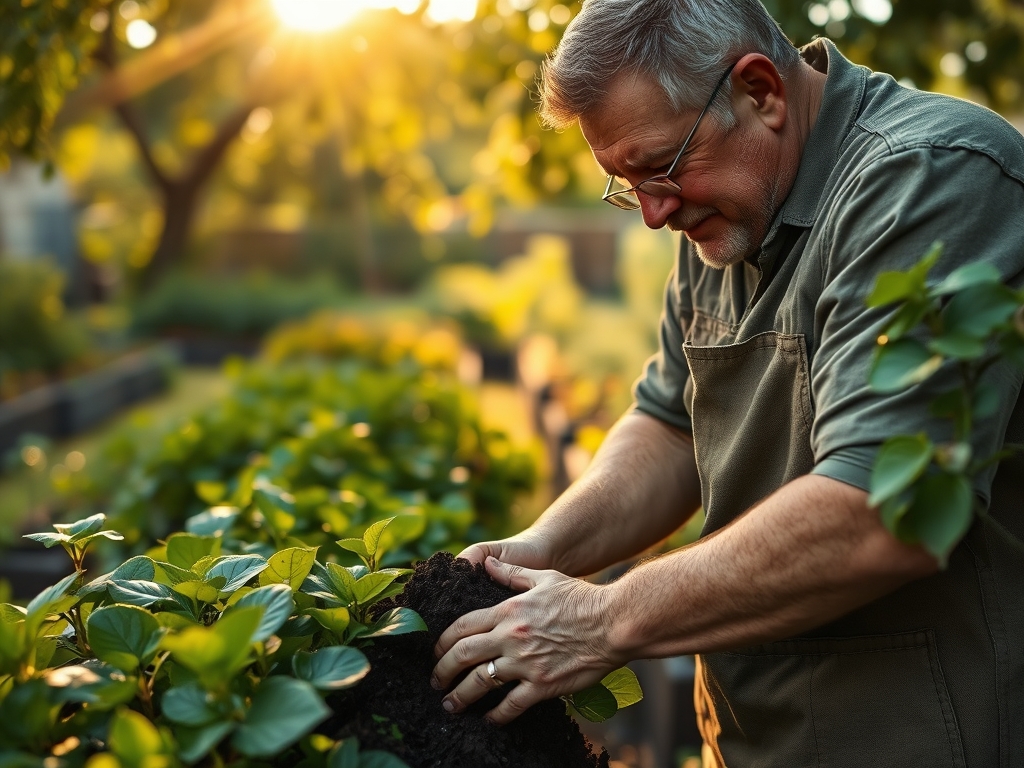
Ensure a planting distance of at least 24 inches between specimens to facilitate laminar airflow. This reduces the leaf wetness duration, which is the primary driver of spore germination.
Pro-Tip: Proper spacing utilizes the principle of boundary layer resistance. By increasing airflow, you decrease the humidity at the leaf surface, preventing the moisture film required for fungal hyphae to penetrate the stomata.
Transplanting and Initial Treatment
When moving plants into the field, drench the rhizosphere with a diluted seaweed extract. This introduces cytokinins that stimulate root development and improve systemic acquired resistance (SAR).
Pro-Tip: Mycorrhizal symbiosis is essential here. Introducing Glomus intraradices to the root zone increases the surface area for nutrient uptake, allowing the plant to better withstand the stress of fungal infection.
Establishing and Pruning
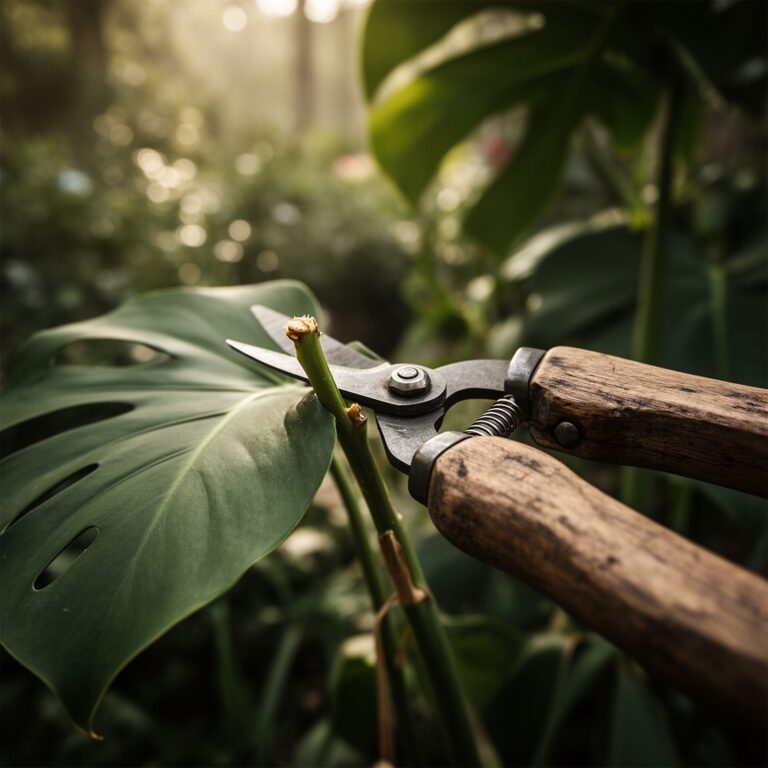
As the plant matures, execute the steps for treating rust with pruning by removing the bottom 12 inches of foliage. This "limbing up" technique prevents soil-borne spores from splashing onto the leaves during irrigation.
Pro-Tip: Pruning removes the "sink" tissues that drain energy. By suppressing auxin in the lower nodes, the plant redirects its metabolic resources to the upper canopy where photosynthesis is most efficient.
The Clinic:
Physiological disorders often mimic rust symptoms. Use this diagnostic guide to differentiate between fungal infection and abiotic stress.
Symptom: Small, raised orange or brown bumps on the leaf underside.
Solution: Immediately apply the sodium bicarbonate solution and prune all infected leaves. Do not compost these clippings; the spores can survive the thermophilic phase of most home compost piles.
Symptom: Interveinal yellowing (Nitrogen Chlorosis).
Solution: Apply a foliar spray of 0.5% urea solution. This provides a rapid nitrogen boost without the long-term risk of soft growth associated with soil-applied ammonium.
Symptom: Purple tinting on older leaves (Phosphorus Deficiency).
Fix-It: Check soil temperature. If the soil is below 55 degrees Fahrenheit, phosphorus uptake is inhibited regardless of soil concentration. Use a soil moisture meter to ensure the ground is not waterlogged, which further limits nutrient mobility.
Maintenance:
Consistency is the hallmark of a professional horticulturist. Deliver 1.5 inches of water per week directly at the drip line using a soaker hose. Avoid overhead irrigation at all costs; moisture on the foliage is a catalyst for rust.
Utilize a hori-hori knife for weeding to avoid disturbing the shallow feeder roots. When pruning, use sharp bypass pruners to ensure clean cuts that callouse over quickly. Ragged edges provide an entry point for secondary pathogens. Sanitize your tools with 70% isopropyl alcohol between every single cut to prevent the mechanical transmission of spores.
The Yield:
For ornamental plants, harvest flowers when the first two rays have fully unfurled. For edible crops, harvest during the cool of the morning to maintain maximum cell turgidity.
Post-harvest handling is critical. Submerge the cut stems in 40-degree Fahrenheit water immediately. This rapid cooling slows down the metabolic rate and respiration of the plant tissue, ensuring "day-one" freshness for a longer duration. If rust was present during the growing season, ensure all debris is cleared from the field to prevent the fungus from overwintering in the soil.
FAQ:
How does baking soda kill rust fungus?
Sodium bicarbonate creates an alkaline environment on the leaf surface. This shift in pH disrupts the osmotic balance of the fungal cells, causing the hyphae to collapse and preventing further spore germination.
Can I use dish soap in my spray?
Yes, but only as a surfactant. Use 3 to 5 drops of biodegradable liquid soap per gallon. It breaks the surface tension of the water, allowing the baking soda solution to coat the leaf evenly rather than beading off.
Is rust fungus systemic?
No, most garden rusts are localized. However, they spread rapidly via wind and water. This is why aggressive pruning of the first infected leaves is the most effective way to stop an outbreak before it becomes unmanageable.
When is the best time to spray?
Apply treatments in the early morning or late evening when temperatures are below 80 degrees Fahrenheit. Applying the solution in direct midday sun can cause phytotoxicity, resulting in severe leaf burn due to the oil content.