6 Best Discreet Plant Clips for Training Indoor Vines
The scent of damp, mineral-rich earth and the firm turgor of a hydrated Monstera leaf signal a thriving indoor ecosystem. Managing these vertical climbers requires more than just aesthetic intent; it demands structural integrity to prevent stem breakage and ensure optimal light exposure. Selecting the best plant clips allows a grower to direct the vascular flow of a vine without compromising the delicate epidermis of the stem. When a vine reaches a height of twelve inches, the gravitational load begins to stress the lower nodes. By using high-quality clips, you distribute this weight across a support structure, preventing cellular collapse in the lower stalk. These clips must be non-reactive and sized to accommodate secondary thickening as the plant matures. Proper training ensures that the foliage remains oriented toward the light source, maximizing the photosynthetic rate. Without intervention, indoor vines often become a tangled mass of unproductive growth that inhibits airflow and encourages stagnant humidity. Precision placement of clips transforms a chaotic scramble into a structured, healthy specimen that utilizes every square inch of available vertical space.
Materials:
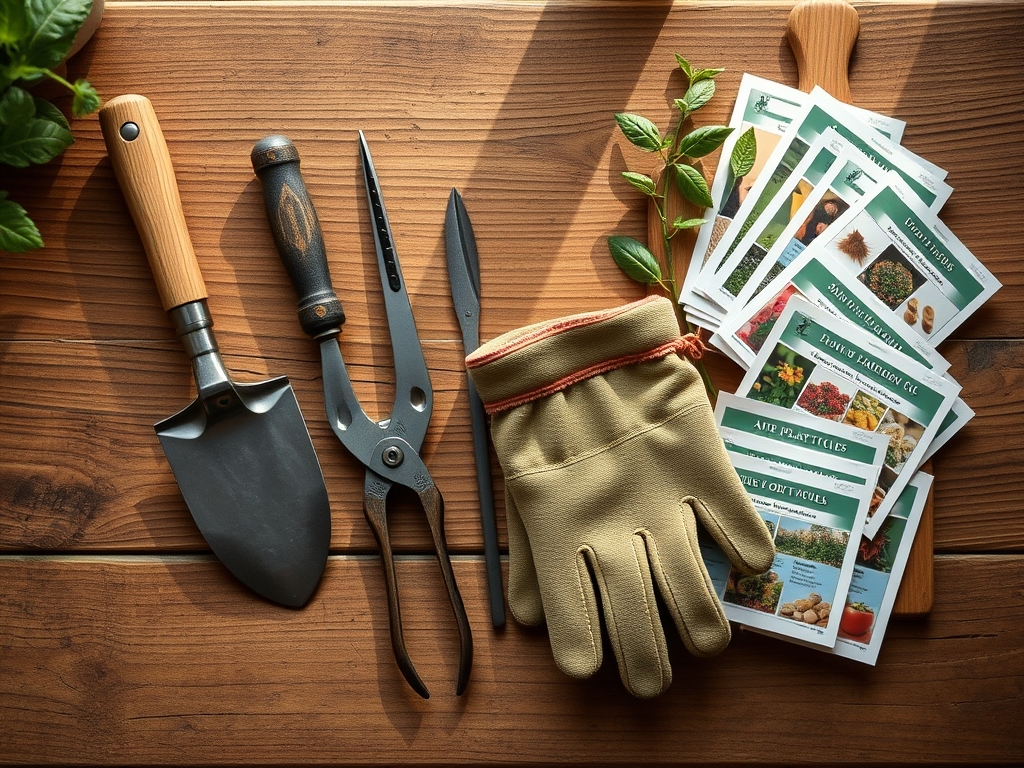
Indoor vines require a substrate with a **pH range of 5.8 to 6.5** to ensure maximum nutrient bioavailability. A friable loam consisting of 40 percent peat moss, 30 percent perlite, and 30 percent pine bark provides the necessary porosity for gas exchange in the rhizosphere. For vegetative growth, maintain an **NPK ratio of 3-1-2**. This high-nitrogen balance supports the development of chlorophyll and structural proteins. The soil must have a high Cation Exchange Capacity (CEC), typically between **15 and 25 meq/100g**, to hold onto essential ions like potassium and magnesium. If the substrate feels gritty and collapses easily when squeezed, it lacks the organic matter needed for moisture retention. Conversely, a substrate that remains muddy for more than 48 hours will lead to root senescence due to anaerobic conditions. Use a **soil moisture meter** to verify that the root zone remains at 40 to 60 percent saturation before applying supplemental fertilization.
Timing:
Training should align with the plant's biological clock, specifically during the active vegetative stage. For most indoor species, this occurs when ambient temperatures remain between 65 and 80 degrees Fahrenheit. While indoor plants are shielded from Hardiness Zone frost dates, they still respond to the photoperiod. Begin training in late winter or early spring as day length exceeds 12 hours, triggering a surge in auxin production. This hormone facilitates cell elongation at the apical meristem, making the stems more pliable for clipping. Avoid heavy training during the dormant winter months when metabolic rates drop and turgor pressure is lower; cold-stressed stems are brittle and prone to snapping. If your indoor environment mimics Zones 10 or 11, you may train year-round, provided you maintain a consistent humidity level of at least 50 percent.
Phases:
Sowing and Initial Growth
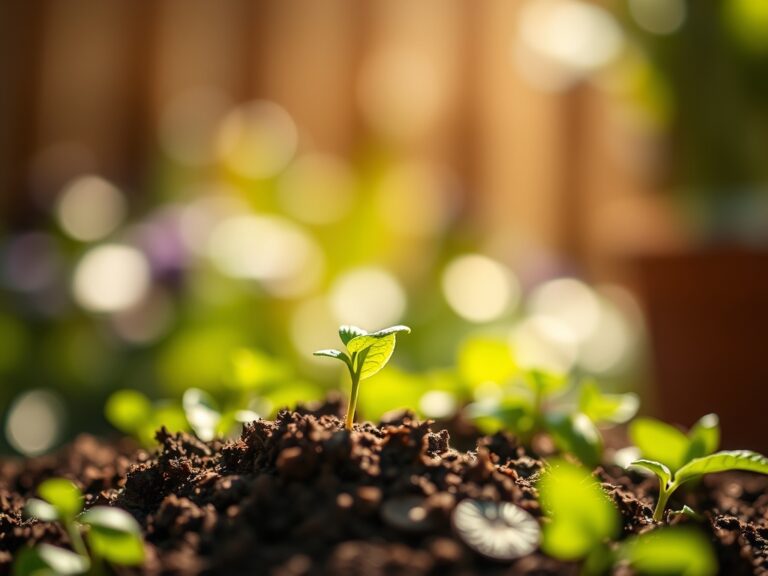
Start seeds or cuttings in a sterile medium at 75 degrees Fahrenheit. Once the primary root system establishes and the first true leaves appear, the plant enters the seedling stage. At this point, the stem is too fragile for clips. Focus on maintaining high humidity to ensure the stomata remain open for gas exchange.
Pro-Tip: Maintain high turgor pressure during this phase because water-filled cells provide the structural "skeleton" for the young plant before lignin develops.
Transplanting to Vertical Supports
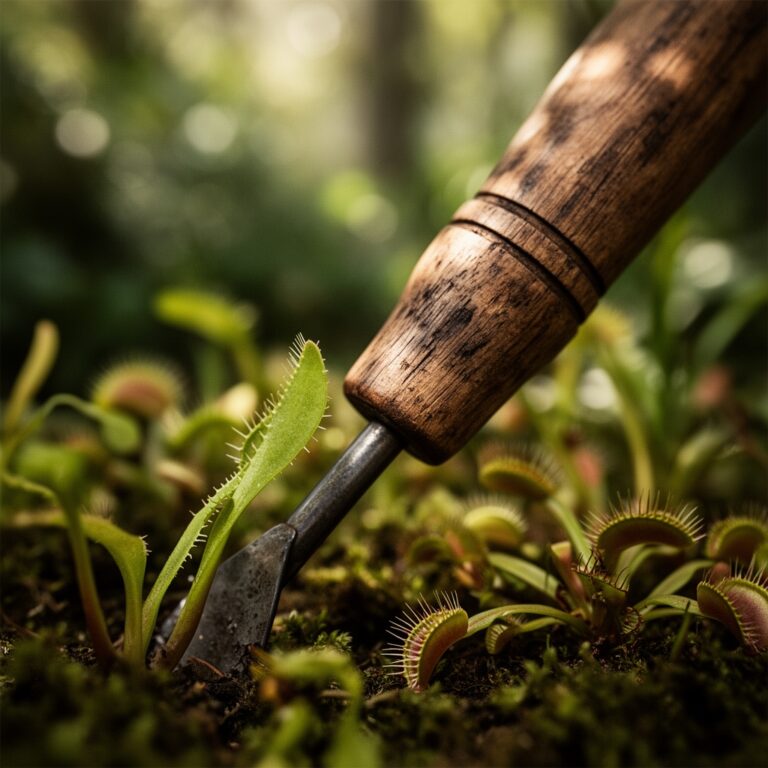
When the vine reaches 6 inches in length, move it to its permanent container. Use a hori-hori knife to clear a space for a moss pole or trellis without damaging the root ball. Secure the first best plant clips at the base, ensuring they are loose enough to allow for the expansion of the xylem and phloem tissues.
Pro-Tip: Positioning clips near the nodes exploits thigmotropism; the plant's tactile response to physical touch encourages thicker cell walls in the contact area.
Establishing the Path
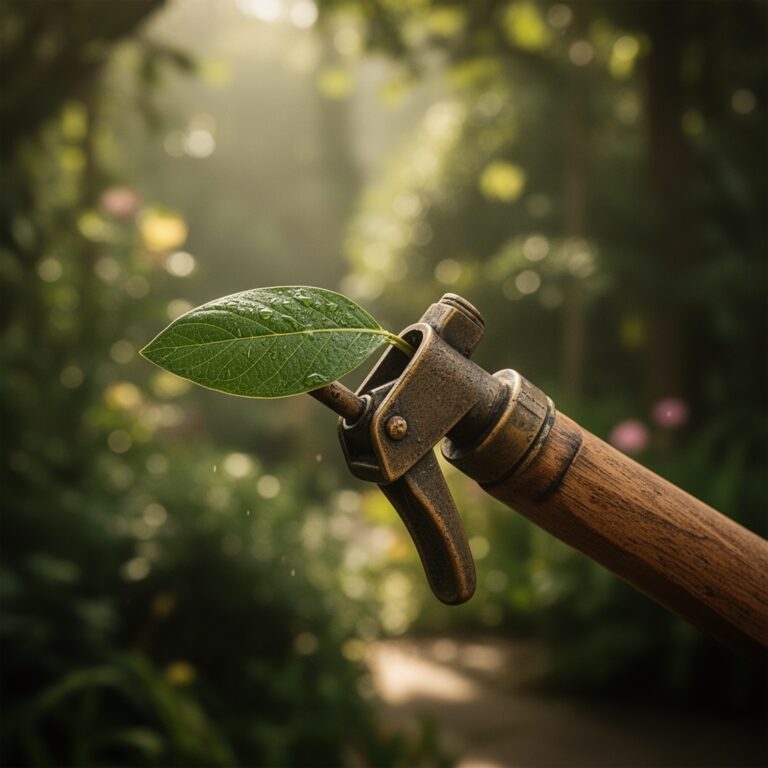
As the vine grows at a rate of 1 to 3 inches per week, add clips every 4 to 6 inches. Direct the growth upward or laterally to fill gaps in the support structure. Monitor the tension; if a clip leaves an indentation in the stem, it is too tight and will restrict the flow of photosynthesates from the leaves to the roots.
Pro-Tip: Strategic clipping suppresses apical dominance by altering the flow of auxins; this encourages lateral branching and a fuller, more robust appearance.
The Clinic:
Physiological disorders often manifest as visual cues on the foliage or stem.
- Symptom: Interveinal Chlorosis. The leaves turn yellow while the veins remain green.
- Solution: This indicates a Magnesium deficiency or a pH imbalance above 7.0. Flush the soil with distilled water and apply a micronutrient supplement.
- Symptom: Leaf Abscission. Older leaves drop suddenly despite regular watering.
- Solution: Check for low light levels or rapid temperature fluctuations. Ensure the plant is not in the direct path of an HVAC vent.
- Symptom: Stem Canker. Dark, sunken lesions appear where clips are attached.
- Solution: The clips are likely contaminated or too tight, causing mechanical injury that allows pathogens to enter. Sanitize all tools and clips with 70 percent isopropyl alcohol.
- Fix-It: Nitrogen Chlorosis. If the entire plant appears pale green or yellow, the NPK ratio is insufficient. Apply a liquid fertilizer with a 10-5-5 ratio to quickly restore nitrogen levels in the leaf tissue.
Maintenance:
Consistency is the foundation of horticultural success. Provide 1.5 inches of water per week, delivered slowly at the drip line to ensure deep penetration into the root zone. Use bypass pruners to remove any necrotic tissue or spent leaves; always cut at a 45-degree angle just above a node to promote rapid healing. Every 30 days, inspect the best plant clips for signs of wear or constriction. If the vine has outgrown a clip, replace it with a larger size immediately. Use a soil moisture meter every three days; do not rely on surface feel, as the top inch of soil dries significantly faster than the core of the root ball. Wipe the leaves with a damp cloth every two weeks to remove dust, which can block up to 20 percent of available light, reducing the plant's ability to synthesize energy.
The Yield:
For flowering vines like Hoya or Jasmine, the "yield" is the bloom cycle. To encourage flowering, transition to a "bloom booster" fertilizer with a high Phosphorus count, such as a 10-30-10 NPK ratio, once the plant reaches its desired height. When harvesting flowers for indoor arrangements, cut early in the morning when turgor pressure is at its peak. Submerge the stems in 110-degree Fahrenheit water immediately after cutting to prevent air embolisms in the xylem. This "hardening off" process ensures the blooms remain turgid for up to seven days. For edible vines like Malabar spinach, harvest the top 4 inches of growth to encourage the plant to produce more lateral shoots.
FAQ:
How often should I move my plant clips?
Inspect clips every four weeks. Move or loosen them if the stem diameter has increased to fill more than 75 percent of the clip's interior volume. This prevents "girdling," which restricts the movement of nutrients through the vascular system.
Can I reuse plastic plant clips?
Yes, but they must be disinfected. Soak used clips in a 10 percent bleach solution for ten minutes to kill fungal spores and bacteria. Rinse thoroughly with fresh water and dry before reapplying them to a new or growing plant.
Will clips damage my vine's stems?
Clips only cause damage if they are too small or made of abrasive material. Choose clips with smooth interior edges and a spring tension that holds the weight of the vine without biting into the soft green tissue.
What is the best material for discreet clips?
Dark green or transparent UV-stabilized polycarbonate is ideal. These materials are chemically inert, meaning they won't leach toxins into the plant, and they resist degradation from the high-intensity discharge (HID) or LED lights used in indoor gardening.