9 Best Baskets to Hide Plastic Nursery Pots
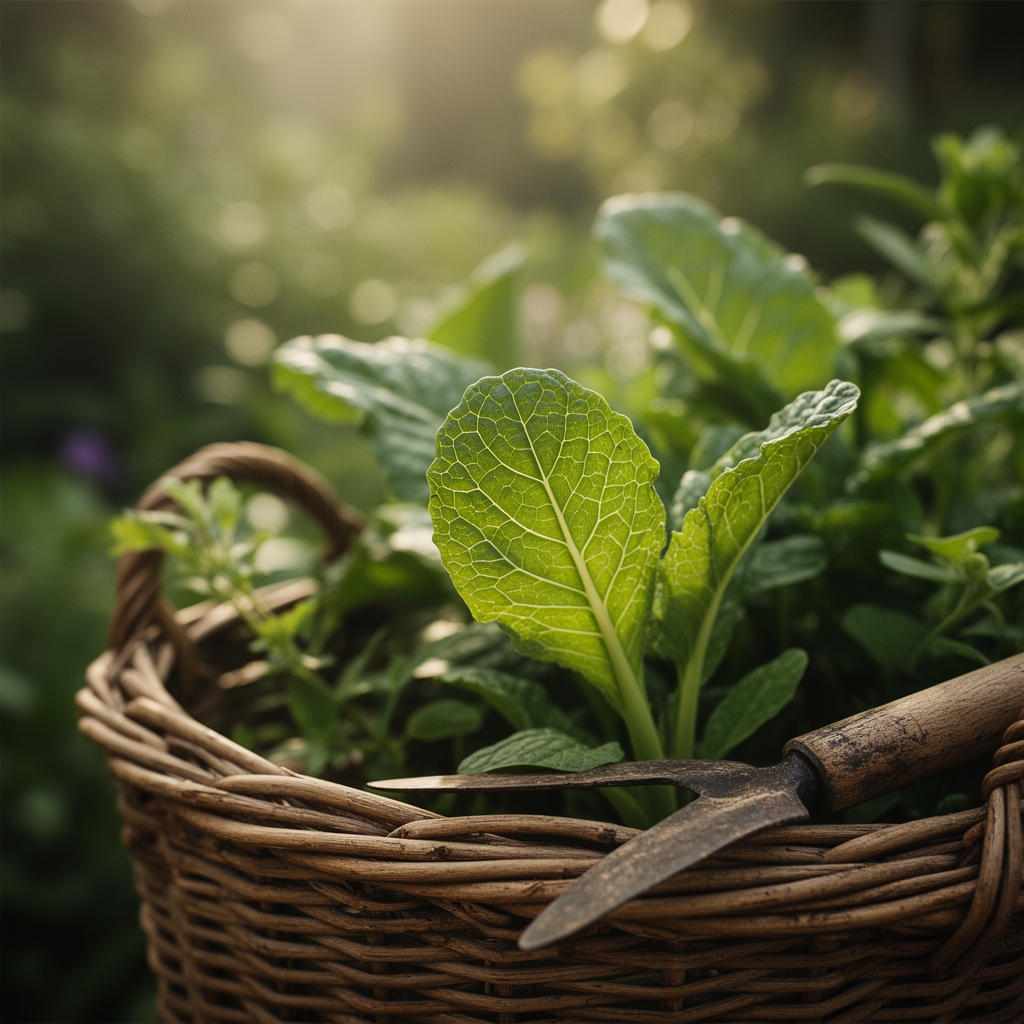
The black plastic nursery pot glares from beneath a fern's fronds, an industrial eyesore that undermines months of careful cultivation. Every serious grower faces this aesthetic problem: plants arrive in utilitarian containers that clash with curated interior or patio design. The best baskets for hiding plastic nursery pots solve this tension by providing structural camouflage while maintaining proper drainage, air circulation, and root-zone temperature control. These vessels transform a staging container into a permanent display solution without transplant shock or root disturbance.
Materials
Natural Fiber Baskets (pH-Neutral, No NPK)
Seagrass, water hyacinth, and banana leaf baskets offer zero leachate interference with soil chemistry. Their woven structure permits lateral air exchange, critical for maintaining oxygen levels in the rhizosphere. Cation exchange capacity remains unaffected. These materials decompose slowly indoors (3-5 years), faster in humid outdoor conditions (18-24 months).
Cedar and Teak Planters (Slight Acidifying Effect, pH 6.2-6.8)
Aromatic oils in cedar heartwood resist fungal colonization and provide natural pest deterrence without systemic pesticides. Tannin release acidifies surrounding media by approximately 0.3 pH units over 12 months. Pair with acid-loving genera: Rhododendron, Camellia, Vaccinium. No fertilizer contribution, but lignin breakdown supports saprophytic fungi.
Terracotta Cache Pots (Alkaline Drift, pH 7.2-7.8)
Calcium carbonate in fired clay gradually raises substrate pH through capillary moisture contact. Beneficial for Mediterranean herbs (Lavandula, Rosmarinus, Thymus) requiring alkaline conditions. Porosity creates evaporative cooling but demands higher irrigation frequency. Salt accumulation appears as white efflorescence; scrub monthly with 5% acetic acid solution.
Powder-Coated Metal (Inert, No pH Effect)
Steel and aluminum cachepots with interior powder coating prevent ion exchange. Dark finishes absorb radiant heat, raising root-zone temperature 4-7°F above ambient. Use only for tropical species with temperature optima above 70°F (Monstera, Philodendron, Alocasia). Install felt pads on base to prevent condensation staining.
Concrete and Hypertufa (Strongly Alkaline, pH 8.0-9.0 Initial)
Newly cured concrete leaches calcium hydroxide aggressively. Age vessels outdoors for minimum 60 days with weekly water flushes to neutralize alkalinity. After curing, ideal for succulents and cacti requiring sharp drainage and alkaline conditions. Apply masonry sealer to interior to slow continued lime release.
Timing
Basket selection aligns with seasonal display needs rather than planting calendars, but understanding your USDA Hardiness Zone informs material durability. In Zones 7-11, natural fiber baskets withstand year-round outdoor use if elevated on pot feet for drainage. Zones 3-6 require overwinter storage of porous materials to prevent frost fracture. Transition tender container plants indoors when nighttime temperatures consistently fall below 50°F, typically 3-4 weeks before average first frost date. Metal and concrete vessels tolerate freeze-thaw cycles but conduct cold directly to root balls; monitor soil temperature with a probe thermometer, maintaining minimums above each species' critical threshold.
Phases
Selection Phase
Measure nursery pot diameter at the rim, then select a basket 1.5-2 inches wider. This clearance permits air circulation while concealing plastic edges. Depth matters equally: basket height should match or exceed pot height by 0.5 inch minimum. Test drainage by placing the nursery pot inside and pouring 1 cup of water into the gap; it should drain within 30 seconds. Inadequate drainage creates anaerobic conditions that disrupt auxin distribution and promote Pythium root rot.
Pro-Tip: Apply mycorrhizal inoculant (Glomus intraradices) as a 1/4 teaspoon dusting around the root ball's exterior before insertion. Fungal hyphae establish within 14 days, increasing phosphorus uptake efficiency by 40-60%.
Installation Phase
Position a 1/2-inch layer of horticultural charcoal in the basket base to absorb dissolved organic compounds and prevent odor. Place the nursery pot centrally, checking vertical alignment. Fill gaps with decorative top dressing: sphagnum moss for acid-lovers, crushed granite for succulents, or coco coir for neutral substrates. Dressing should sit 1/4 inch below pot rim to prevent moisture wicking onto basket material.
Pro-Tip: For heavy clay pots in fiber baskets, install three 1-inch felt pads on the pot base. This distributes weight and prevents basket-bottom abrasion that accelerates decomposition.
Establishment Phase
Monitor soil moisture with a probe-style meter for 14 days post-installation. Basket materials alter evaporation rates: terracotta increases water loss 30%, metal decreases it 15%. Adjust irrigation schedules accordingly. Rotate baskets 90 degrees weekly to equalize phototropic growth and prevent asymmetric canopy development. Leaf surfaces should remain dust-free; blocked stomata reduce transpiration efficiency by up to 50%.
Pro-Tip: Apply foliar spray of 1/4-strength liquid kelp (0.1-0.1-0.1 NPK equivalent) every 10 days during establishment. Cytokinins in Ascophyllum nodosum extract accelerate lateral root production by stimulating cell division in the pericycle.
Troubleshooting
Symptom: White crystalline deposits on basket exterior
Solution: Salt accumulation from hard water or over-fertilization. Flush soil with distilled water at 2x pot volume. Switch to rainwater or reverse-osmosis water. Reduce fertilizer concentration by 50%.
Symptom: Basket material crumbling or flaking prematurely
Solution: Excessive moisture retention. Elevate basket on pot feet to increase air circulation beneath base. Reduce watering frequency by 20%. For fiber baskets, apply light coat of linseed oil annually to slow degradation.
Symptom: Green algae film on basket interior surfaces
Solution: Persistent moisture plus light exposure. Not harmful to plants but indicates poor drainage. Drill three 1/4-inch holes in basket base if absent. Increase gap spacing by upsizing basket by 1 inch.
Symptom: Root tips emerging through basket weave or drainage holes
Solution: Plant has outgrown nursery pot. Either transplant to larger container or root-prune by removing pot, trimming peripheral roots at 45-degree angles, and reinstalling. Root pruning stimulates lateral branching and delays pot-bound condition 6-8 months.
Symptom: Fungus gnats hovering around basket
Solution: Bradysia species breeding in moist organic top dressing. Remove and replace moss or coir with inorganic granite or glass mulch. Apply Bacillus thuringiensis subspecies israelensis (Bti) drench at label rate. Install yellow sticky cards for adult monitoring.
Maintenance
Water when top 1 inch of soil feels dry to touch, typically every 5-7 days for indoor specimens. Outdoor baskets in full sun may require daily irrigation during peak summer. Apply 1 inch of water per session, measuring with a rain gauge placed on soil surface. Fertilize every 14 days during active growth with balanced organic formula (4-4-4 or 5-5-5 NPK). Reduce to monthly applications during dormancy or low-light winter months. Clean basket exteriors quarterly with soft brush and pH-neutral soap; avoid bleach, which degrades natural fibers. Inspect drainage monthly: blocked holes reduce oxygen availability in root zone within 72 hours, triggering ethylene production and leaf abscission. Rotate baskets 180 degrees monthly to equalize light exposure on all foliage planes. Prune dead or yellowing leaves at petiole base using sterilized shears to prevent disease vector establishment.
FAQ
Can I plant directly in decorative baskets?
Most baskets lack adequate drainage for direct planting. Drilling holes may compromise structural integrity. The cache pot method provides drainage control while preserving basket aesthetics and longevity.
How do I prevent soil from falling through woven basket gaps?
Line basket interior with landscape fabric or burlap before inserting nursery pot. This barrier contains loose soil while maintaining breathability. Avoid plastic sheeting, which traps condensation and promotes anaerobic conditions.
Do basket materials affect plant health?
Inert materials (metal, sealed wood) cause no interference. Porous materials (terracotta, unsealed concrete) alter pH and moisture dynamics. Match basket chemistry to plant requirements: alkaline baskets for Mediterranean species, acidic or neutral for tropicals.
What basket size works for standard 6-inch nursery pots?
Select 7.5 to 8-inch diameter baskets. This provides 0.75-1 inch clearance on all sides for air circulation and drainage monitoring without excessive gap space that destabilizes the pot.
How often should I replace natural fiber baskets?
Indoor lifespan averages 3-4 years; outdoor exposure reduces this to 18-24 months. Replace when structural integrity weakens or base shows persistent moisture damage. Composting old baskets returns organic matter to garden beds.