8 Sturdy Steps to Build a Heavy Pea and Bean Trellis
The weight of a mature pole bean plant laden with pods can exceed 15 pounds per square foot of vertical space, and a poorly anchored trellis will buckle by mid-July. Steps for building a garden trellis for peas and beans demand attention to load tolerance, wind shear, and the climbing mechanics of legumes. A successful structure supports not only the vine mass but also the harvest labor of reaching, pulling, and repeated daily picking without sway or collapse.
Peas (Pisum sativum) and climbing beans (Phaseolus vulgaris, P. coccineus) evolved as scramblers, deploying tendrils or twining stems to ascend neighboring vegetation. Modern cultivars produce denser foliage and heavier pod loads than their wild progenitors, requiring engineered support. The steps for building a garden trellis for peas and beans outlined here prioritize structural redundancy, ease of harvest access, and multi-season durability.
Materials
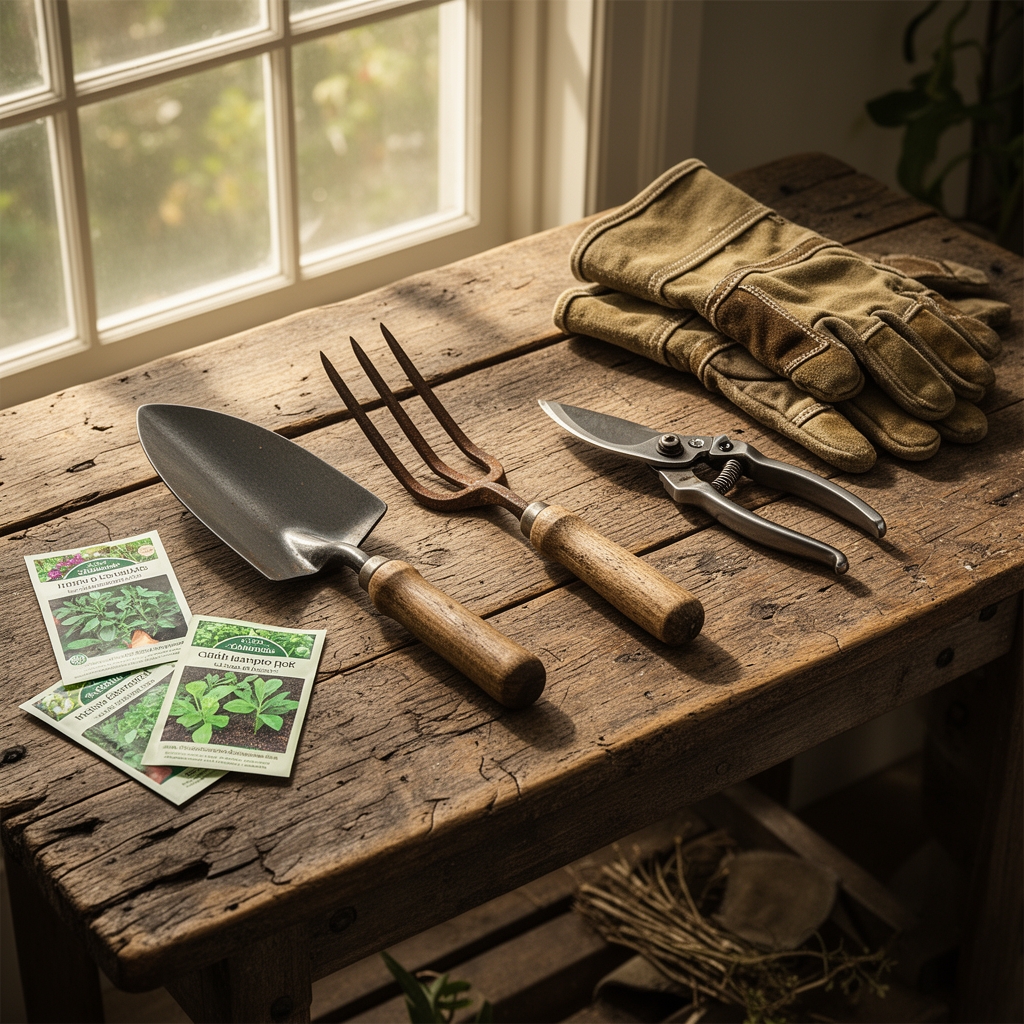
Select untreated lumber for all soil-contact components. Cedar or black locust heartwood resists decay for 8-12 years without chemical preservatives. Avoid pressure-treated pine; copper azole and alkaline copper quaternary leach ions that suppress mycorrhizal fungi colonization at root zones.
Vertical Posts (4×4 inch, 8 feet length): Anchor two posts 6-8 feet apart. Bury 24 inches below grade in tamped gravel for drainage and frost-heave resistance.
Horizontal Crossbars (2×4 inch, 8 feet length): Install one at 6 feet height for upper support, one at 12 inches for lower tensioning.
Trellis Netting (6-inch mesh): Polypropylene or jute. Jute biodegrades in 18 months; replace annually. Polypropylene lasts 5 seasons but requires disposal.
Fasteners: Galvanized 3-inch deck screws (pH-neutral, no rust leachate). Avoid aluminum; it releases ions toxic to legume root nodules at soil pH below 5.8.
Soil Amendment (optional): Apply 4-4-4 organic meal (blood meal, bone meal, kelp) at 2 pounds per 10 square feet if soil test reveals nitrogen below 20 ppm. Legumes fix atmospheric nitrogen via Rhizobium symbiosis but require phosphorus (P) for nodule formation and potassium (K) for pod fill.
Timing
Erect the trellis 2-3 weeks before sowing. This allows settling and lets you amend soil without navigating obstructions.
Peas (Zones 3-7): Sow 4-6 weeks before last spring frost. Soil temperature: 40-65°F. Fall crops: sow 8-10 weeks before first frost.
Beans (Zones 3-9): Sow 1 week after last frost. Soil temperature minimum: 60°F. Below 55°F, seed imbibition triggers fungal rot (Pythium spp.).
Install trellis no later than when seedlings reach 4 inches. Transplanting disturbs shallow feeder roots and severs early mycorrhizal networks, reducing phosphorus uptake by 30-40%.
Phases
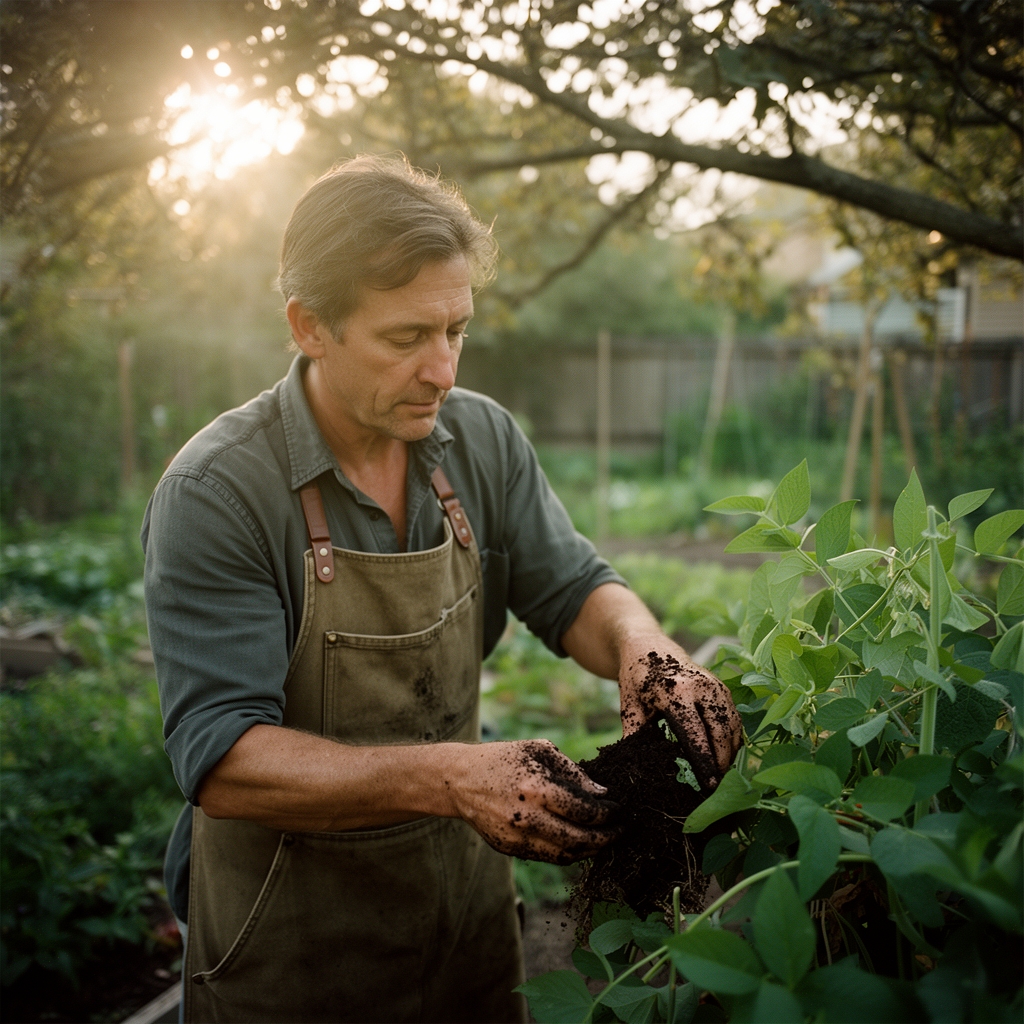
Sowing Phase
Inoculate seed with Rhizobium leguminosarum (peas) or R. phaseoli (beans) if the bed is new or untested for nodulation. Coat seed with powdered inoculant immediately before sowing; exposure to UV light kills bacteria within 20 minutes. Plant 1 inch deep, 3 inches apart, in rows 6 inches from trellis base. Water to field capacity (soil holds moisture but drains freely).
Pro-Tip: Apply chelated iron (Fe-EDDHA) foliar spray at 0.5 oz per gallon if leaves emerge pale. High soil pH (above 7.2) locks iron, reducing chlorophyll synthesis and auxin distribution to climbing tendrils.
Transplanting Phase
If starting indoors, harden seedlings over 5 days. Transplant at first true leaf, disturbing roots minimally. Legume taproots lack adventitious branching; severed tips stunt vertical growth permanently. Plant at same depth as original container to preserve root-shoot hormone balance.
Pro-Tip: Pinch growing tip of pea seedlings at 6 inches to promote lateral branching. This doubles the number of flower nodes and increases yield by 25-35%.
Establishing Phase
Guide first tendrils or twining stems to netting manually. Once contact is made, apical dominance and phototropism drive upward growth. Thin plants to 6 inches apart at 3 weeks. Overcrowding raises humidity in the canopy, inviting powdery mildew (Erysiphe polygoni).
Pro-Tip: Prune lowest 8 inches of foliage at flowering. Airflow reduces leaf wetness duration, the primary predictor of fungal spore germination. Remove prunings from garden; they harbor thrips and aphid eggs.
Troubleshooting
Symptom: Yellowing lower leaves, stunted growth, few nodules.
Solution: Soil nitrogen excess. High N (above 30 ppm) suppresses nodulation. Cease fertilization. Roots will resume Rhizobium infection within 10 days.
Symptom: White powdery coating on leaves, premature pod drop.
Solution: Powdery mildew. Apply sulfur dust (90% wettable) at 3 lb per 1,000 sq ft. Reapply every 7 days. Increase plant spacing next season.
Symptom: Holes in leaves, black frass on foliage.
Solution: Mexican bean beetle (Epilachna varivestis). Handpick adults and yellow egg clusters on leaf undersides. Spinosad spray (0.5 oz per gallon) controls larvae.
Symptom: Wilting despite moist soil, brown vascular streaks in stem.
Solution: Fusarium wilt. No cure. Remove infected plants immediately. Rotate legumes to different bed for 3 years. Soil solarization (clear plastic, 4-6 weeks) kills chlamydospores.
Symptom: Pods twisted, seeds shriveled.
Solution: Potassium deficiency. Cation exchange capacity below 10 meq/100g limits K retention. Broadcast sulfate of potash (0-0-50) at 1 lb per 100 sq ft. Water deeply.
Maintenance
Water 1 inch per week during flowering and pod set. Use drip irrigation or soaker hose; overhead watering spreads bacterial blight (Pseudomonas syringae).
Mulch with 2 inches of straw to moderate soil temperature and suppress weeds. Avoid fresh wood chips; decomposition immobilizes nitrogen.
Harvest every 48 hours once pods form. Over-mature pods signal the plant to halt flowering, cutting yield by half.
FAQ
When should I remove the trellis?
After first killing frost. Cut vines at soil line. Leave roots in place; they release fixed nitrogen as nodules decompose.
Can I use the same trellis for tomatoes?
Yes, but sanitize with 10% bleach solution. Legumes and nightshades share few pathogens, but aphids overwinter on wooden surfaces.
What spacing works for runner beans?
8 inches between plants. Phaseolus coccineus produces 30% more biomass than common beans.
Do I need to fertilize mid-season?
Only if pods yellow prematurely. Foliar kelp spray (1 tbsp per gallon) supplies micronutrients without excess nitrogen.
How much wind can the trellis handle?
40 mph sustained if posts are sunk 24 inches and lateral crossbracing is installed. Add diagonal 2×4 braces in exposed sites.