8 Descaling Steps to Clean a Decorative Plant Mister
The white crust forming along the copper rim of your decorative plant mister is calcium carbonate, a mineral deposit that clogs the nozzle and ruins the fine spray pattern your tropical foliage depends on. Regular descaling preserves both function and aesthetics. The steps for cleaning a decorative plant mister involve acid dissolution of mineral scale, mechanical removal of biofilm, and protective conditioning to prevent corrosion.
Materials
Acidic Descaling Agents (pH 2.0–3.5)
White vinegar (acetic acid, 5% concentration) serves as the primary descaling solution. For heavy mineral buildup, citric acid powder mixed at 2 tablespoons per quart of water (pH 2.2) provides stronger chelation. Avoid hydrochloric or sulfuric acids, which corrode brass and copper components.
Mechanical Tools
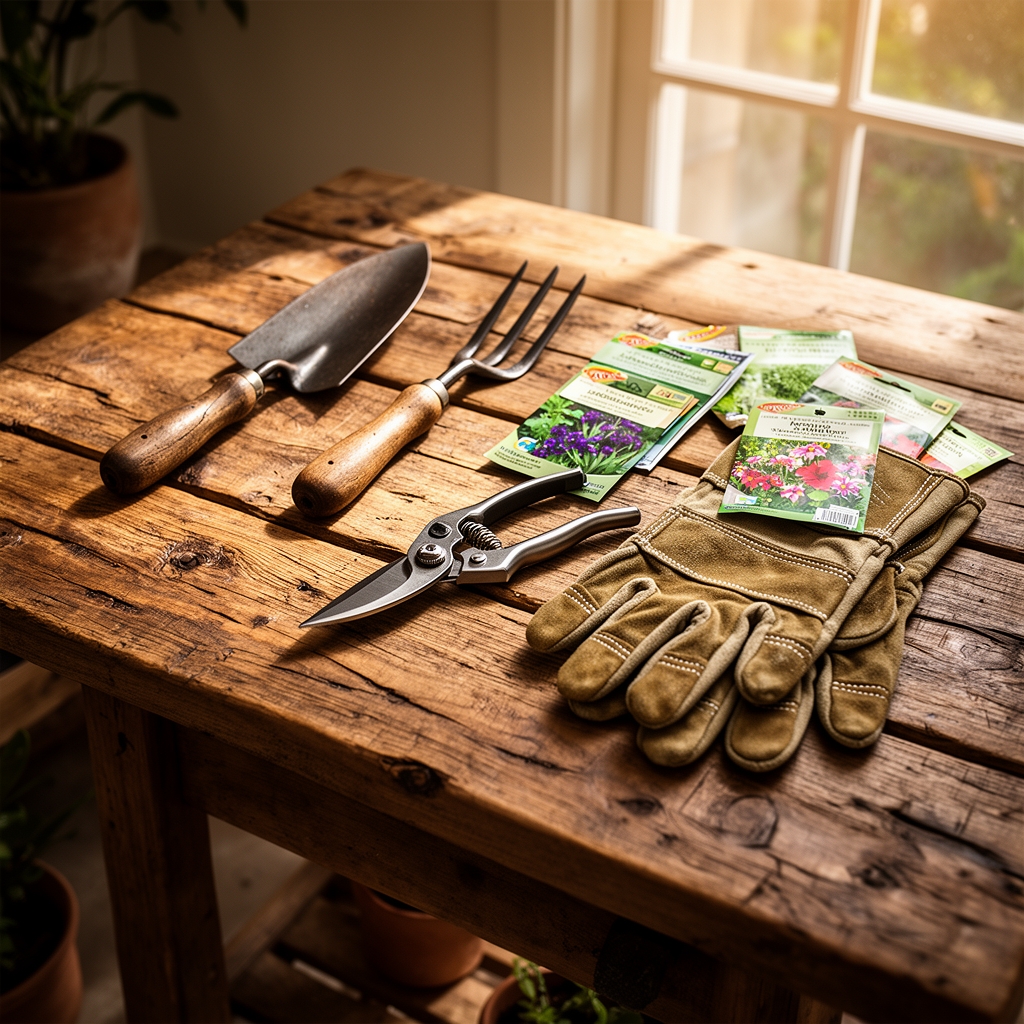
Nylon brushes (3mm diameter), cotton swabs, and wooden toothpicks remove loosened deposits without scratching metal surfaces. A 20-gauge stainless steel wire clears clogged spray orifices. Microfiber cloths prevent lint contamination during final polishing.
Protective Conditioning Agents
Food-grade mineral oil (pH neutral) forms a protective barrier on brass and copper. For misters with ornamental patina, Renaissance Wax (microcrystalline formula) preserves the aged finish while preventing future scaling.
Timing
Schedule deep cleaning every 30 days in hardiness zones 9–11, where year-round misting maintains humidity for epiphytes and aroids. In zones 4–8, descale every 45 days during active growing season (last frost date through first frost minus 60 days). Hard water regions (total dissolved solids above 180 ppm) require biweekly maintenance. Perform cleaning when day length drops below 12 hours to minimize stress on plants awaiting their misting schedule.
Phases
Phase 1: Disassembly and Initial Soak
Remove the pump mechanism, spray nozzle, and decorative cap. Submerge all non-rubber components in white vinegar for 45 minutes. The acetic acid dissolves calcium carbonate through ion exchange, releasing CO2 bubbles as visual confirmation of descaling action. Rubber gaskets soak separately in warm distilled water to prevent degradation. Check the cation exchange capacity of your water source; above 250 ppm calcium requires citric acid instead.
Pro-Tip: Add 1 teaspoon of non-iodized salt per cup of vinegar to accelerate calcium dissolution through enhanced electrolytic action.
Phase 2: Mechanical Cleaning
Scrub internal reservoir walls with a nylon brush using circular motions at 45-degree angles to dislodge biofilm. Biofilm harbors bacteria that convert dissolved minerals into stubborn gel matrices. Thread the 20-gauge wire through spray orifices six times, rotating 60 degrees between passes. This mimics the auxin distribution pattern in apical meristems: radial and thorough. Cotton swabs dipped in citric acid solution remove scale from decorative etching and narrow channels.

Pro-Tip: Inspect rubber pump seals under magnification for hairline cracks. Replace annually to prevent pressure loss that reduces droplet atomization from 50 microns to 200 microns.
Phase 3: Rinse and Conditioning
Flush all components with distilled water (pH 7.0, TDS below 10 ppm) six times. Tap water reintroduces minerals and negates descaling efforts. Air-dry components for 2 hours in indirect light; direct sun causes uneven thermal expansion in brass assemblies. Apply mineral oil to metal surfaces using a lint-free cloth, buffing in the direction of the grain. For patinated copper, apply Renaissance Wax in thin layers (0.1mm thickness) and buff after 10 minutes.
Pro-Tip: Store mister with pump plunger in neutral position. Compressed storage degrades rubber diaphragms through constant compression stress, reducing lifespan by 40%.
Troubleshooting
Symptom: White Powder Reforms Within One Week
Solution: Install an inline water filter (0.5-micron activated carbon) or switch to distilled water. Test source water TDS. Above 300 ppm requires reverse osmosis filtration. Mineral redeposition occurs when evaporation rates exceed 2ml per hour at room temperature.
Symptom: Spray Pattern Becomes Stream Instead of Mist
Solution: Nozzle orifice has expanded from acid over-exposure or mechanical damage. Replace nozzle assembly. Original orifices measure 0.3–0.5mm diameter. Enlargement to 0.7mm converts mist to droplets, increasing leaf disease risk through prolonged surface wetness.
Symptom: Metallic Taste in Water Reservoir
Solution: Copper oxidation from incomplete rinsing. Flush with baking soda solution (1 tablespoon per quart, pH 8.3) to neutralize residual acid, then rinse eight times with distilled water. Copper ions above 0.5 ppm inhibit mycorrhizal fungi colonization in misted seedlings.
Symptom: Green Algae Growth in Reservoir
Solution: Light penetration through decorative glass or crystal. Store in opaque location. Add 1 drop of 3% hydrogen peroxide per 8 ounces of water. This concentration eliminates photosynthetic organisms without phytotoxicity to foliage.
Maintenance
Rinse reservoir with distilled water after each use. Refill only with water at room temperature (68–72°F) to prevent thermal shock to plant tissues. Empty completely every 3 days to prevent bacterial colonization. Bacterial counts exceed 10^6 CFU/ml after 72 hours in stagnant water, causing foliar spotting. Store mister in conditions between 50–70% relative humidity. Below 50%, rubber components desiccate. Above 70%, internal mold develops on organic residues.
FAQ
How often should I descale my plant mister?
Every 30 days with moderate use (10 sprays daily) in hard water regions. Extend to 45 days with distilled water or soft water below 60 ppm TDS.
Can I use lemon juice instead of vinegar?
Yes. Fresh lemon juice provides citric acid at pH 2.3. Strain pulp to prevent organic debris in spray mechanisms. Use within 24 hours; degraded juice loses acidity.
Will descaling damage antique brass finishes?
Vinegar at 5% concentration is safe for brass when exposure stays under 60 minutes. Test on inconspicuous areas first. Never use abrasive pads on plated finishes.
What causes the nozzle to drip after spraying?
Worn pump seal or debris blocking the check valve. Replace rubber components or clear valve with 30-second citric acid soak followed by compressed air purge.
Is it safe to mist edible plants after descaling?
Yes, after eight distilled water rinses. Residual acetic acid dissipates completely. Test pH of misted water; it should read 6.5–7.5 before use on culinary herbs.