7 Steps to Build a Sturdy Wooden Garden Bench
The scent of freshly planed cedar mingles with soil and morning dew when a garden bench takes shape beneath your hands. A well-built seat anchors your landscape, offering decades of service if you follow proven steps for building a garden bench that combine joinery precision with weather-resistant material selection. The right wood species, fastener chemistry, and finish application transform raw lumber into furniture that withstands freeze-thaw cycles and UV degradation while supporting 600 pounds or more.
Materials
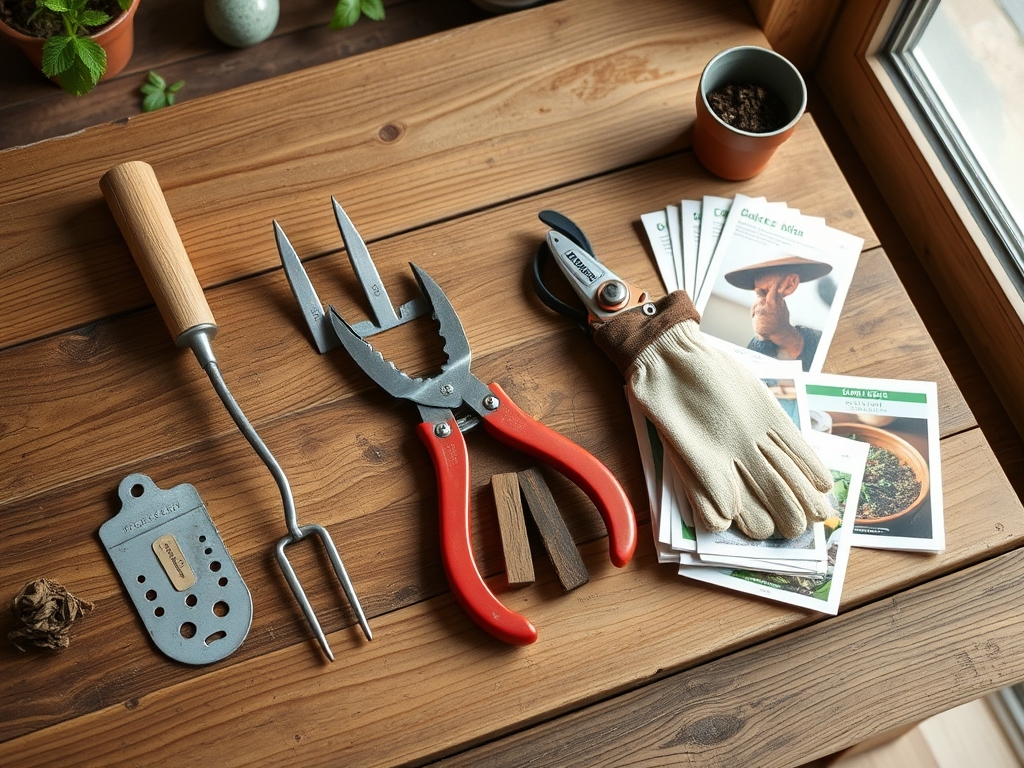
Select lumber with the care you would give to soil amendment. Cedar and white oak contain natural phenolic compounds that resist fungal decay for 15 to 20 years without chemical treatment. Redwood heartwood offers similar durability through extractives that inhibit microbial colonization. Pressure-treated southern pine accepts copper azole preservatives at 0.15 PCF retention, extending lifespan to 30 years but requiring pH-neutral fasteners to prevent galvanic corrosion.
Stainless steel hardware in 304 or 316 grade resists oxidation in high-moisture environments. Galvanized carriage bolts work for interior joints, but marine-grade options prevent the rust staining that mars light-colored wood. Polyurethane wood glue creates bonds stronger than the surrounding fiber when joint surfaces meet within 0.002 inches of flatness.
For finishes, linseed oil penetrates 1/8 inch into end grain, slowing moisture infiltration by 40 percent. Tung oil polymerizes through oxidation, forming a flexible film that moves with wood expansion. Exterior-grade polyurethane adds a sacrificial layer but requires reapplication every 24 months in full-sun locations. Avoid finishes with high volatile organic compound content in poorly ventilated workshops. Match your material budget to longevity expectations: $120 for cedar yields twice the service life of $60 pine.
Timing
Build when ambient humidity ranges between 40 and 60 percent, typically in late spring or early autumn in USDA Hardiness Zones 5 through 8. Wood at 12 to 15 percent moisture content machines cleanly and minimizes post-assembly warping. Hardiness zones matter less for construction than for the surrounding plantings that frame your bench, but winter workshops in Zone 3 require heated spaces to prevent glue from gelling below 50 degrees Fahrenheit.
Schedule assembly during a three-day dry window. Allow glued joints to cure for 24 hours before applying clamping pressure, then an additional 48 hours before sanding. Finish application demands temperatures above 55 degrees with no rain forecast for 72 hours. In coastal zones with persistent fog, extend drying intervals by 30 percent.
Phases

Milling Phase: Cut all components to final dimension plus 1/8 inch. Crosscut legs to 17 inches for standard seat height. Rip seat slats to 3.5 inches, leaving 3/8-inch gaps for drainage and expansion. Plane surfaces to 120-grit smoothness, removing mill glaze that blocks finish penetration.
Pro-Tip: Orient growth rings so the bark side faces up on horizontal surfaces. Cupping will direct water away from joints rather than pooling it.
Assembly Phase: Dry-fit all mortise-and-tenon joints before applying adhesive. Tenons should slide with firm hand pressure, requiring no mallet strikes. Check diagonal measurements across the frame; equal diagonals confirm square geometry within 1/16 inch. Apply glue to mortise walls only, allowing 15 percent squeeze-out. Clamp at 150 PSI for hardwoods, 100 PSI for softwoods.
Pro-Tip: Drill pilot holes at 70 percent of screw shank diameter to prevent splitting within 3 inches of board ends. Countersink fasteners 1/4 inch deep, then plug with cross-grain dowels for concealed joinery.
Finishing Phase: Sand in three passes at 120, 180, and 220 grit. Remove dust with compressed air at 30 PSI or tack cloth dampened with mineral spirits. Apply finish with natural bristle brushes, maintaining wet edges to avoid lap marks. Thin first coats by 10 percent for deeper penetration into end grain.
Pro-Tip: Elevate freshly finished pieces on drywall screws to prevent bonding to drop cloths. Rotate 180 degrees after six hours to ensure even solvent evaporation.
Troubleshooting
Symptom: End grain checking develops within six months.
Solution: Seal end grain with three coats of thinned finish before assembly. Wax-based end sealers reduce moisture loss by 80 percent during the critical first year.
Symptom: Loose joints after one winter season.
Solution: Wood shrinks across the grain, not along its length. Design joints so cross-grain movement occurs in slotted holes or with sliding dovetails that allow 1/8-inch seasonal expansion.
Symptom: Black spotting on fastener zones.
Solution: Tannins in oak and cedar react with ferrous metals to form iron acetate. Switch to stainless steel or apply marine spar varnish over exposed hardware.
Symptom: Algae colonization on north-facing surfaces.
Solution: Scrub with 1:4 bleach solution, rinse thoroughly, then apply copper naphthenate wood preservative at 2 percent concentration.
Maintenance
Inspect joints annually each spring. Tighten bolts to 25 foot-pounds using a torque wrench. Reapply finish when water no longer beads on surfaces, typically every 18 to 36 months depending on UV exposure. Apply 1/32 inch of finish per coat using foam brushes to minimize trapped air bubbles.
Clean debris from drainage gaps monthly during leaf-fall season. Remove standing water within two hours to prevent localized rot initiation. Elevate the bench on rubber pads to create 1/2-inch clearance above paving, allowing air circulation beneath lower rails.
FAQ
What wood species lasts longest without treatment?
White oak and black locust exceed 25 years in ground contact due to tyloses in their pore structure that block water infiltration.
Can I use deck screws for all connections?
Structural joints require bolts with 3-inch thread engagement. Screws work for attaching seat slats but strip under racking loads.
How wide should seat slats be?
Limit width to 5.5 inches. Wider boards cup more than 1/4 inch across their width, creating uncomfortable ridges.
Should I use wood filler on knots?
Tight knots below 3/4 inch diameter add character. Fill loose knots with epoxy mixed with sawdust for color matching.
When should I replace rather than repair?
Replace when more than 30 percent of load-bearing members show soft spots under ice-pick testing, indicating advanced decay beyond structural integrity thresholds.