7 Soil Needs to Prepare a Native Heirloom Garden
Growing heirloom tomatoes, squash, and beans in soil that has supported native ecosystems for centuries demands precise preparation. When you learn how to prepare a garden for a heirloom vegetable garden, you preserve genetic diversity while building soil structure that matches the nutritional demands of pre-1950 cultivars. These open-pollinated varieties allocate photosynthates differently than modern hybrids, requiring higher calcium availability and slower nitrogen release to prevent excess vegetative growth at the expense of fruit set.
Materials
Soil pH between 6.2 and 6.8 supports optimal cation exchange capacity for heirloom vegetables. Test kits measuring both pH and electrical conductivity reveal whether amendment is necessary before planting. For acidic soils below 6.0, apply dolomitic limestone at 5 pounds per 100 square feet to raise pH by 0.5 units. For alkaline soils above 7.2, incorporate elemental sulfur at 1 pound per 100 square feet.
Balanced organic fertilizer rated 4-4-4 provides the foundation. This NPK ratio supplies 4% nitrogen, 4% phosphorus, and 4% potassium by weight. Heirloom varieties respond well to alfalfa meal (3-1-2), which releases nitrogen gradually over 6 to 8 weeks. Bone meal (3-15-0) adds phosphorus critical for root development in transplants. Kelp meal (1-0-2) contributes trace minerals including boron, which prevents blossom-end rot in tomatoes and hollow heart in brassicas.
Compost aged for 12 months minimum should test between 1.0 and 2.0% nitrogen on a dry-weight basis. Younger compost can immobilize soil nitrogen as microbial populations explode during decomposition. Vermicompost from red wiggler bins introduces beneficial microbes at concentrations exceeding 10^9 colony-forming units per gram.
Mycorrhizal inoculant containing Glomus intraradices and Glomus mosseae extends root surface area by 100 to 1,000 times. Apply directly to transplant holes at 1 teaspoon per plant. The fungal hyphae colonize root cortex cells and exchange soil phosphorus for plant carbohydrates.
Timing
Hardiness zones dictate when soil temperatures allow microbial activity to resume. In zones 5 through 7, soil preparation begins 4 to 6 weeks before the last expected spring frost. Soil temperatures must reach 50°F at 4-inch depth before incorporating amendments. Microbial populations remain dormant below this threshold, preventing nutrient cycling.
In zones 8 through 10, prepare beds in late winter when soil moisture content allows tillage without compaction. Squeeze a handful of soil into a ball. If it crumbles when poked, moisture is adequate. If it holds shape and feels sticky, delay work to prevent destroying soil structure.
Fall preparation offers advantages in all zones. Amendments applied in October and November undergo weathering and microbial processing over winter. Freezing and thawing cycles break apart clay aggregates and incorporate organic matter without mechanical mixing.
Phases

Sowing Phase
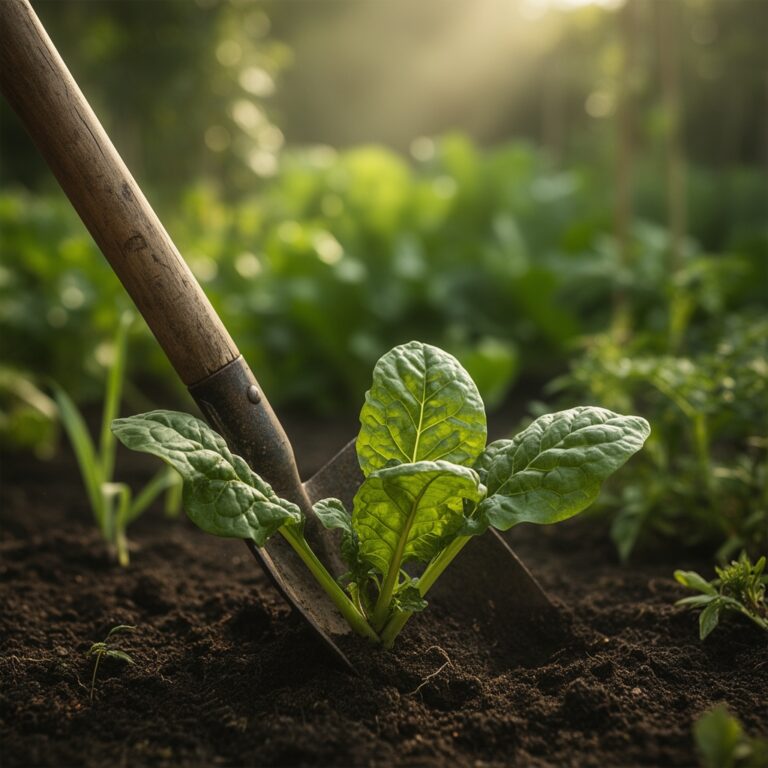
Remove existing vegetation to 2-inch depth with a hoe or sod cutter. Leave roots in place when possible. Dead root channels become macropores for water infiltration and oxygen diffusion. Spread 2 inches of finished compost across the bed surface. Broadcast 4-4-4 fertilizer at 2 pounds per 100 square feet. Work amendments to 8-inch depth with a spading fork.
Create raised beds 4 inches high and 36 inches wide. Elevation improves drainage in clay soils and warms root zones 3 to 5 degrees earlier in spring. Rake beds smooth and allow 2 weeks for soil settling before sowing.
Pro-Tip: Apply mycorrhizal inoculant as a slurry mixed with water at transplanting rather than broadcasting. Direct root contact initiates colonization within 48 hours.
Transplanting Phase
Dig holes twice the width of transplant root balls. Mix bone meal at 1 tablespoon per hole into backfill soil. This concentrates phosphorus in the root zone where auxin distribution promotes lateral root branching. Set transplants at the same depth they grew in containers, except tomatoes. Bury tomato stems to the first true leaves. Adventitious roots form along buried stems within 7 days.
Water transplants with 1 cup of solution containing 1 tablespoon fish emulsion per gallon. The 5-1-1 NPK ratio in fish emulsion stimulates root growth without excess vegetative push. Apply mulch in a 4-inch layer, keeping material 2 inches away from stems to prevent collar rot.
Pro-Tip: Transplant in late afternoon or on overcast days. Reduced light intensity decreases transpiration stress during the critical 72-hour establishment window.
Establishing Phase
Monitor soil moisture with a probe to 6-inch depth. Most heirloom vegetables require consistent moisture during flowering and fruit set. Irregular watering causes calcium uptake disruption and physiological disorders.
Side-dress plants 4 weeks after transplanting with additional 4-4-4 fertilizer at 1 pound per 100 square feet. Scratch into soil 6 inches from plant stems and water thoroughly. Heirloom tomatoes benefit from a second application at first fruit set.
Pro-Tip: Prune tomato suckers at 45-degree angles when shoots reach 2 inches. This angle sheds water and reduces fungal infection at wound sites.
Troubleshooting
Symptom: Yellow leaves with green veins on new growth.
Solution: Iron chlorosis from high soil pH. Apply chelated iron at 1 tablespoon per gallon as foliar spray. Lower pH gradually with elemental sulfur over the following season.
Symptom: Brown, sunken spots on blossom end of tomatoes and peppers.
Solution: Blossom-end rot from calcium deficiency. Maintain even soil moisture. Side-dress with gypsum (calcium sulfate) at 2 pounds per 100 square feet.
Symptom: Stunted plants with purple-tinged leaves.
Solution: Phosphorus deficiency in cold soil below 55°F. Apply liquid phosphorus starter (0-10-10) weekly until soil warms and root growth resumes.
Symptom: Wilting despite adequate soil moisture.
Solution: Check for cutworm damage at soil line. Install 3-inch cardboard collars around transplants, pressing 1 inch into soil.
Symptom: Powdery white coating on leaf surfaces.
Solution: Powdery mildew from poor air circulation. Space plants according to mature size recommendations. Apply sulfur fungicide at 3 tablespoons per gallon every 7 days.
Maintenance
Water to deliver 1 inch per week measured in rain gauges placed at soil level. Deep watering once weekly encourages roots to 12-inch depth rather than shallow daily watering that keeps roots in the top 3 inches. Soaker hoses or drip irrigation reduce foliar diseases by keeping leaves dry.
Weed when seedlings reach 1 inch height. Larger weeds develop extensive root systems that disturb vegetable roots during removal. Hand pull within 4 inches of plant stems. Hoe between rows weekly to severe weed seedlings at soil level.
Mulch depth decreases through the season as material decomposes. Replenish to maintain 3 to 4 inches. Organic mulch moderates soil temperature fluctuations of 15 degrees between day and night to less than 5 degrees.
Remove diseased plant material immediately. Do not compost leaves or stems showing fungal or bacterial symptoms. Pathogens survive composting unless piles reach 140°F for 3 consecutive days.
FAQ
When should I start soil preparation?
Begin 6 weeks before your last spring frost date or in fall for spring planting. Soil temperature above 50°F ensures microbial activity processes amendments.
What NPK ratio works best for heirlooms?
Balanced 4-4-4 or 5-5-5 organic fertilizers support steady growth without excess nitrogen that delays fruiting in determinate varieties.
How deep should I work amendments?
Incorporate to 8-inch depth where most feeder roots concentrate. Deeper tillage disrupts soil structure and buries organic matter beyond the active microbial zone.
Can I use synthetic fertilizers?
Synthetic sources provide nutrients but do not build soil organic matter or support beneficial microbial populations that heirlooms rely on for disease resistance.
How often do I reapply amendments?
Annual compost additions of 1 to 2 inches maintain organic matter. Test soil every 3 years to adjust pH and nutrient levels based on crop removal rates.