7 Foliage Benefits of Using a Liquid Kelp Fertilizer
Using a liquid kelp fertilizer for indoor plants delivers concentrated marine phytohormones directly to root zones and foliar surfaces. The brown seaweeds harvested from cold North Atlantic waters contain over 70 minerals, cytokinins, and auxins that indoor specimens rarely access through standard potting media. This biological extract transforms chlorophyll density, strengthens cell walls, and accelerates nutrient uptake in containerized environments where soil microbiome diversity remains limited.
Materials
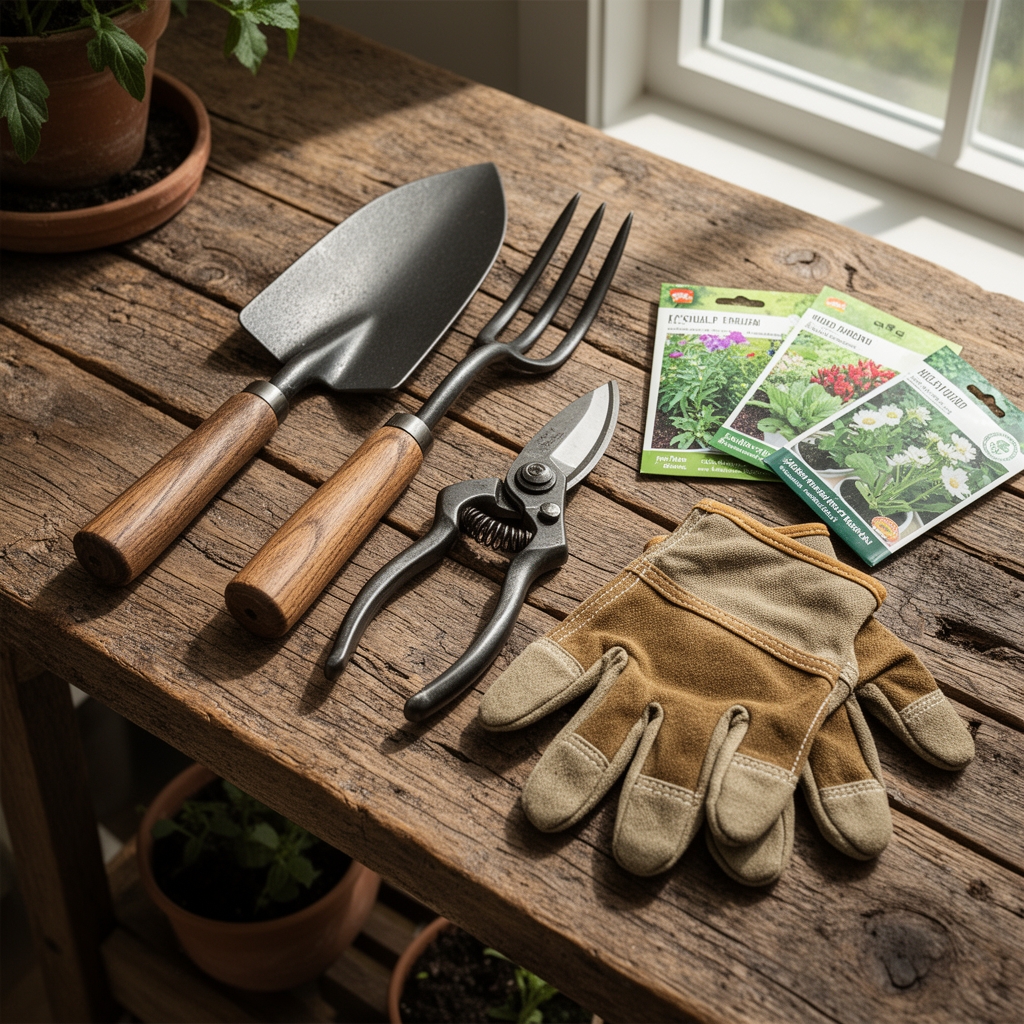
Select a liquid kelp concentrate with an NPK ratio near 1-0.1-2, typically derived from Ascophyllum nodosum or Ecklonia maxima species. These formulations maintain a pH between 6.5 and 7.5, compatible with most soilless potting mixes containing sphagnum peat, coir, and perlite. Pair kelp extracts with a balanced organic fertilizer rated 4-4-4 or 5-5-5 to supply baseline macronutrients. Ensure the product lists "cold-processed" or "enzymatically digested" on the label, preserving heat-sensitive cytokinins and gibberellins. Keep a spray bottle dedicated to foliar application and a separate measuring syringe for soil drenches. Purchase distilled water if municipal sources exceed 150 ppm dissolved solids, which can bind alginates and reduce efficacy.
Timing
Indoor environments eliminate traditional frost-date constraints, but seasonal light intensity still governs application schedules. Begin kelp treatments in early March when day length extends beyond 11 hours, triggering active growth in temperate species. For growers in USDA Hardiness Zones 3 through 7, increase application frequency from bi-weekly in winter to weekly during May through August. Southern zones 8 through 10 require year-round consistency but reduce concentration by 25 percent during dormancy periods. Tropical species maintained above 65°F respond to kelp every seven to ten days regardless of outdoor season. Succulents and cacti benefit from monthly applications, aligned with their reduced metabolic rates.
Phases

Sowing
Soak seeds in a 1:500 kelp-to-water solution for six to twelve hours before planting. The alginic acid in kelp swells seed coats and accelerates imbibition, reducing germination time by 20 to 30 percent. After sowing in sterile seed-starting mix, mist flats with a 1:750 dilution every three days until cotyledons emerge. The natural auxins promote lateral root initiation, establishing a dense root mat within the cell pack.
Pro-Tip: Inoculate seedling trays with Rhizophagus irregularis spores immediately after the first true leaves appear. Kelp polysaccharides feed mycorrhizal fungi, increasing phosphorus uptake by 40 percent in low-nutrient media.
Transplanting
Drench root balls in a 1:400 kelp solution 24 hours before moving plants to larger containers. This pre-treatment loads tissues with betaines and mannitol, osmotic compounds that reduce transplant shock. Water transplants with the same dilution immediately after potting, saturating the entire root zone. The cytokinins in kelp delay senescence of damaged root hairs, allowing faster establishment in fresh media.
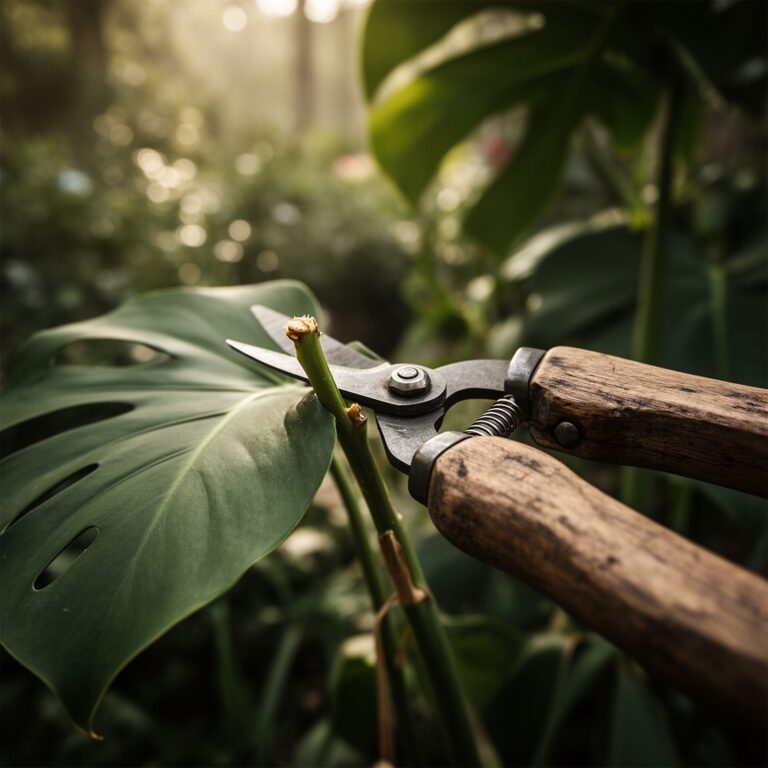
Pro-Tip: Prune circling roots at a 45-degree angle with sterilized shears before transplanting. Apply kelp solution directly to cut surfaces to stimulate adventitious root formation along the wounds.
Establishing
Apply kelp as a foliar spray at 1:500 dilution every ten days for the first six weeks post-transplant. Target the abaxial leaf surfaces where stomatal density peaks, allowing direct absorption of trace elements like boron, zinc, and molybdenum. Soil drenches at the same rate alternate with foliar feeds, building cation exchange capacity through kelp-derived humic precursors. Monitor new growth for deep green coloration and reduced internodal spacing, indicators of optimal cytokinin activity.
Pro-Tip: Measure leaf thickness with a digital caliper before and after establishment. Kelp increases mesophyll cell turgidity, adding 0.05 to 0.10 millimeters to lamina depth within 45 days.
Troubleshooting
Symptom: Marginal leaf necrosis with brown, crispy edges appearing within three days of application.
Solution: Reduce kelp concentration by 50 percent. Excess sodium in some formulations causes salt accumulation in high-transpiration species like ferns and calatheas. Flush containers with three times the pot volume of distilled water, then resume at 1:800 dilution.
Symptom: Yellowing lower leaves despite regular kelp applications.
Solution: Kelp does not replace nitrogen. Add a blood meal top-dressing at 1 tablespoon per gallon of soil or switch to a liquid fish emulsion rated 5-1-1, applied weekly between kelp treatments.
Symptom: White crystalline deposits on soil surface after kelp drenches.
Solution: Salts from concentrated kelp products precipitate in low-humidity environments. Top-dress with 0.5 inches of worm castings to buffer pH and improve moisture retention. Increase ambient humidity to 50 percent minimum.
Symptom: Spider mites proliferate after foliar kelp sprays.
Solution: Kelp sugars can attract pests if applied in stagnant air. Ensure ventilation with a 6-inch circulation fan. Mix 5 milliliters of insecticidal soap per liter of kelp solution for integrated pest management.
Maintenance
Dilute liquid kelp to 1:600 for routine maintenance feeding every 14 days during active growth. Apply 250 milliliters per 6-inch pot, 500 milliliters per gallon container, increasing proportionally for larger vessels. Water plants with 0.5 inches of liquid measured by inserting a wooden dowel 2 inches into the soil between feedings. Prune damaged foliage monthly to redirect auxins toward new growth points. Rotate containers one-quarter turn weekly to equalize light exposure and prevent phototropic lean. Repot every 18 to 24 months when roots emerge from drainage holes, refreshing media to maintain aeration and cation exchange sites.
FAQ
How quickly do plants respond to kelp applications?
Foliar sprays produce visible greening within 72 hours as chloroplasts absorb magnesium and iron chelates. Root drenches require seven to ten days for measurable growth changes.
Can kelp burn plant roots?
Properly diluted kelp at 1:500 or weaker cannot burn roots. Concentrations exceeding 1:200 may cause osmotic stress in salt-sensitive species like orchids and African violets.
Does kelp replace complete fertilizers?
No. Kelp provides trace minerals and growth hormones but lacks sufficient nitrogen, phosphorus, and potassium. Use kelp as a supplement to balanced NPK fertilizers.
Which indoor plants benefit most from kelp?
Aroids, ferns, and foliage tropicals with high transpiration rates show the greatest response. Succulents and bromeliads require reduced frequency due to slower metabolic turnover.
Should kelp be refrigerated after opening?
Yes. Store opened bottles at 35 to 40°F to prevent microbial degradation of bioactive compounds. Use within six months for maximum potency.