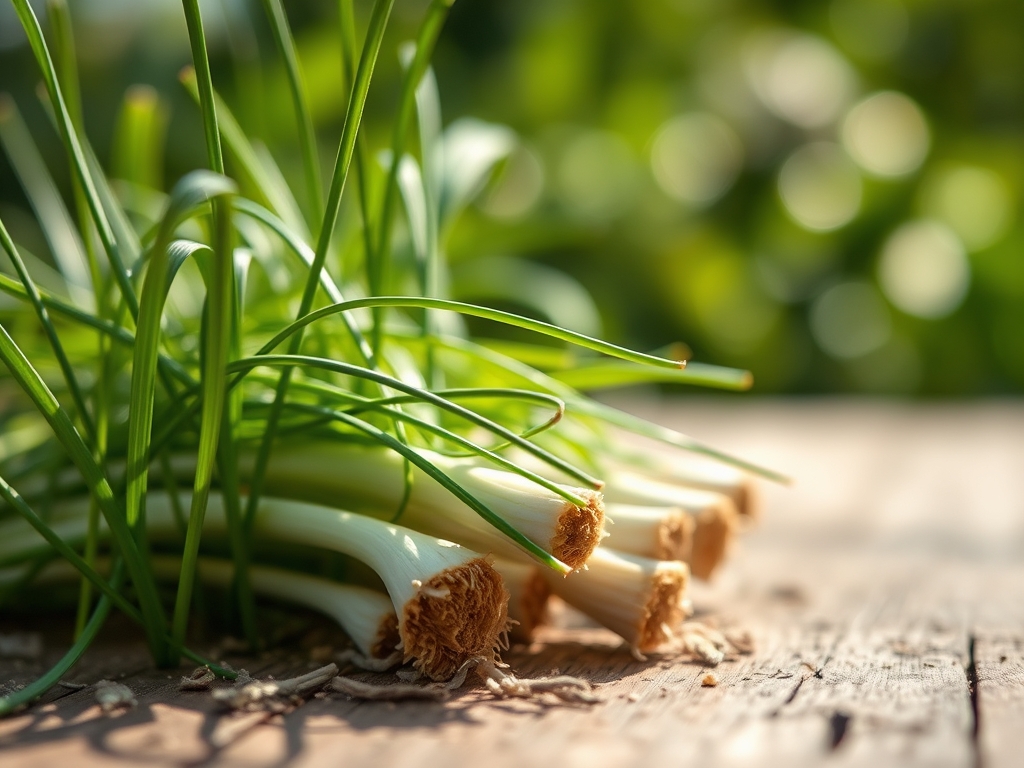
5 Pro Tips How to Grow Leek Plants
The scent of cold, damp silt mixed with the sulfurous bite of crushed Allium foliage defines the early spring garden. Achieving the necessary turgor in a leek leaf requires a deep understanding of cellular hydration and nitrogen uptake. To master how to grow leek plants, a grower must look past the surface foliage and focus on the subterranean development of the shank. Success depends on maintaining a consistent growth rate to prevent the woody texture associated with thermal stress or moisture fluctuations.
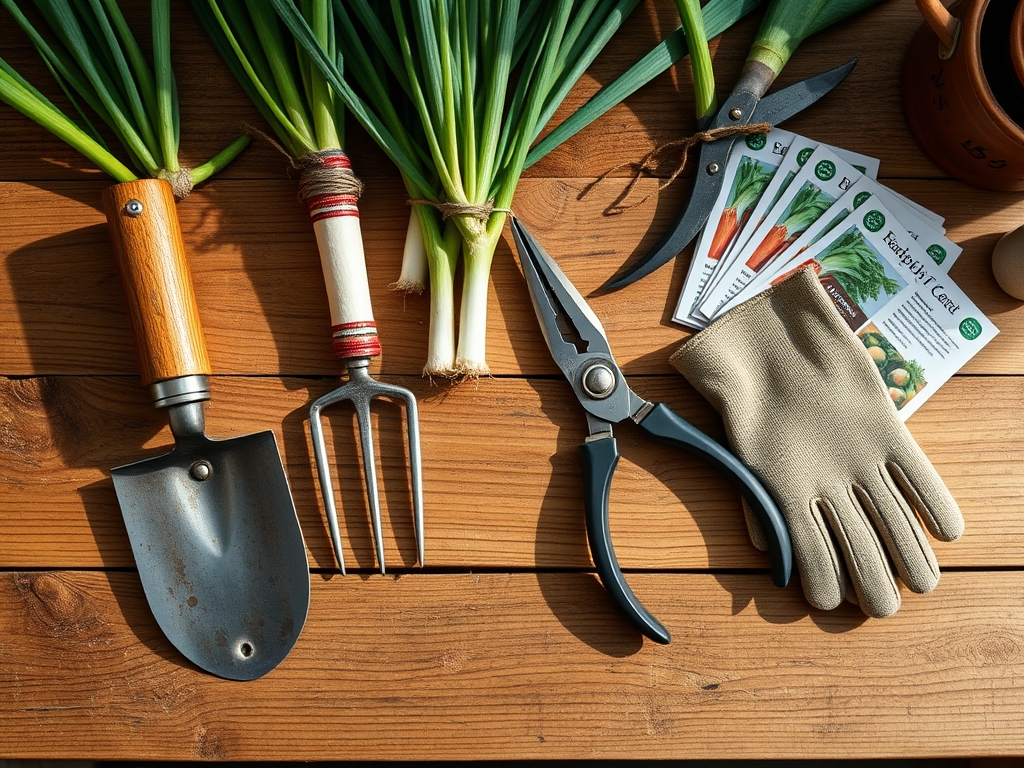
Materials:
Leeks require a friable loam with a high percentage of organic matter to facilitate vertical expansion. The ideal soil pH sits between 6.2 and 6.8; values outside this range inhibit the availability of phosphorus and magnesium. Before planting, incorporate a balanced 10-10-10 NPK fertilizer into the top six inches of the substrate. This ensures a baseline of macronutrients for early root development.
The Cation Exchange Capacity (CEC) of your soil should be high to retain essential ions like potassium (K+) and calcium (Ca2+). If working with sandy soils, add well-composted manure to increase the surface area for nutrient bonding. A soil moisture meter is an essential tool to ensure the rhizosphere remains consistently hydrated without reaching anaerobic saturation.
Timing:
Leeks are biennial plants typically grown as annuals, functioning within a specific biological clock governed by the photoperiod. Most cultivars are adapted for Hardiness Zones 3 through 9. In colder climates, seeds must be started indoors 10 to 12 weeks before the last frost to ensure the plants reach a diameter of 0.25 inches before transplanting.
The transition from the vegetative stage to the reproductive stage (bolting) is triggered by vernalization. If young plants are exposed to temperatures below 40 degrees Fahrenheit for an extended period, they may prematurely produce a seed stalk. This renders the edible shank tough and unpalatable. Monitor local weather data to ensure transplanting occurs when soil temperatures have stabilized above 45 degrees Fahrenheit.
Phases:

Sowing
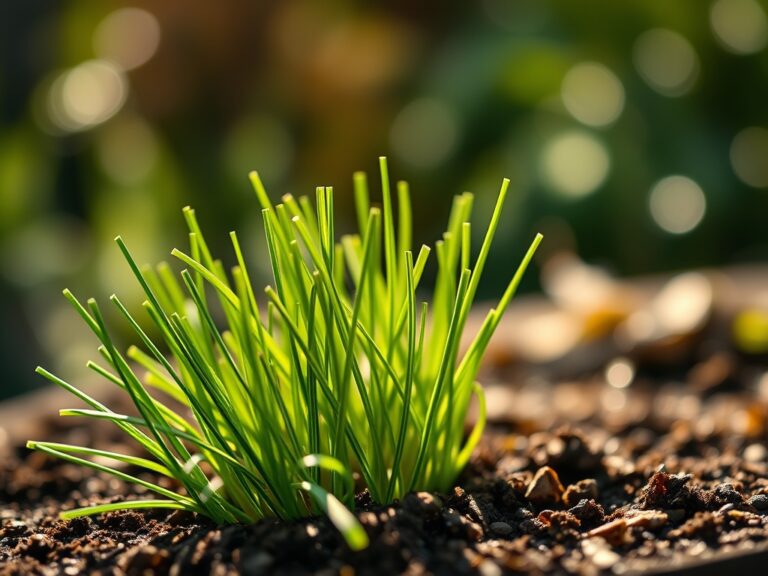
Start seeds in flats using a sterile, peat-based starting mix. Sow seeds at a depth of 0.25 inches. Maintain a constant temperature of 65 to 70 degrees Fahrenheit for optimal germination. Once the seedlings reach three inches in height, trim the tops to two inches.
Pro-Tip: Trimming the tops redirects auxins from the apical meristem down to the root system. This biological redirection encourages a robust root architecture, which is critical for nutrient uptake after transplanting.
Transplanting
Prepare a trench 6 to 8 inches deep. Space plants 6 inches apart within the row. Place each seedling in a hole made by a dibber, but do not pack the soil tightly around the stem. Simply water them in; the silt will naturally settle around the roots.
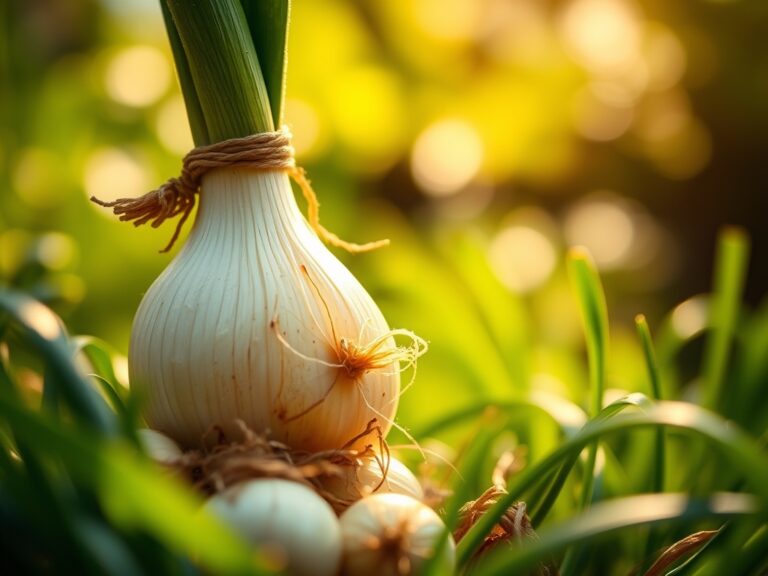
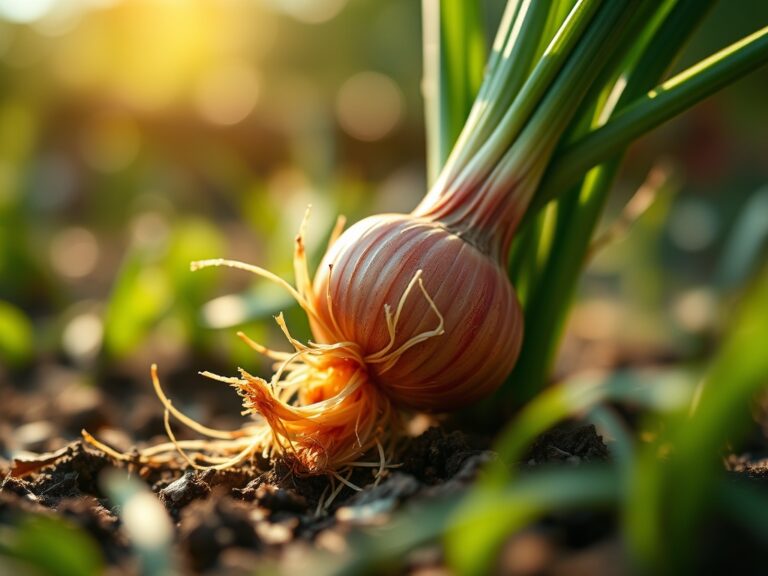
Pro-Tip: This "deep-hole" method utilizes etiolation, the process of growing a plant in partial or total absence of light. By burying the lower portion of the stem, you prevent chlorophyll development in the shank, resulting in the desired long, white, tender tissue.
Establishing
As the plants grow, gradually fill the trench with soil or mulch. This process, known as hilling, must be done carefully to avoid getting grit between the leaf sheaths. Maintain a steady supply of nitrogen during this phase to support rapid leaf expansion.
Pro-Tip: Leeks benefit from mycorrhizal symbiosis. Inoculating the soil with Arbuscular Mycorrhizal Fungi (AMF) increases the effective surface area of the root system. This allows the plant to access phosphorus that is otherwise chemically bound in the soil matrix.
The Clinic:
Physiological disorders in leeks often stem from environmental imbalances rather than pathogens.
- Nitrogen Chlorosis:
Symptom: Older leaves turn pale yellow or light green while the rest of the plant remains stunted.
Solution: Apply a high-nitrogen liquid fertilizer, such as fish emulsion, to the rhizosphere. Nitrogen is mobile within the plant, so the leek will pull it from older tissue to support new growth if levels are low.
- Tip Burn:
Symptom: Necrosis at the distal ends of the leaves.
Solution: This is often a calcium transport issue caused by inconsistent watering. Maintain 1.5 inches of water per week to ensure a steady transpiration stream, which carries calcium to the leaf tips.
- Bolting:
Symptom: A central, hard flower stalk emerges from the middle of the plant.
Solution: Harvest immediately. Bolting is a response to cold stress or day-length changes. There is no "fix" once the plant enters the reproductive phase; prevention through proper timing is the only strategy.
- Soft Rot:
Symptom: Mushy, foul-smelling tissue at the base of the plant.
Solution: Improve drainage and reduce irrigation frequency. This condition occurs in anaerobic, waterlogged soils where gas exchange is restricted.
Maintenance:
Precision is the hallmark of a professional grower. Use a soil moisture meter to verify that the top 4 inches of soil remain moist but not saturated. Leeks require approximately 1.5 inches of water per week delivered at the drip line. Overhead watering should be avoided to prevent moisture from accumulating in the leaf axils, which can lead to fungal issues.
Use a hori-hori knife for weeding around the base of the plants. The serrated edge allows for deep vertical cuts to sever the roots of invasive grasses without disturbing the shallow lateral roots of the leek. If the outer leaves show signs of senescence (natural yellowing and aging), remove them with bypass pruners to improve airflow around the shank.
The Yield:
Harvesting begins when the shanks reach a diameter of 1 to 2 inches, depending on the variety. Do not pull the plants by hand; this can snap the shank. Instead, use a garden fork to loosen the soil beneath the root plate and lift the entire plant upward.
Post-harvest handling is critical for maintaining cell turgidity. Immediately trim the roots to 0.5 inches and cut the dark green flags back by half. Wash the shanks in cold water to remove soil particles and store them at 32 degrees Fahrenheit with 95 percent relative humidity. Under these conditions, leeks will maintain "day-one" freshness for up to eight weeks.
FAQ:
How long does it take to grow leeks from seed?
Most varieties require 120 to 150 days from sowing to reach maturity. This includes a 10-week indoor nursery phase and a subsequent 12 to 14 weeks in the field after transplanting.
Why are my leeks so thin?
Thin shanks usually indicate nitrogen deficiency or excessive plant density. Ensure plants are spaced 6 inches apart and provide a high-nitrogen side-dressing every three weeks during the primary vegetative growth phase.
Can leeks survive a hard frost?
Yes. Many "winter" cultivars can withstand temperatures as low as 10 degrees Fahrenheit. The sugar concentration in the cells acts as a natural antifreeze, protecting the plant from ice crystal formation during the winter months.
Do I need to prune leek leaves?
Trimming the top third of the leaves during the seedling stage and at transplanting helps manage transpiration rates. It prevents the young plant from losing more water than the developing root system can provide.
What is the best fertilizer for leeks?
A fertilizer with an NPK ratio of 10-10-10 provides a balanced start. As the plant establishes, transitioning to a nitrogen-heavy supplement supports the rapid leaf production necessary for a thick, succulent shank.