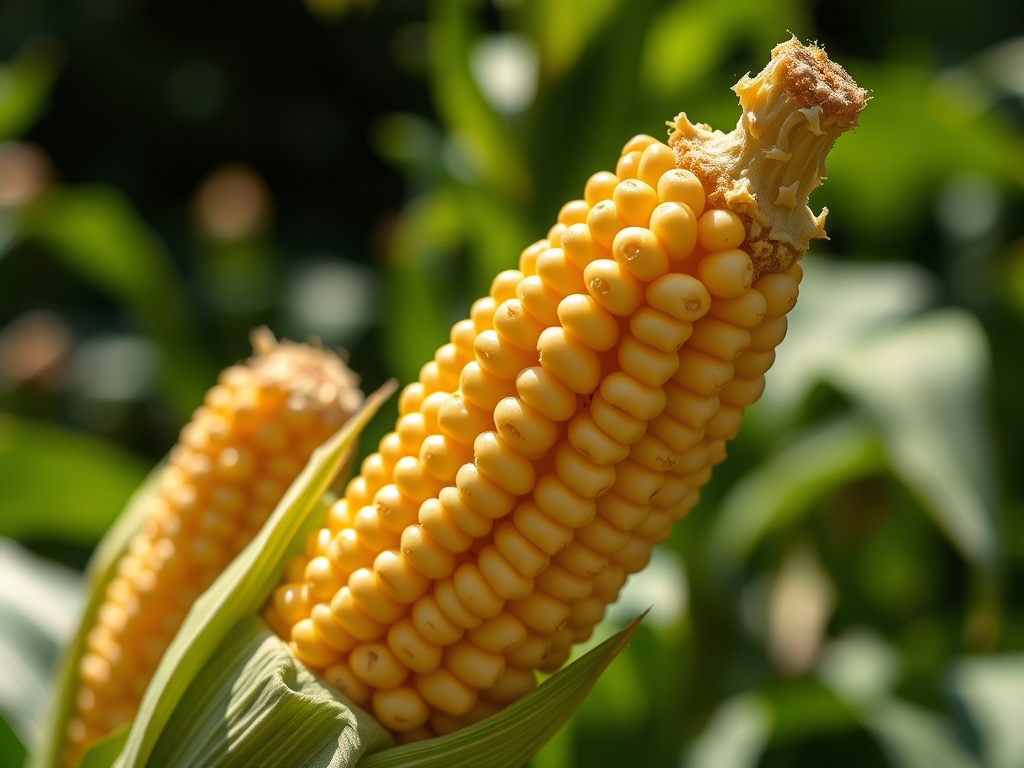
10 Easy Ways How to Grow Popcorn Corn
The smell of damp, anaerobic earth signifies a substrate ready for the high metabolic demands of Zea mays everta. Success in learning how to grow popcorn corn requires more than casual observation; it demands an understanding of cellular turgor and the precise nitrogen cycles that drive stalk elongation. Popcorn differs from sweet corn in its dense, starchy endosperm and thick pericarp. This structural integrity is what allows internal moisture to build pressure until the hull ruptures.
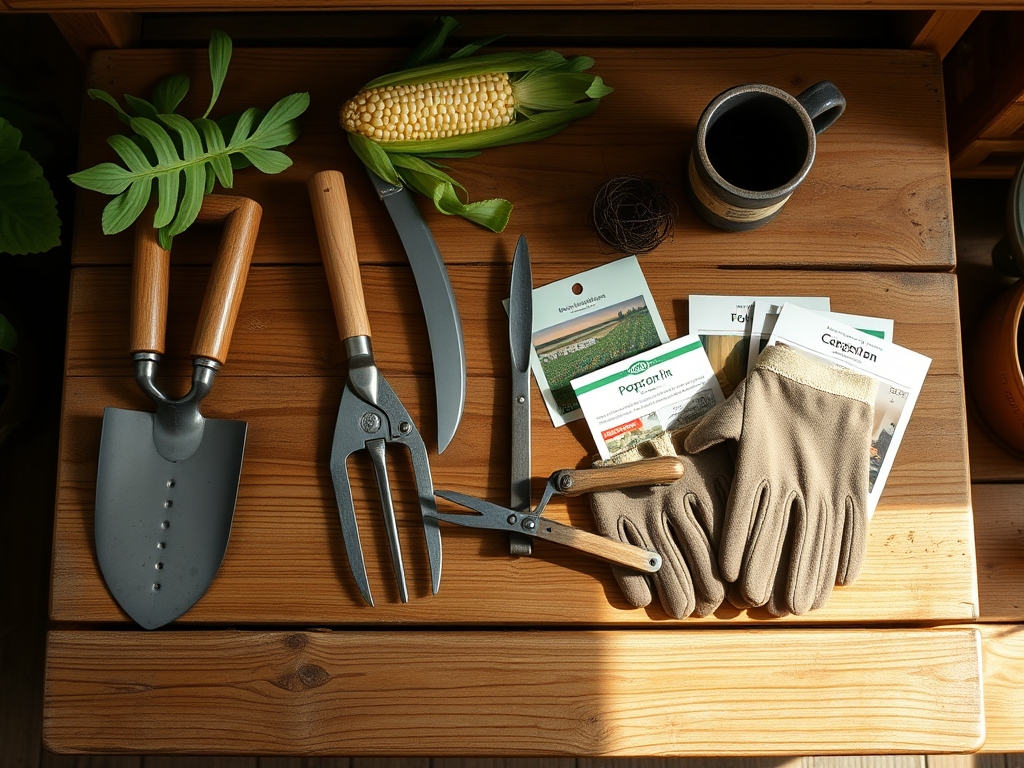
Materials:
The ideal substrate for popcorn is a friable loam with a high Cation Exchange Capacity (CEC) to ensure nutrient availability. You must maintain a soil pH between 6.0 and 6.8. If your pH falls below 5.8, phosphorus becomes chemically locked and unavailable to the rhizosphere.
Before sowing, incorporate a balanced 10-10-10 NPK fertilizer into the top six inches of soil. Popcorn is a heavy feeder that requires approximately 2 pounds of actual nitrogen per 1,000 square feet. The physical texture of the soil should be crumbly; if it forms a hard ball when squeezed, the clay content is too high, which will impede root penetration and oxygen exchange. Ensure the site has full solar exposure to maximize photosynthetic rates.
Timing:
Popcorn requires a long growing season, typically 90 to 120 days depending on the cultivar. It is best suited for Hardiness Zones 3 through 11, though northern gardeners must select short-season varieties like 'Tom Thumb.' Do not plant until the soil temperature reaches a consistent 60 degrees Fahrenheit (15.5 Celsius) at a four-inch depth.
The biological clock of the plant moves from the Vegetative (V) stages to the Reproductive (R) stages based on Growing Degree Days (GDD). The transition to the reproductive phase is marked by the emergence of tassels. If the plant experiences significant drought stress during the V12 to V15 stages, the number of potential kernels per ear is permanently reduced. Precise timing ensures the silking stage avoids the peak heat of mid-summer, which can desiccate pollen grains and lead to poor ear fill.
Phases:

Sowing
Direct sow seeds 1 to 1.5 inches deep. Space seeds 8 to 12 inches apart within rows, with rows spaced 30 to 36 inches apart. To ensure successful wind pollination, plant in blocks of at least four rows rather than a single long row.
Pro-Tip: Pre-soak seeds for 12 hours to accelerate imbibition, the process where the seed absorbs water to trigger metabolic activity. This reduces the time the seed spends in the soil vulnerable to pathogens before germination.
Establishing
Once seedlings reach 6 inches in height, apply a side-dressing of high-nitrogen fertilizer, such as urea or ammonium sulfate. This supports the rapid cell division occurring in the apical meristem. Monitor the soil moisture daily using a soil moisture meter to ensure the root zone remains hydrated but not saturated.
Pro-Tip: Avoid deep cultivation near the base of the plants to protect adventitious roots (brace roots). These roots provide structural stability and increase the surface area for nutrient uptake in the upper soil profile.
Pollination and Development
As the plant enters the R1 stage, silks emerge from the ear shoots. Each silk is connected to a single ovule; for a full ear of popcorn, every silk must receive a pollen grain. Wind carries pollen from the tassels to the silks. Maintain consistent moisture during this window to prevent silk desiccation.
Pro-Tip: Avoid planting different corn types (like sweet corn or flint corn) within 250 feet of your popcorn. Cross-pollination will alter the starch composition of the kernels, ruining the "pop" quality of the harvest.
The Clinic:
Symptom: Yellowing of lower leaves starting at the leaf tip and moving down the midrib.
Solution: This indicates Nitrogen Chlorosis. Apply a fast-acting nitrate-based fertilizer immediately to restore chlorophyll production.
Symptom: Purpling of leaves and stems in young plants.
Solution: This is typically a Phosphorus Deficiency, often caused by cold soil temperatures slowing root metabolism. Ensure soil temperatures are above 60 degrees Fahrenheit or apply a starter fertilizer high in P.
Symptom: Distorted, twisted leaves (Buggy-whipping).
Solution: This is often a sign of Calcium Deficiency or herbicide drift. Check soil pH; if it is too acidic, calcium uptake is inhibited.
Fix-It Section: If you notice stunted growth and interveinal chlorosis on new leaves, you likely have a Zinc deficiency. Apply a chelated zinc foliar spray to bypass soil binding issues.
Maintenance:
Precision irrigation is mandatory for high-quality popcorn. Provide 1.5 inches of water per week at the drip line. Use a hori-hori knife to remove competitive weeds without disturbing the shallow corn roots. For any necessary thinning or removal of diseased foliage, use sharp bypass pruners to make clean cuts that callus quickly.
Mulching with organic matter can help regulate soil temperature and reduce evaporation. However, do not allow mulch to touch the stalk, as this can create a microclimate conducive to fungal pathogens. Monitor for the presence of the European Corn Borer; if stalks show small entry holes and sawdust-like frass, the vascular system is being compromised.
The Yield:
Harvest popcorn only after the plant has reached full senescence. The stalks should be brown, and the husks should be dry and papery. The kernels must reach a moisture content of approximately 14 to 16 percent for optimal popping. If harvested too early, the high moisture will cause the kernels to rot or mold during storage.
To harvest, twist the ears downward and snap them from the stalk. Remove the husks and place the ears in a mesh bag. Hang the bags in a warm, well-ventilated area for two to three weeks. To test readiness, shell a few kernels and attempt to pop them. If they are chewy or jagged when popped, they require more drying time. Once the ideal moisture level is reached, shell the remaining ears and store the kernels in airtight glass jars to maintain internal pressure integrity.
FAQ:
Why did my popcorn fail to pop?
The most common cause is improper moisture content. If kernels are too dry, they lack the steam pressure to explode. If too wet, the starch remains gummy. Aim for 13.5% to 14.5% moisture for a vigorous pop.
Can I plant popcorn next to my sweet corn?
No. Corn is wind-pollinated and crosses easily. Cross-pollination between sweet corn and popcorn results in starchy, tasteless sweet corn and popcorn that fails to pop correctly. Maintain a distance of at least 250 feet.
How much sun does popcorn need?
Popcorn requires full sun, meaning at least 8 to 10 hours of direct sunlight daily. Shaded plants produce weak stalks and small ears with poor kernel development due to reduced photosynthetic energy.
What is the best fertilizer for popcorn?
Use a high-nitrogen blend like 21-0-0 for side-dressing during the vegetative stage. Initially, a balanced 10-10-10 ensures the soil has sufficient phosphorus and potassium for root development and stalk strength.
When should I stop watering popcorn?
Reduce irrigation once the kernels reach the dent stage and the husks begin to lose their green color. This encourages the plant to move sugars into the kernels and begin the natural drying process necessary for harvest.